
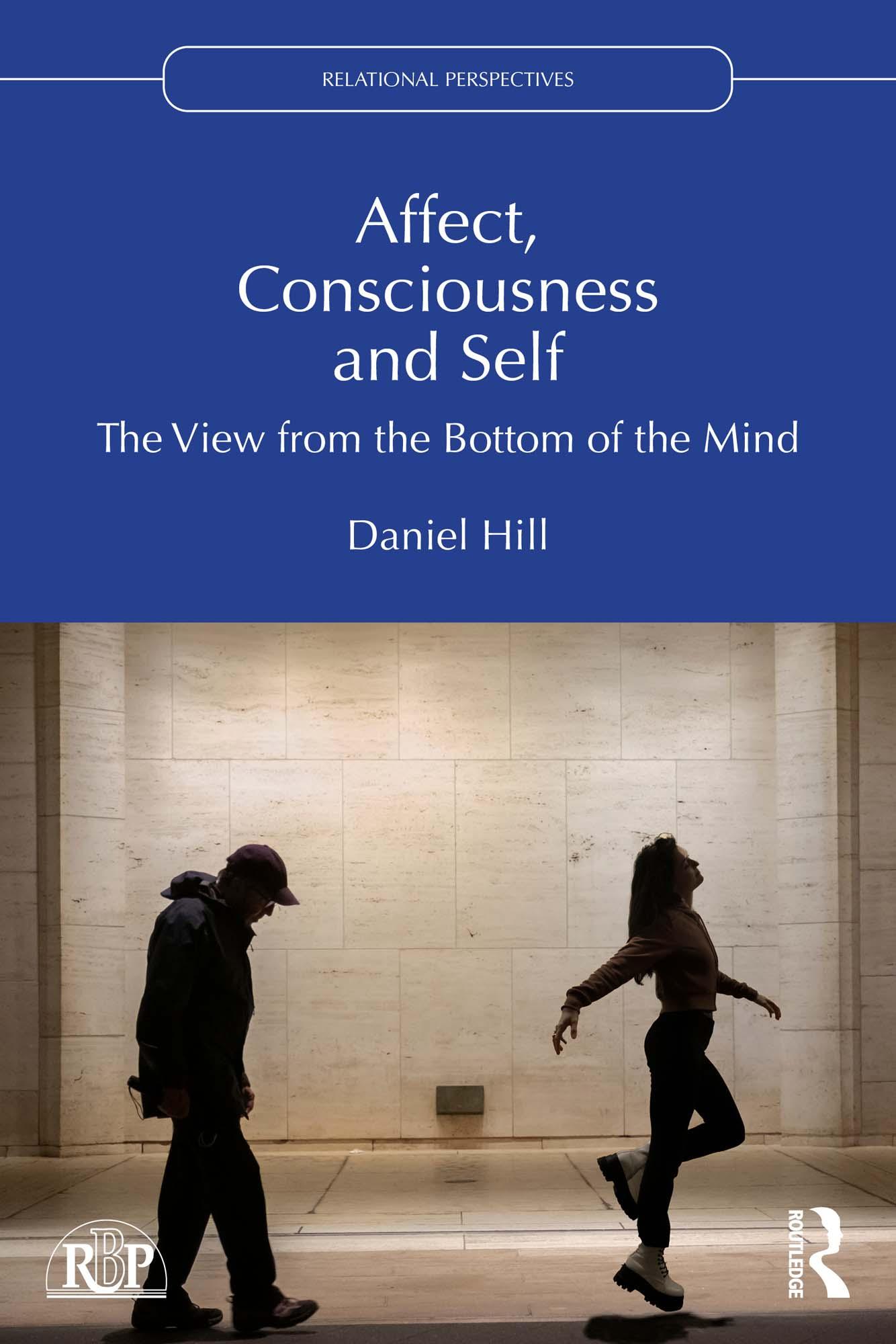
This book argues that mental life is organized by and around affect. It proposes a clinical model for understanding how affect influences states of consciousness and self. It illustrates how, from moment to moment, affect determines the world we know, how we are disposed to being in it, and our capacity to function in it.
After introducing consciousness and self as features of mind that have posed daunting problems for philosophy, neurology, and psychoanalysis, subsequent chapters propose a model for understanding them at the clinical level. Initial chapters are devoted to the influence of affect on the structure and dynamics of normal waking consciousness and on the self’s capacity to act agentically, to relate intersubjectively, and to develop itself. Final chapters discuss disordered states of consciousness and impeded self‑functioning, due to affect dysregulation and what all this looks like in patients with preoccupied and avoidant attachment patterns.
Drawing on psychoanalysis, attachment theory, interpersonal and affective neurobiology, and traumatology, this book offers a fresh perspective on the importance of affect for psychoanalysts and psychodynamic psychotherapists.
Betaal eenvoudig met kaart, Klarna, Apple Pay of Google Pay. Niet tevreden? Je hebt altijd 14 dagen bedenktijd. Lees meer in onze voorwaarden. Heb je vragen, mail ons dan via hello@memmo.org.
Memmo maakt studeren makkelijker – waar je ook bent ter wereld. Wij brengen je cursusboeken en slimme studietools samen op één plek: samenvattingen, quizzen, podcasts en flashcards. En Ted, je studievriend die antwoord geeft op alles wat je je afvraagt. Meer dan 50.000 studenten studeren hier al – gebouwd om je sneller te laten leren en minder stress te geven.