
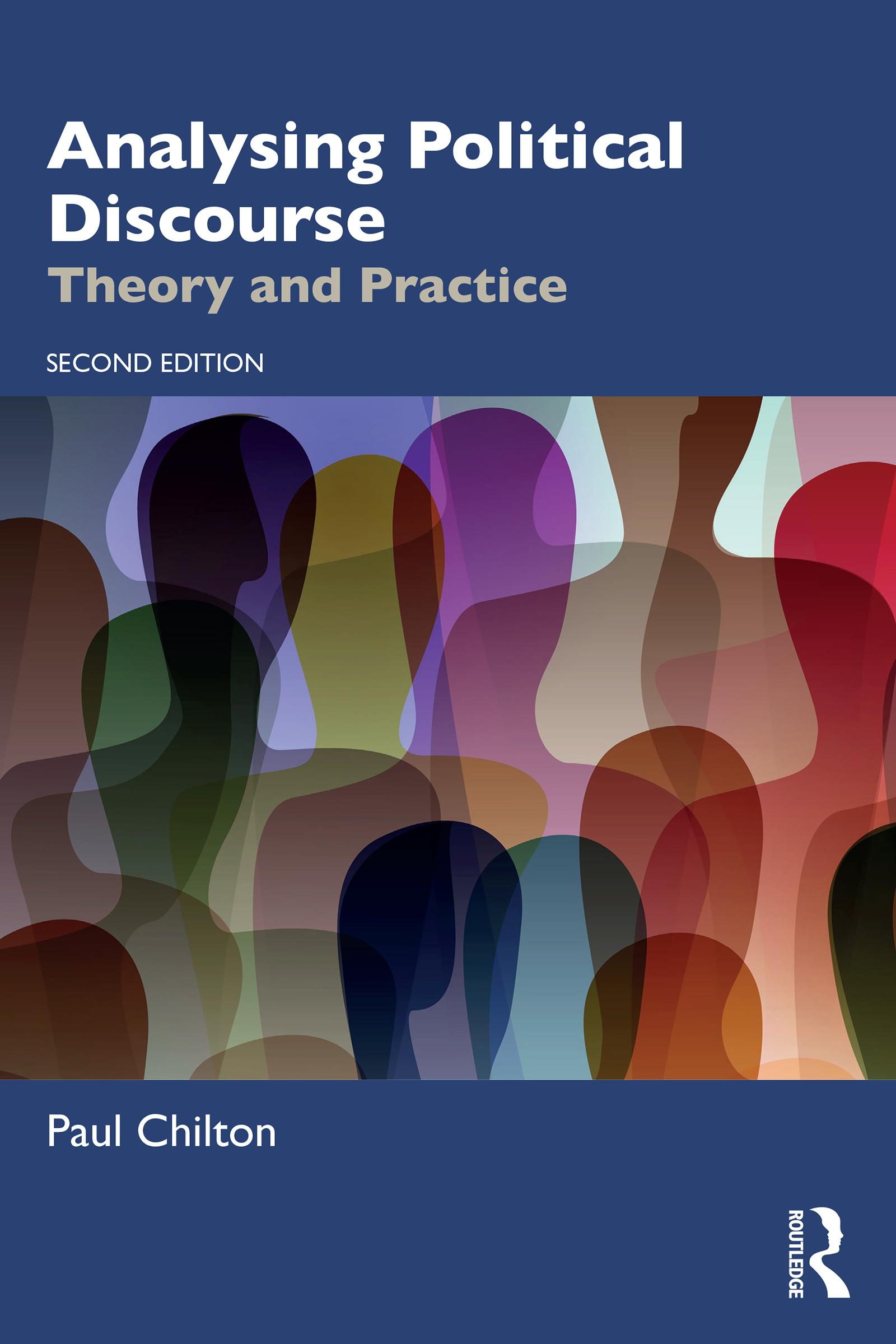
In today’s world, analysing political language is more important than ever. This revised edition, while retaining the historically significant case studies, adds new analyses that reflect the 2010s and 2020s. It retains the original analytical tools, including the discourse space model, and in a fresh chapter advocates development of tools from neuroscience.
The book begins by exploring some fundamental questions concerning the relationship between language and politics, putting forward the idea that society, language and politics are closely intertwined. There cannot be any politics, as we know it, without language. The following chapters focus on key aspects of language in relation to political institutions, practices and ideologies: the interaction between speakers and hearers, the projection of different world-views, and the arousal of political emotions. The final chapters are devoted to historical examples of perennial political issues: racism, international conflict and the role of religion.
Written in a lively and engaging style with summaries and further reading to aid learning, this book provides an essential introduction to political discourse analysis for students of language, communication, politics sociology, international relations and applied linguistics.
Betaal eenvoudig met kaart, Klarna, Apple Pay of Google Pay. Niet tevreden? Je hebt altijd 14 dagen bedenktijd. Lees meer in onze voorwaarden. Heb je vragen, mail ons dan via hello@memmo.org.
Memmo maakt studeren makkelijker – waar je ook bent ter wereld. Wij brengen je cursusboeken en slimme studietools samen op één plek: samenvattingen, quizzen, podcasts en flashcards. En Ted, je studievriend die antwoord geeft op alles wat je je afvraagt. Meer dan 50.000 studenten studeren hier al – gebouwd om je sneller te laten leren en minder stress te geven.