
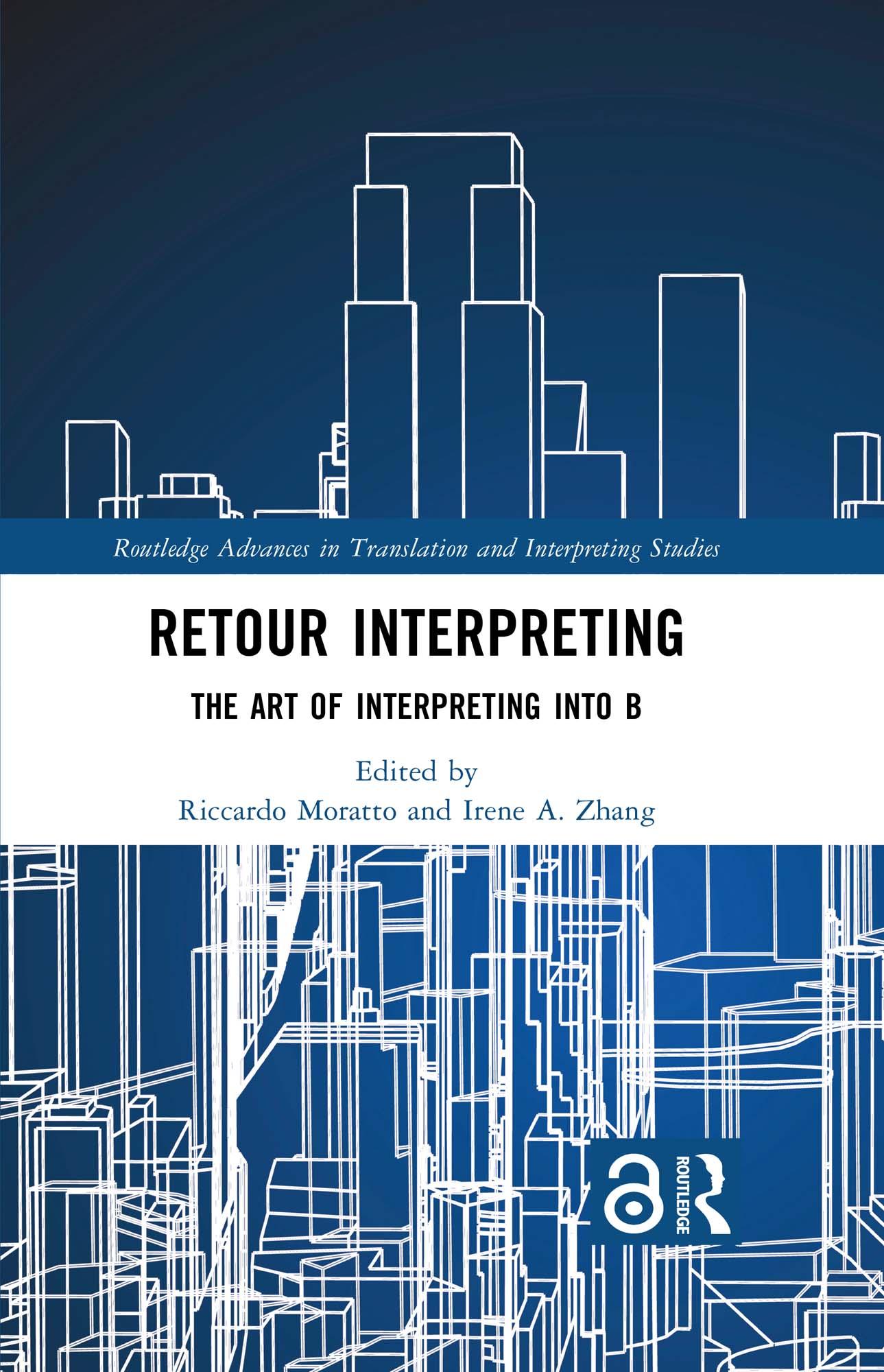
This book is a vital addition to the interpreting field, focusing on retour interpreting—interpreting from one’s native language (A) into a second language (B). This practice, once viewed as secondary, has become indispensable in today’s multilingual and multicultural contexts.
As interpreters increasingly handle diverse language pairs and rising standards for bilingual communication, retour interpreting plays a critical role in bridging linguistic gaps. This book features contributions from leading experts who explore retour interpreting from theoretical, pedagogical, and practical perspectives. It examines the linguistic and cognitive challenges unique to interpreting into a non-native language, while also addressing the complex factors influencing effective B-language output. By highlighting the growing need for skilled retour interpreters, especially in multilingual institutions and post-colonial settings where former colonial languages often dominate, this book aligns itself with current professional demands. With eleven chapters, the book provides comprehensive insights into retour interpreting across different languages, contexts, and career stages.
It is an essential resource for interpreters, trainers, and researchers, offering practical strategies and critical perspectives. By addressing a historically underexplored area, this work fills a significant gap, reinforcing the importance of retour interpreting in today's globalized world.
Betaal eenvoudig met kaart, Klarna, Apple Pay of Google Pay. Niet tevreden? Je hebt altijd 14 dagen bedenktijd. Lees meer in onze voorwaarden. Heb je vragen, mail ons dan via hello@memmo.org.
Memmo maakt studeren makkelijker – waar je ook bent ter wereld. Wij brengen je cursusboeken en slimme studietools samen op één plek: samenvattingen, quizzen, podcasts en flashcards. En Ted, je studievriend die antwoord geeft op alles wat je je afvraagt. Meer dan 50.000 studenten studeren hier al – gebouwd om je sneller te laten leren en minder stress te geven.