
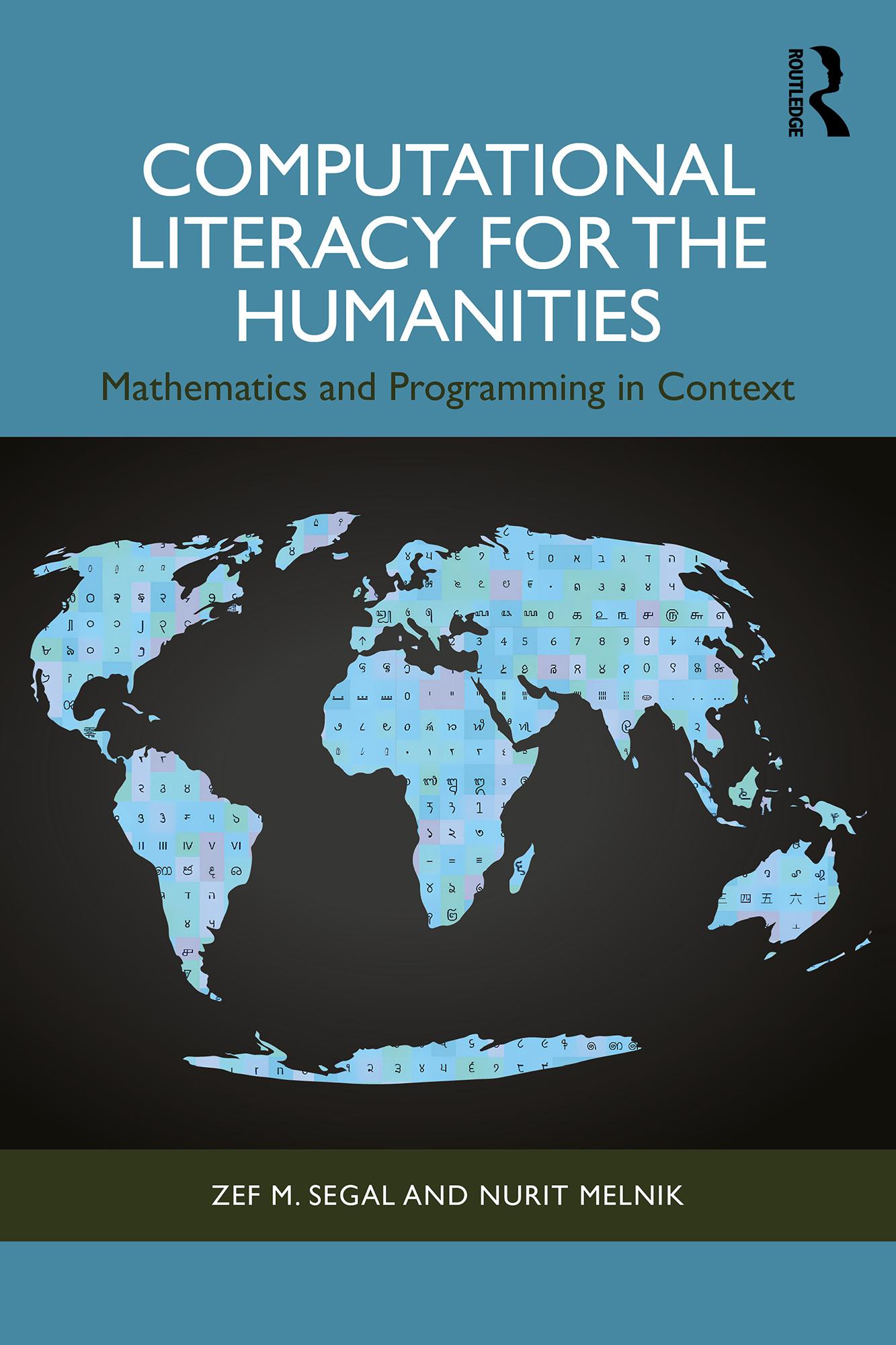
Computational Literacy for the Humanities provides an introduction to mathematics and programming that is specifically designed for use by those engaged in the humanities. Linking mathematical concepts and computational skills, the chapters in this book explore humanistic questions from diverse fields, such as art, history and literature.
The book helps to advance computational and digital literacy by showing that each mathematical concept has a history, and each technique has a meaning. Rather than viewing mathematics and computer programming as purely instrumental, they are integrated into the process of achieving greater understanding of humanistic phenomena. Algorithms, data, statistics and networks are taught critically within the book, whilst the authors also make a concerted effort to expose the internal biases of these tools. They also demonstrate the applicability of quantification and computation for the promotion of diversification and inclusivity within the humanities. All exercises are designed as an opportunity to gain hands-on mathematical and computational experience, whilst critically exploring and interpreting humanistic phenomena.
Computational Literacy for the Humanities shows readers how to engage with data in a way that is challenging, yet meaningful and empowering. It will be of interest to scholars and students working across the humanities and should be of particular interest to those working in digital humanities.
Betaal eenvoudig met kaart, Klarna, Apple Pay of Google Pay. Niet tevreden? Je hebt altijd 14 dagen bedenktijd. Lees meer in onze voorwaarden. Heb je vragen, mail ons dan via hello@memmo.org.
Memmo maakt studeren makkelijker – waar je ook bent ter wereld. Wij brengen je cursusboeken en slimme studietools samen op één plek: samenvattingen, quizzen, podcasts en flashcards. En Ted, je studievriend die antwoord geeft op alles wat je je afvraagt. Meer dan 50.000 studenten studeren hier al – gebouwd om je sneller te laten leren en minder stress te geven.