
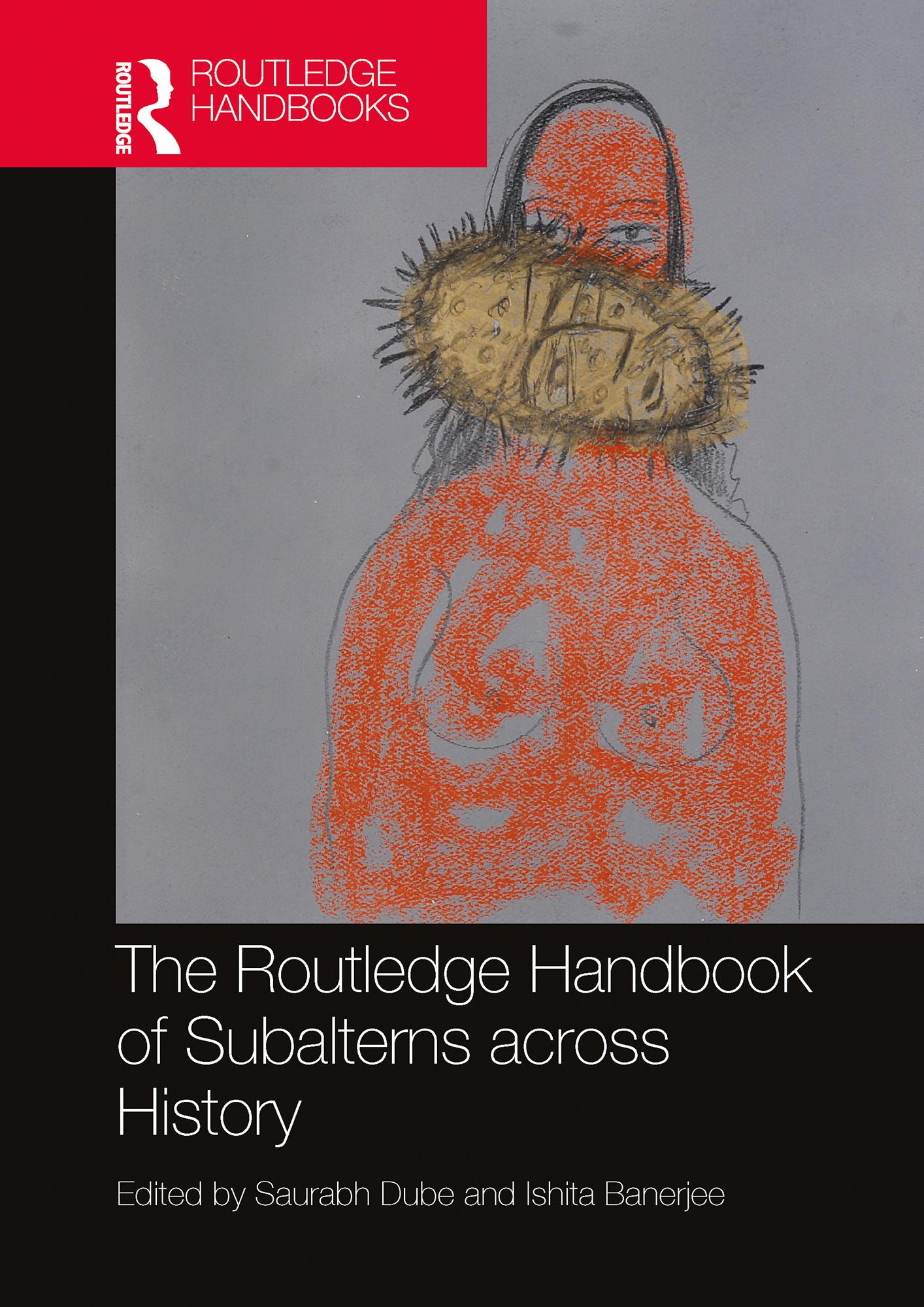
Subaltern Studies has marked both a major departure in South Asian studies and indexed broader shifts in the critical humanities and social sciences. This volume explores what it means today to set to work studies of subaltern subjects in our rapidly mutating social worlds.
This handbook spans diverse historical, ethnographic, and geopolitical spaces, drawing in the Antipodes and the Americas, Diasporas and Oceanic worlds, Africa and the Middle East, apart from Europe and many South Asias – overlapping arenas in which the “subaltern” continues to find distinct yet substantive articulations. It also seeks to meaningfully juxtapose practices and processes of gender and race; indigeneity and indenture; age and sexuality; slavery and apartheid; the Adivasi and the Dalit; settler-colonialisms and nations; nature and environment; caste and tribe; diaspora and blackness; capital and property; science and technology; media and cinema; the body and dance; heteronormativity and queerness; state and governance; and politics and justice. In these ways, the study un-frames disciplinary boundaries and maps emergent terrains, exactly articulating pressing subjects and rethinking distinct subalternities.
This book is aimed at researchers, scholars, and advanced undergraduate and graduate students in the critical human sciences, especially history, anthropology, social theory, and cultural, gender, and literary studies.
Betaal eenvoudig met kaart, Klarna, Apple Pay of Google Pay. Niet tevreden? Je hebt altijd 14 dagen bedenktijd. Lees meer in onze voorwaarden. Heb je vragen, mail ons dan via hello@memmo.org.
Memmo maakt studeren makkelijker – waar je ook bent ter wereld. Wij brengen je cursusboeken en slimme studietools samen op één plek: samenvattingen, quizzen, podcasts en flashcards. En Ted, je studievriend die antwoord geeft op alles wat je je afvraagt. Meer dan 50.000 studenten studeren hier al – gebouwd om je sneller te laten leren en minder stress te geven.