
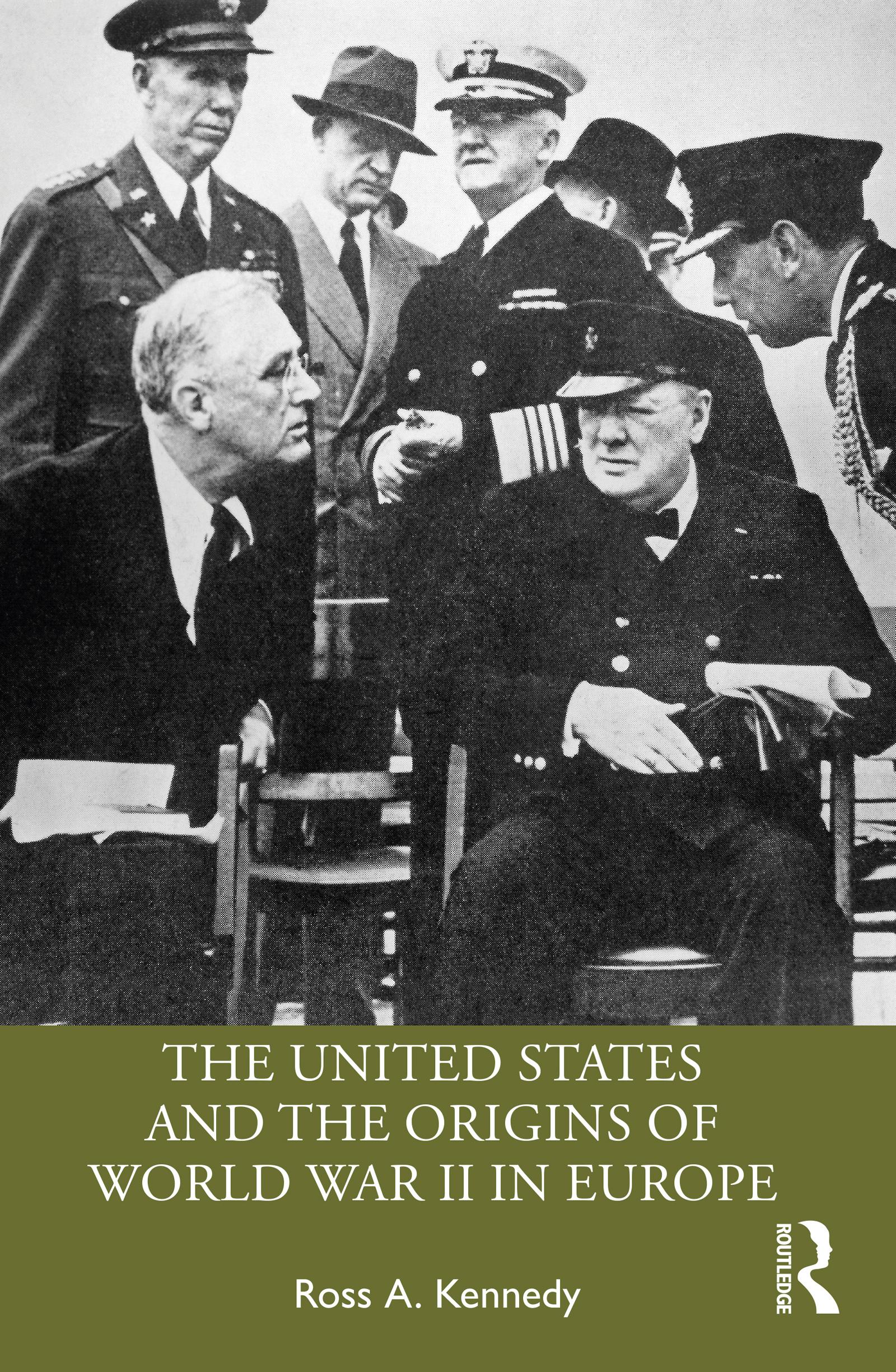
This volume spans 1914–1939 to provide a concise interpretation of the role the United States played in the origins of the Second World War. It synthesizes recent scholarship about interwar international politics while also presenting an original interpretation of the sources of American policy.
The book shows how the drive for international reform, beginning with Woodrow Wilson, reflected both America’s unusual power and its fears about maintaining its domestic freedoms in a world dominated by arms races and the threat of war. The American desire to reform or to escape from the existing international system reshaped Europe’s balance of power from 1914 to 1929, leaving it precarious and unlikely to produce lasting stability. America’s power continued to loom globally in the 1930s, as first its isolationism and, after 1938, its open hostility toward Germany and Japan influenced the policies of the West and of Hitler. The coda at the end of the volume analyzes how the United States affected the strategic choices made by Great Britain, Nazi Germany, and Japan from 1939 to 1941 that globalized the conflict.
This book will appeal to undergraduate and graduate students in history and political science, especially courses focused on World War II and the history of U.S. foreign relations.
Betaal eenvoudig met kaart, Klarna, Apple Pay of Google Pay. Niet tevreden? Je hebt altijd 14 dagen bedenktijd. Lees meer in onze voorwaarden. Heb je vragen, mail ons dan via hello@memmo.org.
Memmo maakt studeren makkelijker – waar je ook bent ter wereld. Wij brengen je cursusboeken en slimme studietools samen op één plek: samenvattingen, quizzen, podcasts en flashcards. En Ted, je studievriend die antwoord geeft op alles wat je je afvraagt. Meer dan 50.000 studenten studeren hier al – gebouwd om je sneller te laten leren en minder stress te geven.