
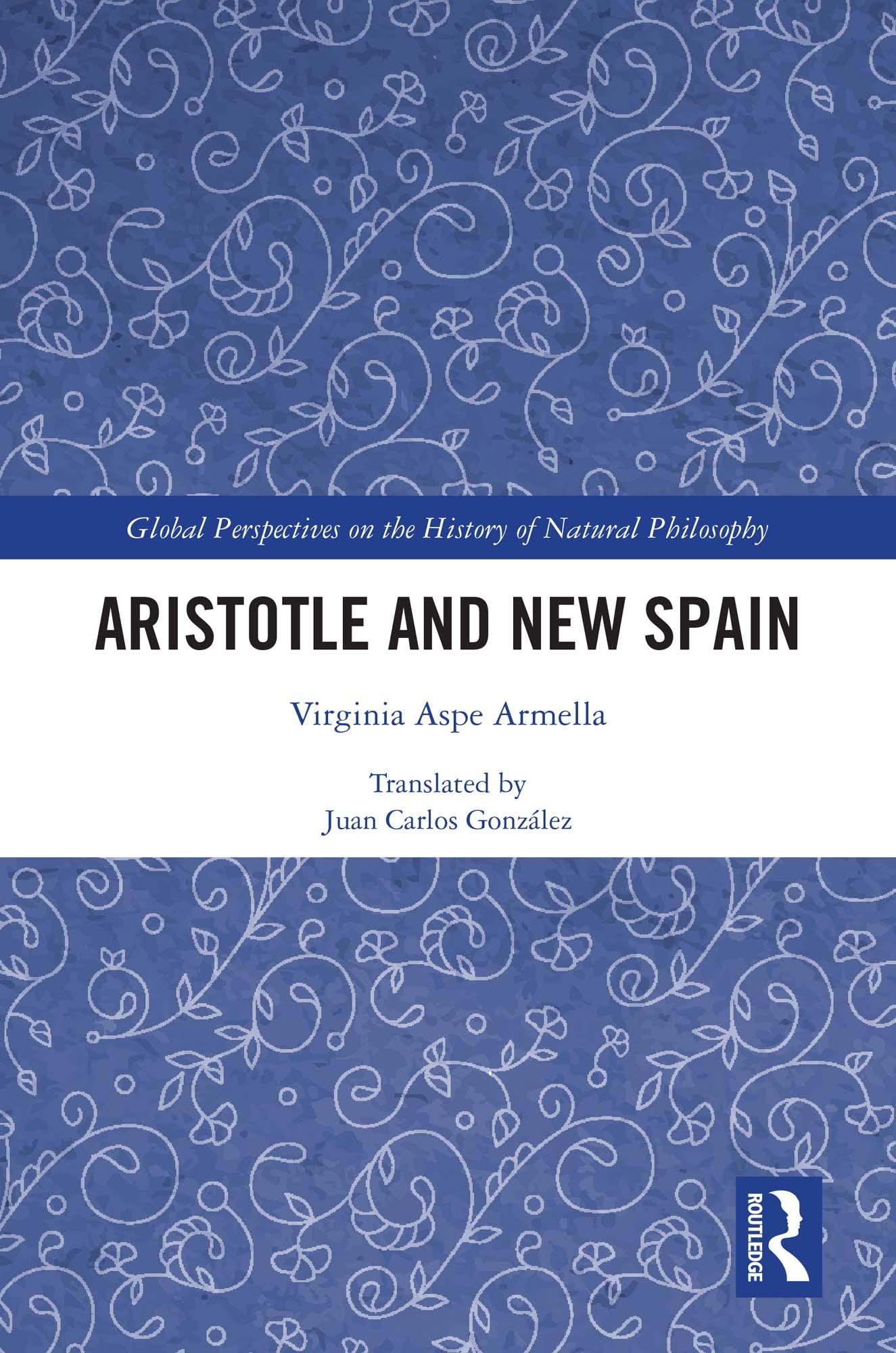
This book is a detailed exploration of the Hispanic intellectual context and the different Aristotelian traditions that prevailed until the 16th century. Through a review and contextualisation of Aristotelian thinkers and texts, it argues that a unique Aristotelian tradition was formed in New Spain.
The characteristic differences of Novohispanic Aristotelianism are a consequence of five factors: contact with the autochthonous cultures of America, the impact of the colonial organisation, the influence of the Salamanca humanist tradition, the presence of the Italian Aristotelianism of Renaissance translators in the university curricula and in the intellectual polemics of the time, and a peculiar assimilation of primitive and Old Testament Christianity in relation to indigenous people. This book analyses the works of Alonso de la Veracruz, Bartolomé de las Casas, Bernardino de Sahagún, Sor Juana Inés de la Cruz, Carlos de Sigüenza y Góngora, and Francisco Xavier Clavijero, reconsidering them in light of the history of ideas in New Spain and the contributions of Byzantine translators. It also offers a reflection on the problem of addressing Mexican colonial sources.
This volume will be of interest to undergraduate and postgraduate philosophy students, as well as to researchers focused on Aristotle, Renaissance philosophy, or Latin American studies.
Betaal eenvoudig met kaart, Klarna, Apple Pay of Google Pay. Niet tevreden? Je hebt altijd 14 dagen bedenktijd. Lees meer in onze voorwaarden. Heb je vragen, mail ons dan via hello@memmo.org.
Memmo maakt studeren makkelijker – waar je ook bent ter wereld. Wij brengen je cursusboeken en slimme studietools samen op één plek: samenvattingen, quizzen, podcasts en flashcards. En Ted, je studievriend die antwoord geeft op alles wat je je afvraagt. Meer dan 50.000 studenten studeren hier al – gebouwd om je sneller te laten leren en minder stress te geven.