
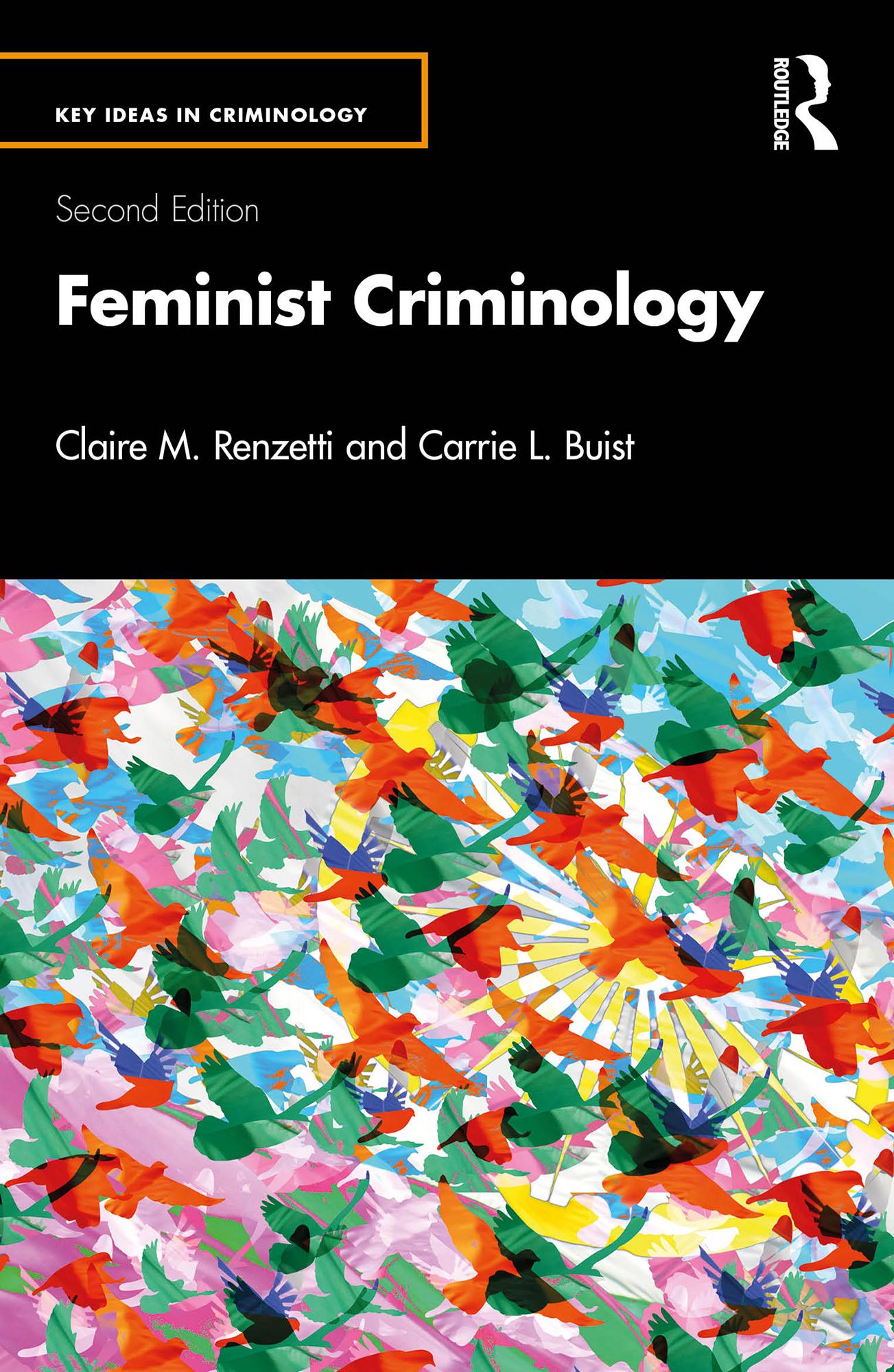
This revised and updated second edition traces the growth of feminist criminology from the 1970s to the present, examining the diversity of feminist criminologies that have developed, the ways they have responded to and built on one another, and the future directions for research and activism to which they point us.
Feminist criminology grew out of the Women’s Movement of the 1970s, in response to the male, heteronormative dominance of mainstream criminology—which meant that not only were women largely excluded from carrying out criminological research but they were also rarely considered as subjects of that research. Other groups were also marginalized by the mainstream, either discussed with stereotypical framing or overlooked completely. While showing how feminist perspectives have made a significant impact on the discipline, the academy, and the criminal legal system, this book also highlights the limits of this influence. In doing so, it explores answers to key questions, such as how much feminist criminology has transformed research and knowledge production, education, and practice, and how feminist criminologists can continue to shape the future of the discipline.
Feminist Criminology will be of great value to undergraduate and graduate students as well as faculty, researchers, and practitioners.
Betaal eenvoudig met kaart, Klarna, Apple Pay of Google Pay. Niet tevreden? Je hebt altijd 14 dagen bedenktijd. Lees meer in onze voorwaarden. Heb je vragen, mail ons dan via hello@memmo.org.
Memmo maakt studeren makkelijker – waar je ook bent ter wereld. Wij brengen je cursusboeken en slimme studietools samen op één plek: samenvattingen, quizzen, podcasts en flashcards. En Ted, je studievriend die antwoord geeft op alles wat je je afvraagt. Meer dan 50.000 studenten studeren hier al – gebouwd om je sneller te laten leren en minder stress te geven.