
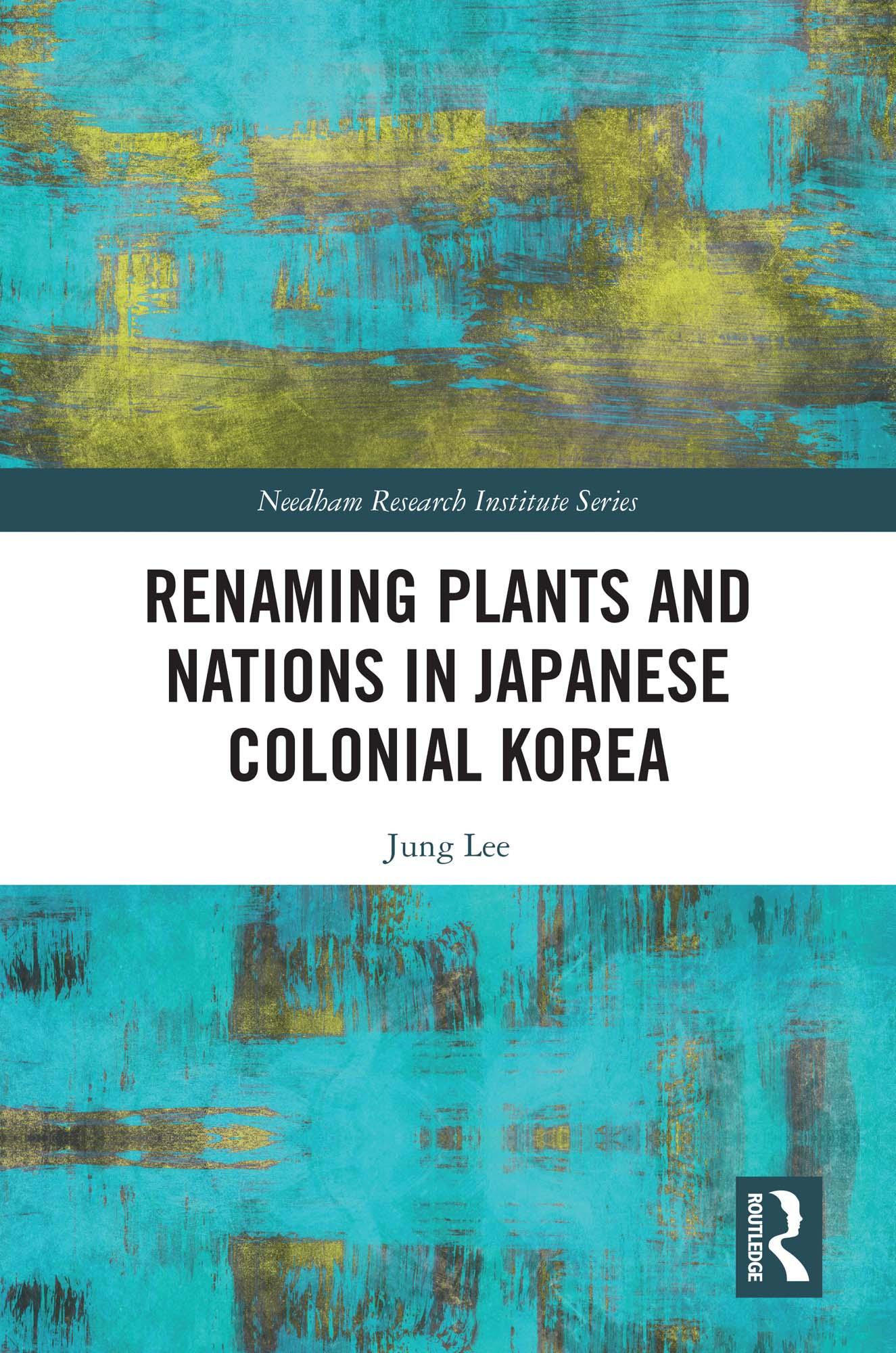
This book studies a striking example of intensely negotiated colonial scientific practice: the case of botanical practice in Korea during the Japanese colonisation from 1910 to 1945.
The shared aim of botanists who encountered one another in colonial Korea to practise “modern Western botany” is successfully revealed through analysis of their fieldwork and subsequent publications. By exploring the variations in what that term should mean and the politically charged nature of the interactions between both imperial and colonial players, it reveals how botanists of the region created to a form of scientific practice that was neither clearly Western nor particularly modern. It shows how the botany that evolved in this context was a product of colonially resourced, globally connected practice, immersed in intertwined traditions, rather than simply a copy of "modern Western botany”.
Utilizing extensive primary sources, this book will be of interest to students and scholars of the history of science, colonial Korean history and environmental history.
Betaal eenvoudig met kaart, Klarna, Apple Pay of Google Pay. Niet tevreden? Je hebt altijd 14 dagen bedenktijd. Lees meer in onze voorwaarden. Heb je vragen, mail ons dan via hello@memmo.org.
Memmo maakt studeren makkelijker – waar je ook bent ter wereld. Wij brengen je cursusboeken en slimme studietools samen op één plek: samenvattingen, quizzen, podcasts en flashcards. En Ted, je studievriend die antwoord geeft op alles wat je je afvraagt. Meer dan 50.000 studenten studeren hier al – gebouwd om je sneller te laten leren en minder stress te geven.