
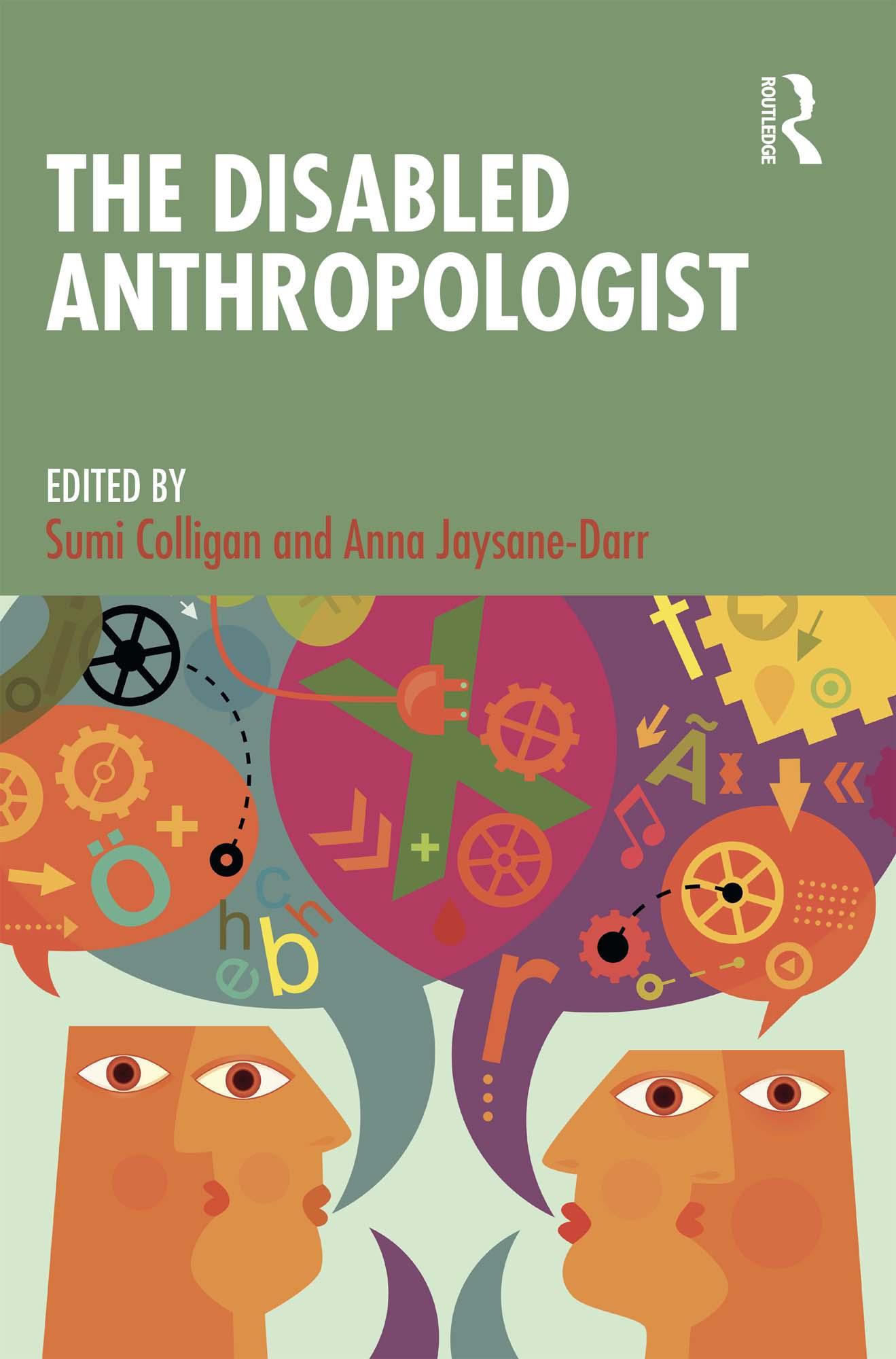
This book brings much needed attention to disabled anthropologists, making clear that “disabled” and “anthropologist” belong together. The disabled anthropologists who contribute to this volume and on which these chapters focus have refused erasure from a profession that would ignore their critiques and creativity. Applying autoethnographic, photographic, and poetic venues, the contributors assess the drawbacks of their anthropology training programs, the limitations of accessibility practices in the academy, and how their own embodiments and the contingencies of their research and research settings have facilitated the discovery of novel methodologies and insights. Collectively this volume’s contributors demonstrate a shared concern for the wellbeing of disabled ethnographers and interlocutors, whether working with Colombian refugees in Ecuador or those living with chronic pain in Michigan.
The Disabled Anthropologist is essential reading for students and scholars working in cultural and medical anthropology.
Betaal eenvoudig met kaart, Klarna, Apple Pay of Google Pay. Niet tevreden? Je hebt altijd 14 dagen bedenktijd. Lees meer in onze voorwaarden. Heb je vragen, mail ons dan via hello@memmo.org.
Memmo maakt studeren makkelijker – waar je ook bent ter wereld. Wij brengen je cursusboeken en slimme studietools samen op één plek: samenvattingen, quizzen, podcasts en flashcards. En Ted, je studievriend die antwoord geeft op alles wat je je afvraagt. Meer dan 50.000 studenten studeren hier al – gebouwd om je sneller te laten leren en minder stress te geven.