
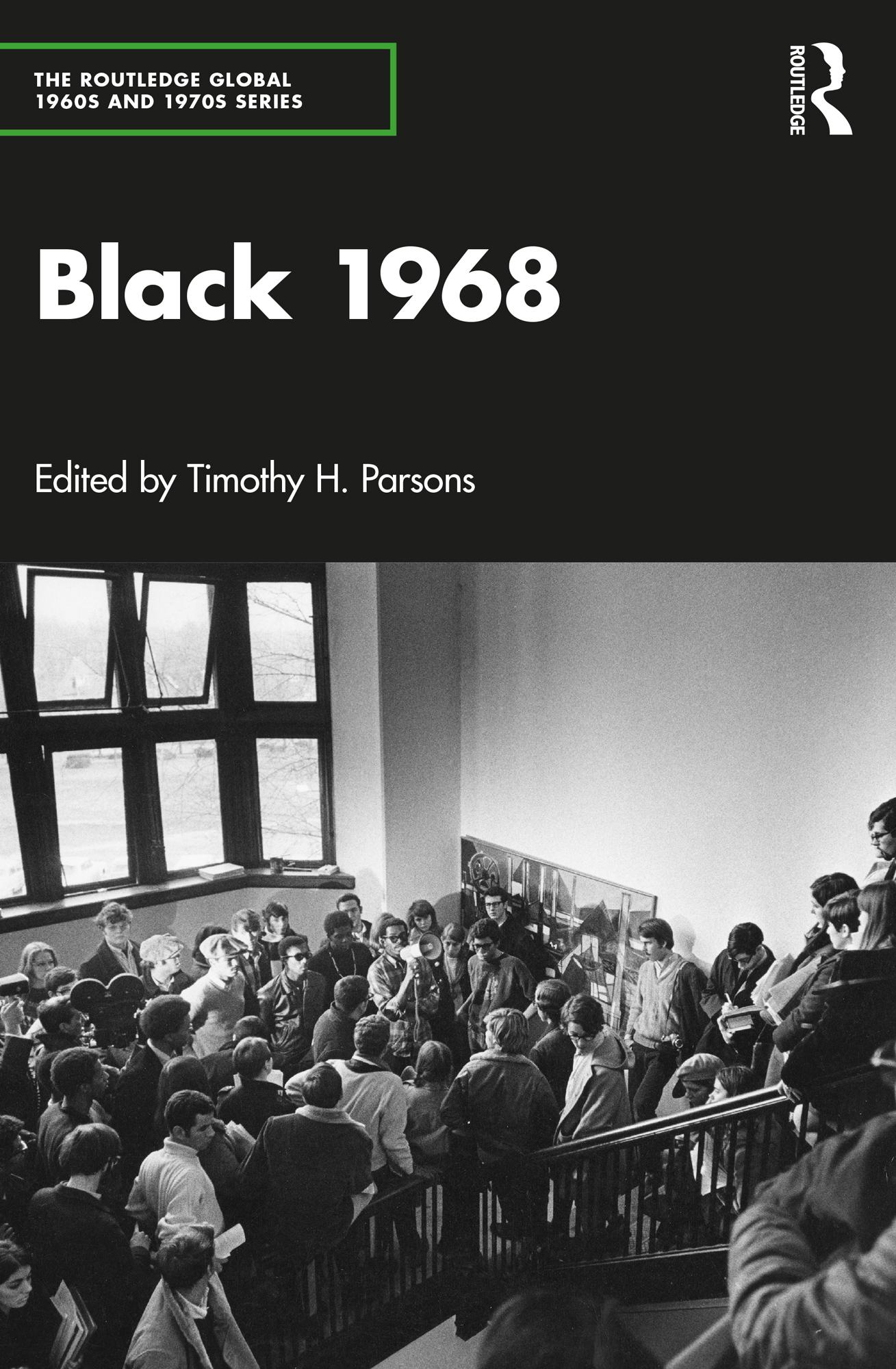
Initially, the 1960s was a time of understandable optimism. The civil rights movement and the legislation it inspired suggested an end to institutionalized racism in the United States, while in the Global South, the emergence of independent states anticipated political liberation and increased prosperity. So, when racial discrimination, entrenched privilege, cold war politics, and fiscal reality dashed these hopes later in the decade, the world experienced a wave of protests. Conventional narratives of 1968 focus on student strikes, revolutions and coups, assassinations, and the reactionary backlash that they inspired.
The chapters of Black 1968 reveal the imperfectly documented and heretofore unrecognized bonds that led peoples of African descent around the world to articulate new global conceptions of Blackness as a way to mount local challenges to racism, segregation, colonialism, economic exploitation, generational authority, and cultural chauvinism.
This book will be of interest to general readers interested in the global 1968 as well as scholars of Blackness and global history.
Betaal eenvoudig met kaart, Klarna, Apple Pay of Google Pay. Niet tevreden? Je hebt altijd 14 dagen bedenktijd. Lees meer in onze voorwaarden. Heb je vragen, mail ons dan via hello@memmo.org.
Memmo maakt studeren makkelijker – waar je ook bent ter wereld. Wij brengen je cursusboeken en slimme studietools samen op één plek: samenvattingen, quizzen, podcasts en flashcards. En Ted, je studievriend die antwoord geeft op alles wat je je afvraagt. Meer dan 50.000 studenten studeren hier al – gebouwd om je sneller te laten leren en minder stress te geven.