
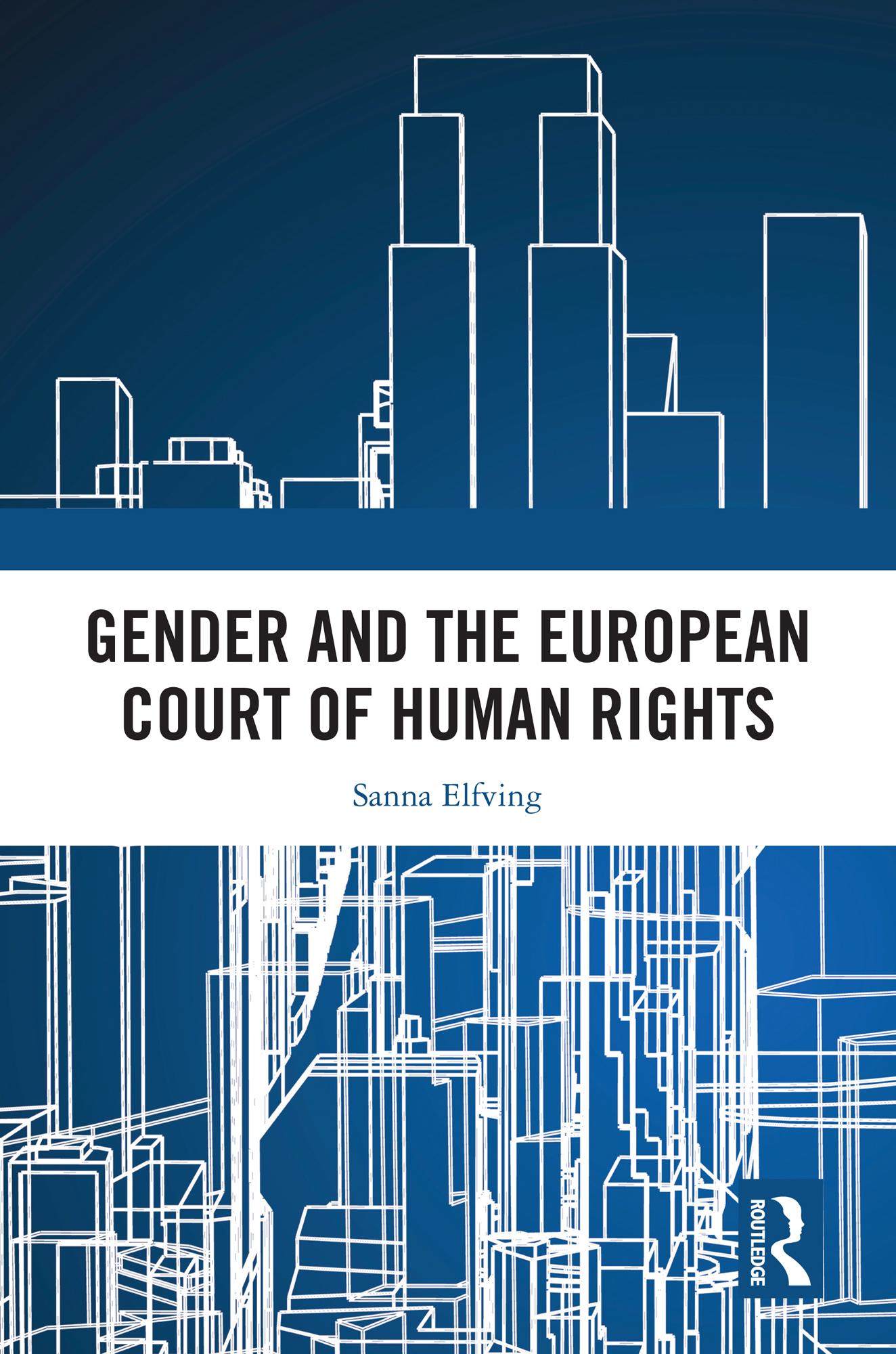
In applying an intersectional feminist legal analysis of the European Court of Human Rights’ case law in a variety of human rights issues, this book reveals a different and nuanced understanding of the gender issues.
Case law within the ECtHR, which does not explicitly raise gender issues, may have gendered consequences. Profound developments have occurred in Europe in several related areas, including gender equality case law in the context of the prohibition of discrimination under Article 14 of the European Convention on Human Rights; non-conventional parenting rights; discrimination on grounds of sexual orientation and gender identity; rights of asylum seekers; and family reunification rights in the past few decades. The analysis reveals the extent to which the Court considers an applicant’s gender, intersectional inequalities, and the concept of ‘vulnerability’ in its case law. This book contributes to existing literature on gender equality, gender and judging in supranational courts. Furthermore, it highlights the intersectional discrimination experienced by women and diasporic or minoritised groups by uncovering new dimensions of vulnerabilities.
This book will be of interest to researchers in the field of European human rights law, gender, and intersectional issues.
Betaal eenvoudig met kaart, Klarna, Apple Pay of Google Pay. Niet tevreden? Je hebt altijd 14 dagen bedenktijd. Lees meer in onze voorwaarden. Heb je vragen, mail ons dan via hello@memmo.org.
Memmo maakt studeren makkelijker – waar je ook bent ter wereld. Wij brengen je cursusboeken en slimme studietools samen op één plek: samenvattingen, quizzen, podcasts en flashcards. En Ted, je studievriend die antwoord geeft op alles wat je je afvraagt. Meer dan 50.000 studenten studeren hier al – gebouwd om je sneller te laten leren en minder stress te geven.