
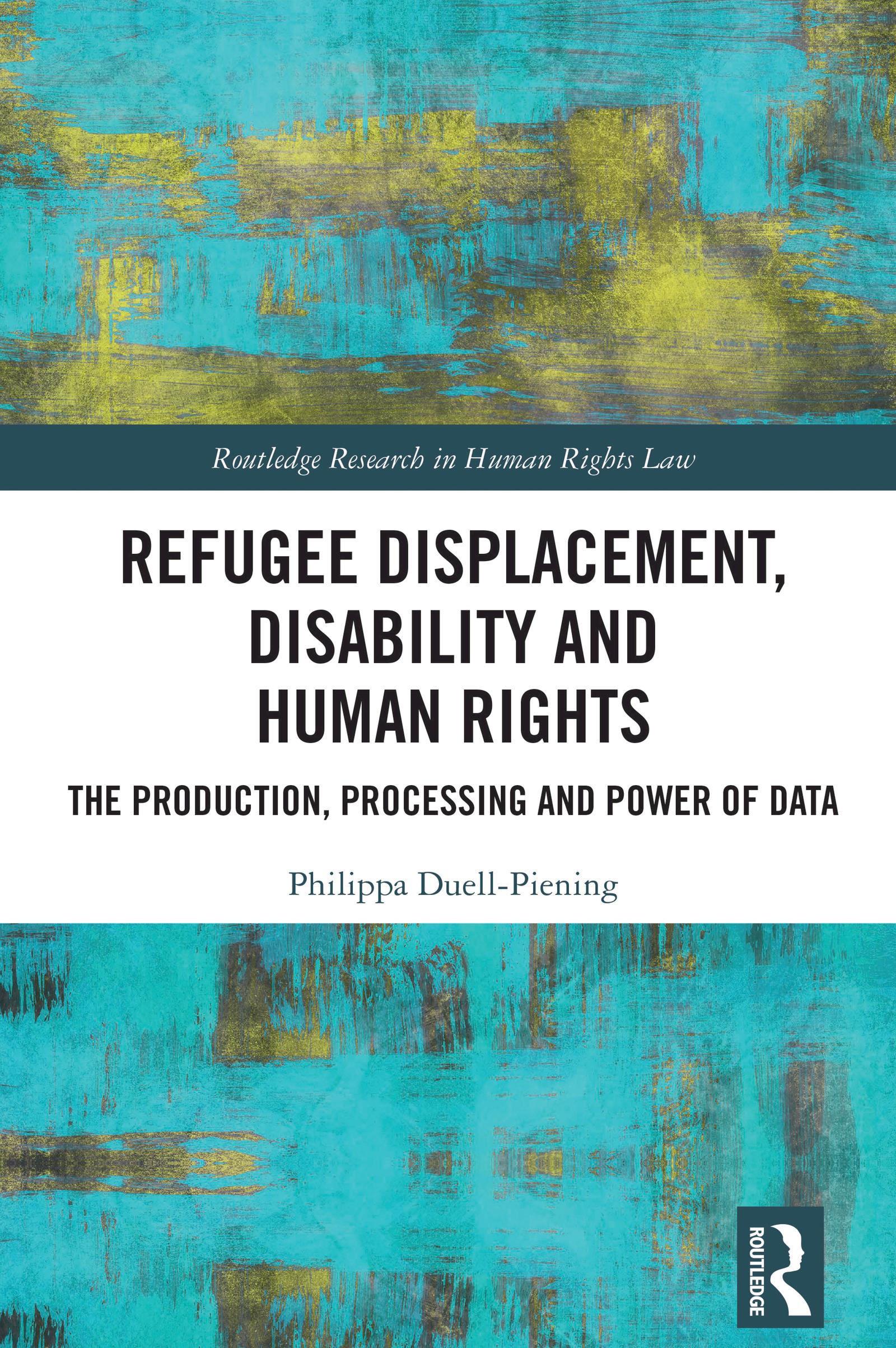
This book presents a timely and innovative exploration of one of the first human rights articles about data production and processing: the Convention on the Rights of Persons with Disabilities article 31, ‘Statistics and data collection’.
The study provides detailed explorations of the legal and practical demands of article 31, how these have been interpreted and the practice of human rights research with marginalised communities. It describes the history of the article’s drafting in detail, uncovering the tensions at its heart today. This analysis provides the foundations for an alternative doctrinal reading of the obligations in article 31 and an exploration of a potential group right. The book's detailed analysis is assisted by a new conceptual framework that illustrates the relationship between visibility and power. The work demonstrates that data is not inert but powerful and may be used in ways that are helpful and harmful to rights holders. Through closely examining disability human rights data practices in refugee contexts, it concludes that human rights protections are being ignored in the urgency to create more data to identify and address inequality. The author identifies immediate actions that may be taken to remediate current practices.
The book will be an invaluable resource for academics, researchers and policy-makers working in disability studies, human rights law, refugee and migration studies, technology and society.
Betaal eenvoudig met kaart, Klarna, Apple Pay of Google Pay. Niet tevreden? Je hebt altijd 14 dagen bedenktijd. Lees meer in onze voorwaarden. Heb je vragen, mail ons dan via hello@memmo.org.
Memmo maakt studeren makkelijker – waar je ook bent ter wereld. Wij brengen je cursusboeken en slimme studietools samen op één plek: samenvattingen, quizzen, podcasts en flashcards. En Ted, je studievriend die antwoord geeft op alles wat je je afvraagt. Meer dan 50.000 studenten studeren hier al – gebouwd om je sneller te laten leren en minder stress te geven.