
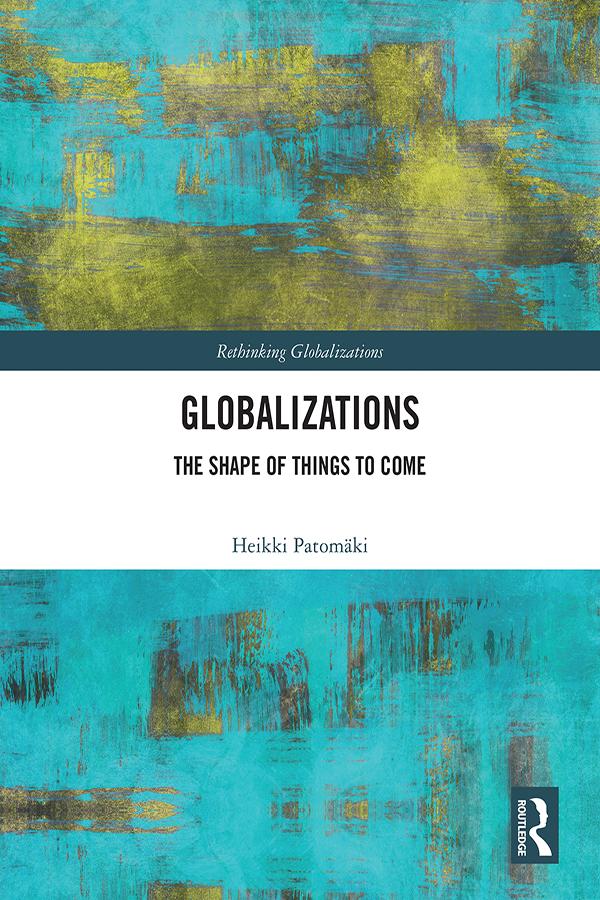
What can we say about the shape of things to come in world politics, the probability of different possibilities, and the reflexivity of our anticipations? Building on post-Keynesian economic theory and classical theories of imperialism, the book discusses anticipations that neoliberalism will push the world into a new era of insecurity, confrontations, armaments, and wars.
Part I of this volume delves into the acute geopolitical landscape, especially the war in Ukraine. Through the analysis of the lessons from the OSCE process, the focus moves to political economy. Part II “Political Economy” focuses on the dynamics of the world political economy and concludes with discussions on connections between economic and normative theory. Part III concerns global political theory, ending with a cosmopolitan vision of the university’s future. The volume also investigates partial failures of and limits to anticipating the future in open systems. Normative assessments and priorities have also changed in some respects with the world-historical context. The comprehensive introduction addresses the question “what can we learn from all this, and how do these lessons help us anticipate the future better?”.
This book will be of great interest to students, scholars, and researchers of International Relations, International Political Economy, Economic History, Development Studies, and Futures Studies. The chapters in this book, except for chapters 3 and 6, were originally published in Globalizations. This volume comes with a new introduction.
Betaal eenvoudig met kaart, Klarna, Apple Pay of Google Pay. Niet tevreden? Je hebt altijd 14 dagen bedenktijd. Lees meer in onze voorwaarden. Heb je vragen, mail ons dan via hello@memmo.org.
Memmo maakt studeren makkelijker – waar je ook bent ter wereld. Wij brengen je cursusboeken en slimme studietools samen op één plek: samenvattingen, quizzen, podcasts en flashcards. En Ted, je studievriend die antwoord geeft op alles wat je je afvraagt. Meer dan 50.000 studenten studeren hier al – gebouwd om je sneller te laten leren en minder stress te geven.