
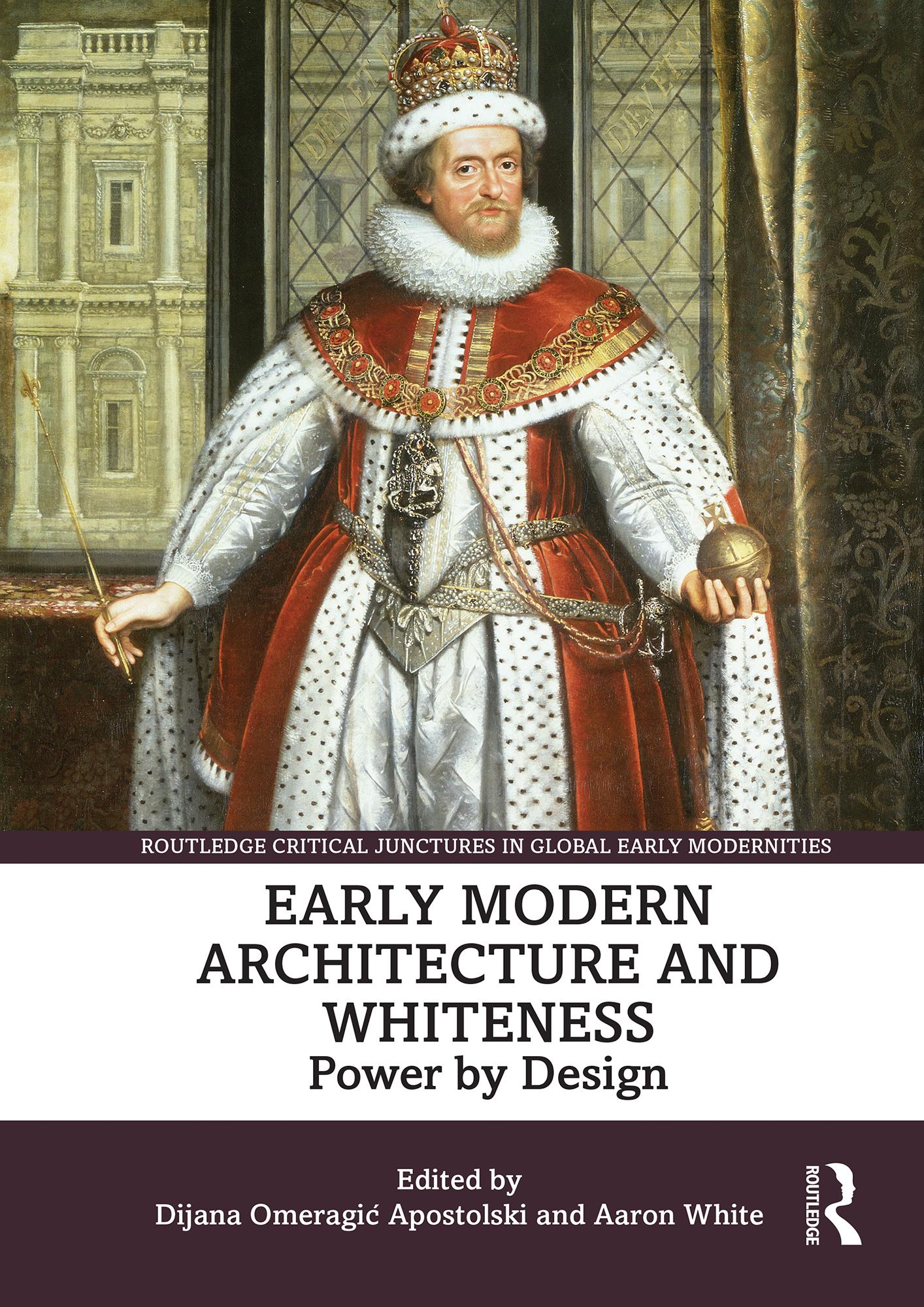
Framing whiteness as a sensorial quality connate with ethical, aesthetic, epistemological, and ontological hierarchies, this edited volume examines how the category of whiteness shaped architectural theories and practices across the early modern period.
What was architecture’s role in race-making, constructions of whiteness, and processes of othering more generally? How was whiteness architecturally questioned, reinforced, conceptualized, practiced, and materialized? And how did whiteness intersect with categories such as class, nation, gender, beauty, hygiene, and health? In examining these questions, this volume explores the ways in which premodern critical race studies allow us to reimagine the boundaries and possibilities of architectural research, design, and practice.
The book will be of interest to scholars working in architectural history, art history, early modern studies, and the history of race.
Betaal eenvoudig met kaart, Klarna, Apple Pay of Google Pay. Niet tevreden? Je hebt altijd 14 dagen bedenktijd. Lees meer in onze voorwaarden. Heb je vragen, mail ons dan via hello@memmo.org.
Memmo maakt studeren makkelijker – waar je ook bent ter wereld. Wij brengen je cursusboeken en slimme studietools samen op één plek: samenvattingen, quizzen, podcasts en flashcards. En Ted, je studievriend die antwoord geeft op alles wat je je afvraagt. Meer dan 50.000 studenten studeren hier al – gebouwd om je sneller te laten leren en minder stress te geven.