
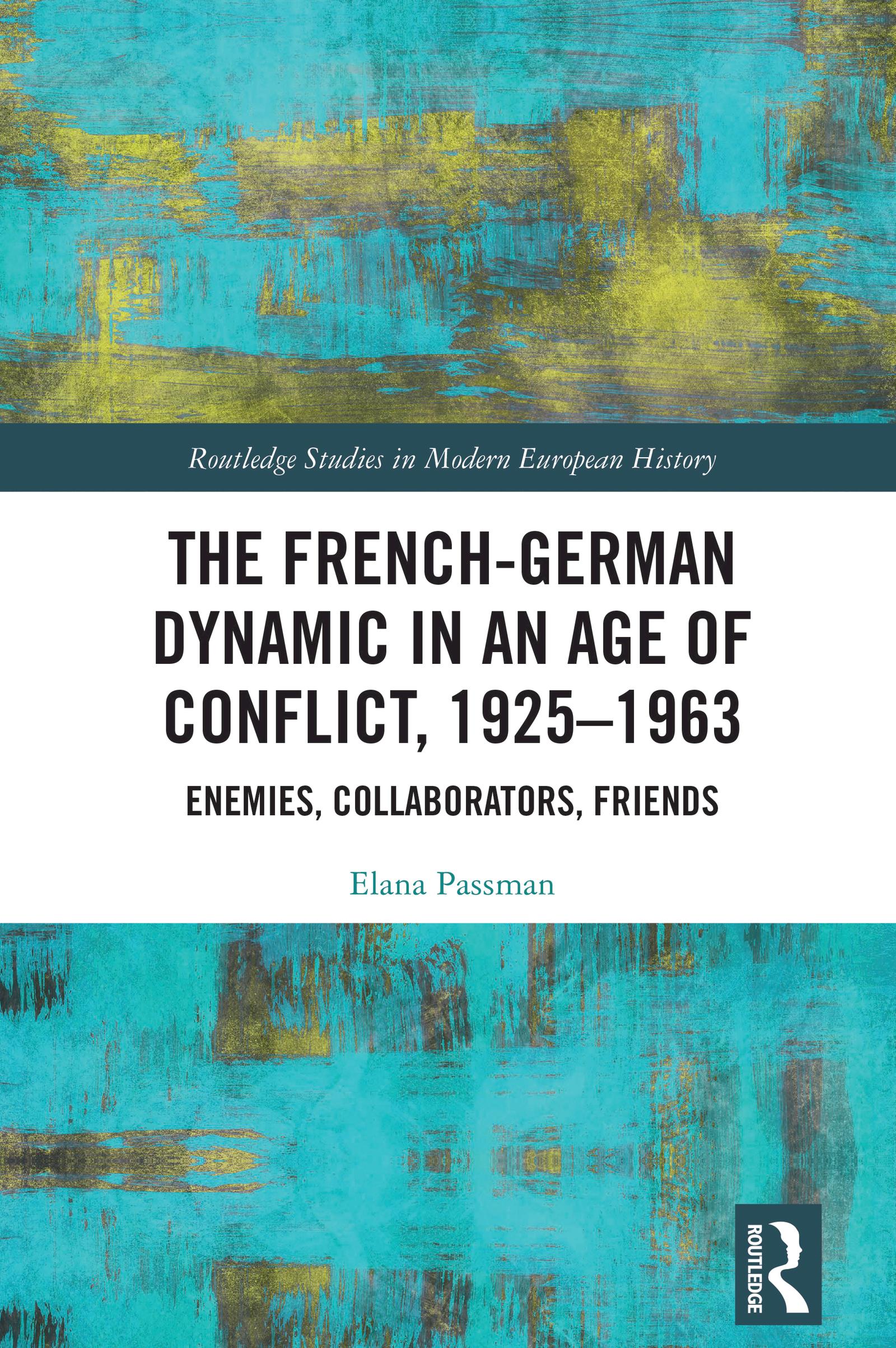
This book investigates the radical transformation of the relationship between Germany and France, neighbors whose border constituted one of the deepest fault lines of European history.
For generations, the French and the Germans believed they were “eternal enemies,” and this myth of primordial hatred was the lens through which they interpreted each other’s every move. Yet today, a Franco-German war is unimaginable. Passman locates the reshaping of the French-German dynamic in the civic organizations that made the very notion of cooperation credible. After World War I, and in the decades to follow, Franco-German associations kept calling for an end to their animus. Through journals, cultural exchanges, events, and charitable ventures, activists opened up the possibility of imagining friendship with the enemy. The pursuit of French-German cooperation did not begin with politicians after World War II. It took flight in the 1920s and persisted through decades of turmoil. In anchoring the history of collaboration in a longer arc of French-German cooperation, Passman illuminates how entangled were the histories of 1920s rapprochement, Nazi-era collaborationism, and postwar reconciliation.
This volume will appeal to scholars, students, and general readers interested in the histories of modern France and modern Germany, European integration, and peace studies.
Betaal eenvoudig met kaart, Klarna, Apple Pay of Google Pay. Niet tevreden? Je hebt altijd 14 dagen bedenktijd. Lees meer in onze voorwaarden. Heb je vragen, mail ons dan via hello@memmo.org.
Memmo maakt studeren makkelijker – waar je ook bent ter wereld. Wij brengen je cursusboeken en slimme studietools samen op één plek: samenvattingen, quizzen, podcasts en flashcards. En Ted, je studievriend die antwoord geeft op alles wat je je afvraagt. Meer dan 50.000 studenten studeren hier al – gebouwd om je sneller te laten leren en minder stress te geven.