
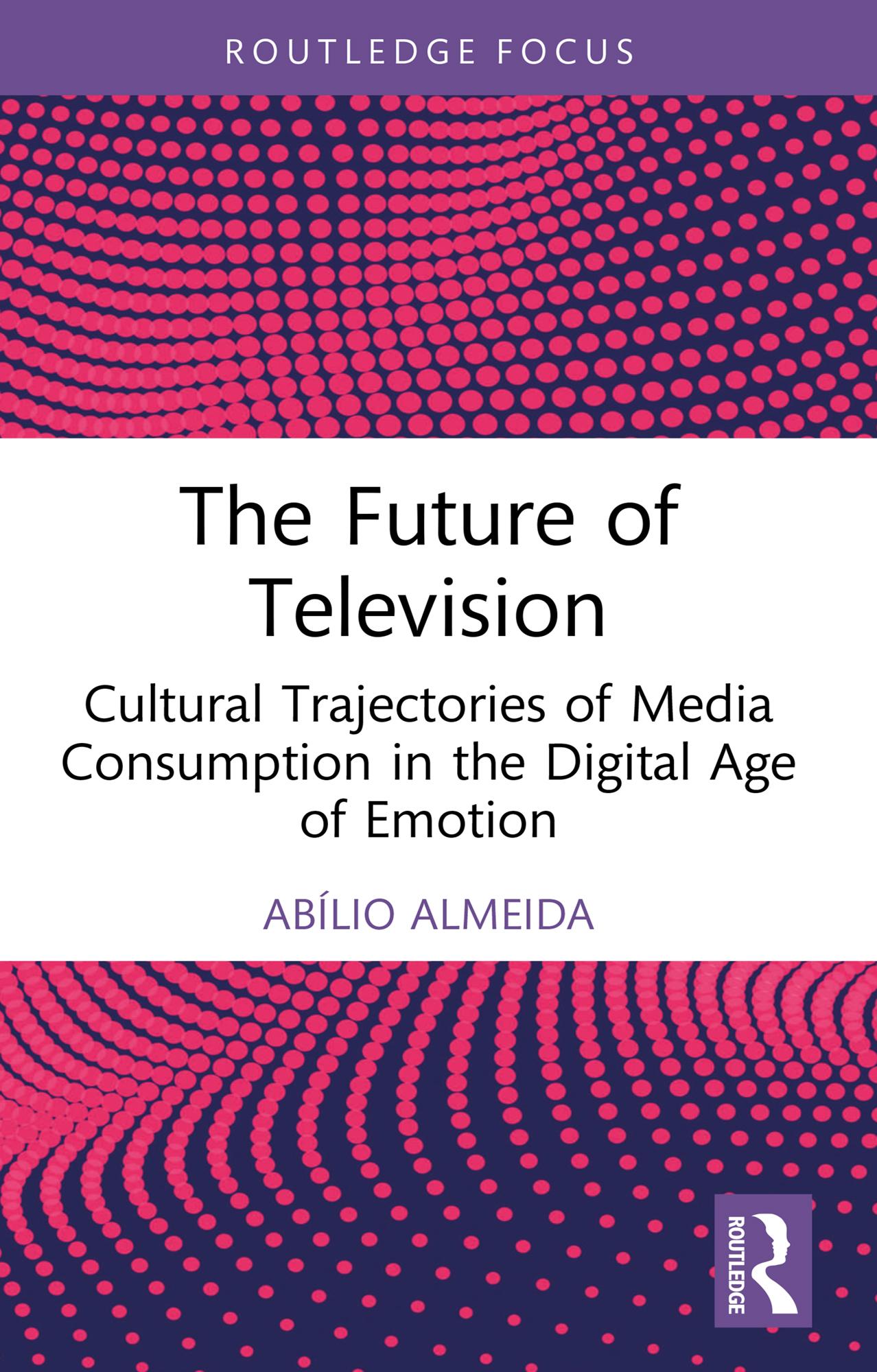
The book is divided into two sections: one focusing on the phenomenon of television and the other on audiences. It argues that television is changing from a singular object, fixed in a particular place, to a social phenomenon distributed across many devices and platforms. It also argues that audiences are increasingly demanding an ‘open relationship’ with television, as their attention is often distributed across multiple devices and platforms simultaneously. In addition to these aspects, we analyse the evolution of television since its inception, the need for a renewed public service 2.0 in tune with our times, the increasing dominance of talk shows and infotainment, and the new power of television combined with artificial intelligence. These and many other topics are covered in this book, which will be of interest to television professionals, academics in sociology, media studies, and various other fields.
Betaal eenvoudig met kaart, Klarna, Apple Pay of Google Pay. Niet tevreden? Je hebt altijd 14 dagen bedenktijd. Lees meer in onze voorwaarden. Heb je vragen, mail ons dan via hello@memmo.org.
Memmo maakt studeren makkelijker – waar je ook bent ter wereld. Wij brengen je cursusboeken en slimme studietools samen op één plek: samenvattingen, quizzen, podcasts en flashcards. En Ted, je studievriend die antwoord geeft op alles wat je je afvraagt. Meer dan 50.000 studenten studeren hier al – gebouwd om je sneller te laten leren en minder stress te geven.