
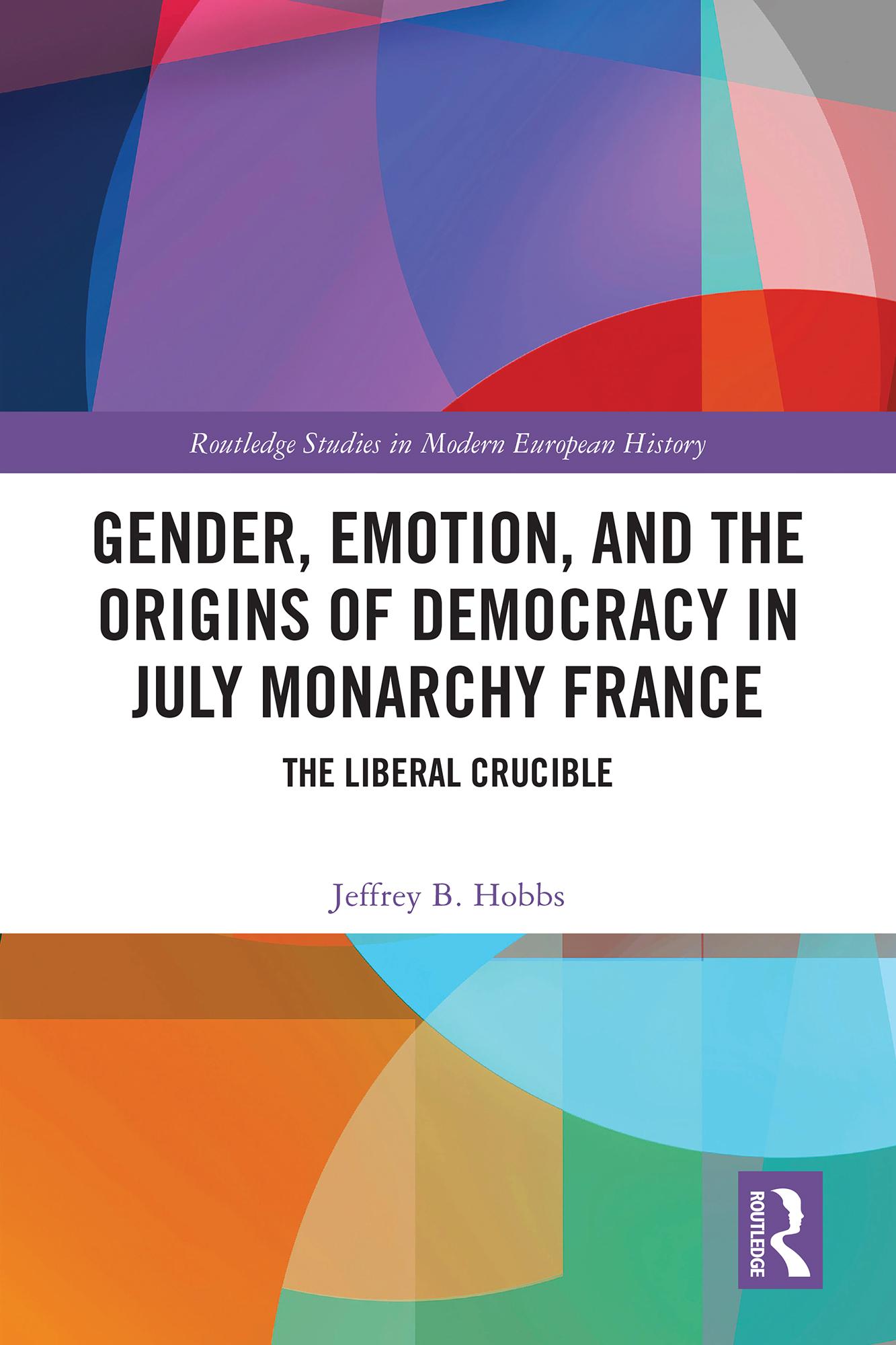
This book provides a new perspective on the historical importance of a series of provincial rebellions in France after the Revolution of 1830. It demonstrates their crucial role in the development of popular ideas about liberty and democracy in modern France.
Hobbs shows how the Duchesse de Berry’s rebellion in 1832 and the Lyon insurrections of 1831 and 1834 inspired competing visions of liberty defined through discourses about gender and emotion. In particular, he illustrates how political groups, including liberals, legitimists, and republicans, used representations of gender and emotion to justify their roles in rebellions and to contest the meaning of liberty. Rather than being directly descended from liberal or republican traditions, the book argues, modern French democracy was forged as the mutual creation of these groups as they vied for political power in the nineteenth century.
This volume will be of interest to scholars of modern France, the history of democracy, the history of emotions, the history of class, and the history of liberalism, as well as to graduate students studying modern Europe, liberalism, the history of emotions, class politics, and nineteenth-century royalism.
Betaal eenvoudig met kaart, Klarna, Apple Pay of Google Pay. Niet tevreden? Je hebt altijd 14 dagen bedenktijd. Lees meer in onze voorwaarden. Heb je vragen, mail ons dan via hello@memmo.org.
Memmo maakt studeren makkelijker – waar je ook bent ter wereld. Wij brengen je cursusboeken en slimme studietools samen op één plek: samenvattingen, quizzen, podcasts en flashcards. En Ted, je studievriend die antwoord geeft op alles wat je je afvraagt. Meer dan 50.000 studenten studeren hier al – gebouwd om je sneller te laten leren en minder stress te geven.