
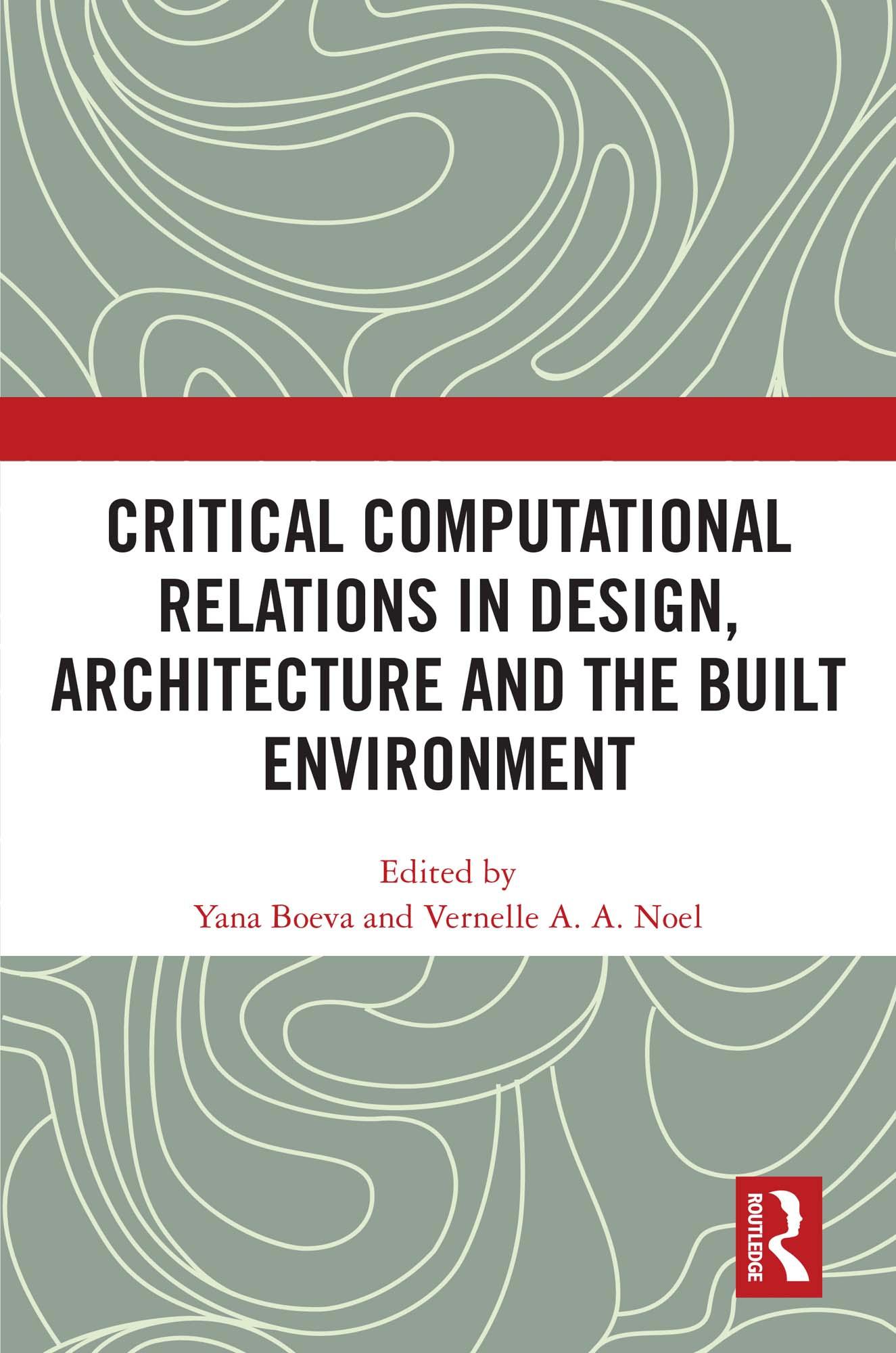
This book delves into the power relations between computational practices, technology infrastructures, knowledge, and their reproductions of bias in design at multiple scales. It provides critical perspectives and insights on how computation intersects with architecture, design, the built environment, and society.
Computational practices, tools and methods in design, architecture, and the built environment, frequently offer technocentric solutions to design problems. Portrayed as mere tools that are "neutral" and "optimized", these technological infrastructures mask social, political, and environmental entanglements involved in their creation and expansion as well as the power of software monopolies and technology providers.
The six contributions to this volume provide critical perspectives and insights on how computation intersects with architecture, design, the built environment, and society. The chapters cover diverse topics such as data practices for design simulations, machine learning (ML) and digital humanities methods for digital heritage, a computationally-aided exploration of ideologies of digital architecture, embodied and craft practice for digital fabrication, feminist hacking practices challenging heteronormative values in digital urban design, and post-disciplinary pedagogies for computational design.
The book will be of interest to researchers, students and practitioners in the fields of architecture, built environment, computational design, science and technology studies, and sociology. The chapters in this book were originally published in Digital Creativity.
Betaal eenvoudig met kaart, Klarna, Apple Pay of Google Pay. Niet tevreden? Je hebt altijd 14 dagen bedenktijd. Lees meer in onze voorwaarden. Heb je vragen, mail ons dan via hello@memmo.org.
Memmo maakt studeren makkelijker – waar je ook bent ter wereld. Wij brengen je cursusboeken en slimme studietools samen op één plek: samenvattingen, quizzen, podcasts en flashcards. En Ted, je studievriend die antwoord geeft op alles wat je je afvraagt. Meer dan 50.000 studenten studeren hier al – gebouwd om je sneller te laten leren en minder stress te geven.