
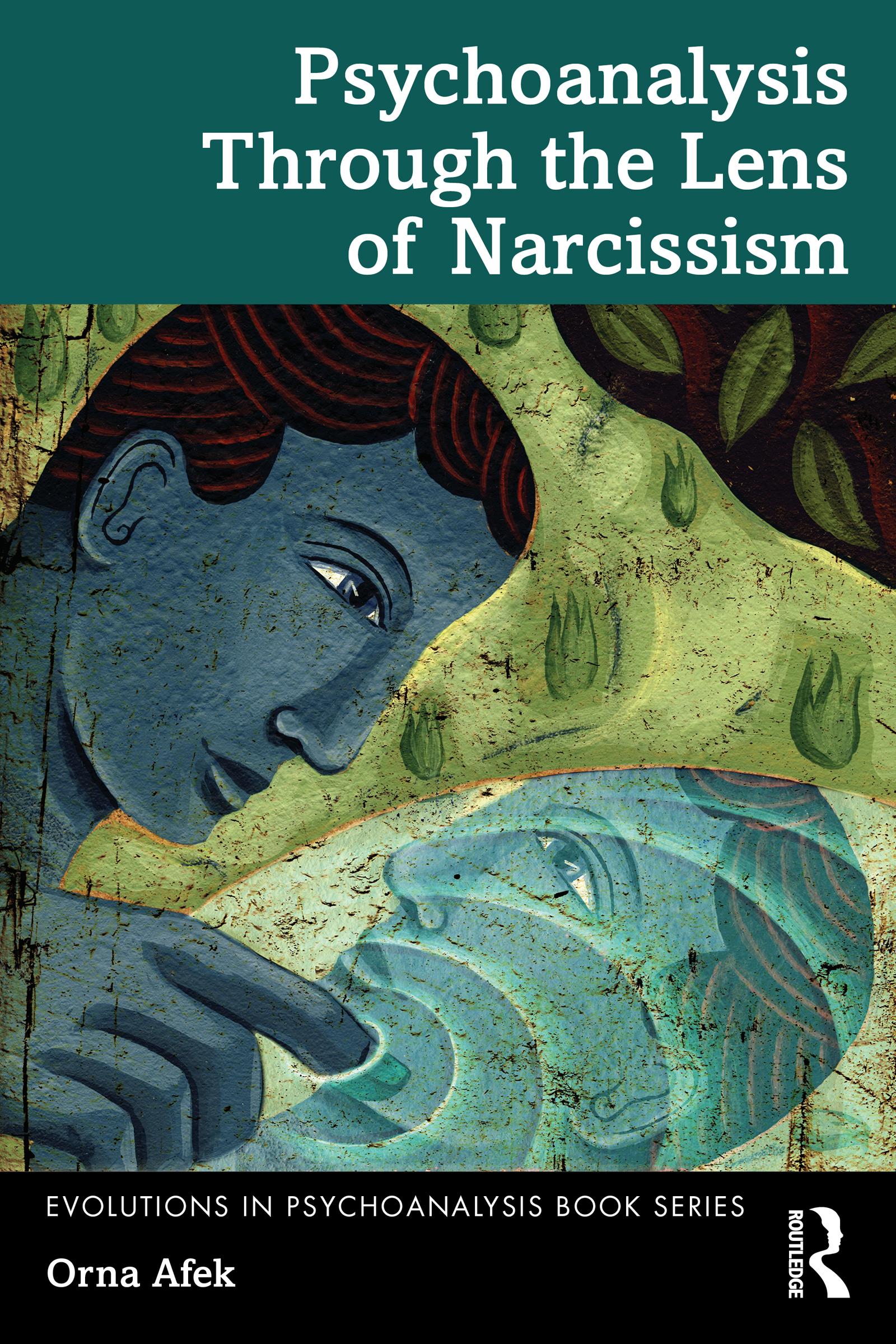
This critical historical review of psychoanalytic theory and practice reflects on the place of psychoanalysis in contemporary Western culture in light of its preoccupation with the self and associated failure to emphasize the role of close interpersonal relationships as central to the human psyche.
The elusive presence of the separate other in psychoanalytic theory is discussed vis-à-vis the life stories of Freud, Winnicott, and Kohut. The underlying narcissistic bias in the theories of these three pioneers of psychoanalysis – classical Freudian drive theory, Winnicott’s theory of the parent-infant relationship, and Kohut's theory of self-psychology – is traced back to their narcissistic personality traits, which impacted their views and perceptions and obscured the fundamental centrality of interpersonal relationships per se in the inner world of the individual, with far-reaching implications for psychoanalytic thought and practice.
With fresh insights on the subjectivity of personality theories, the core features of the narcissistic personality, and the implications of the narcissistic position for theory and clinical practice, this book will interest psychotherapists, psychoanalysts, and other professionals in the field, specifically those interested in personality diagnosis, narcissism, attachment theory, and psychotherapeutic approaches and psychoanalytic theories in general.
Betaal eenvoudig met kaart, Klarna, Apple Pay of Google Pay. Niet tevreden? Je hebt altijd 14 dagen bedenktijd. Lees meer in onze voorwaarden. Heb je vragen, mail ons dan via hello@memmo.org.
Memmo maakt studeren makkelijker – waar je ook bent ter wereld. Wij brengen je cursusboeken en slimme studietools samen op één plek: samenvattingen, quizzen, podcasts en flashcards. En Ted, je studievriend die antwoord geeft op alles wat je je afvraagt. Meer dan 50.000 studenten studeren hier al – gebouwd om je sneller te laten leren en minder stress te geven.