
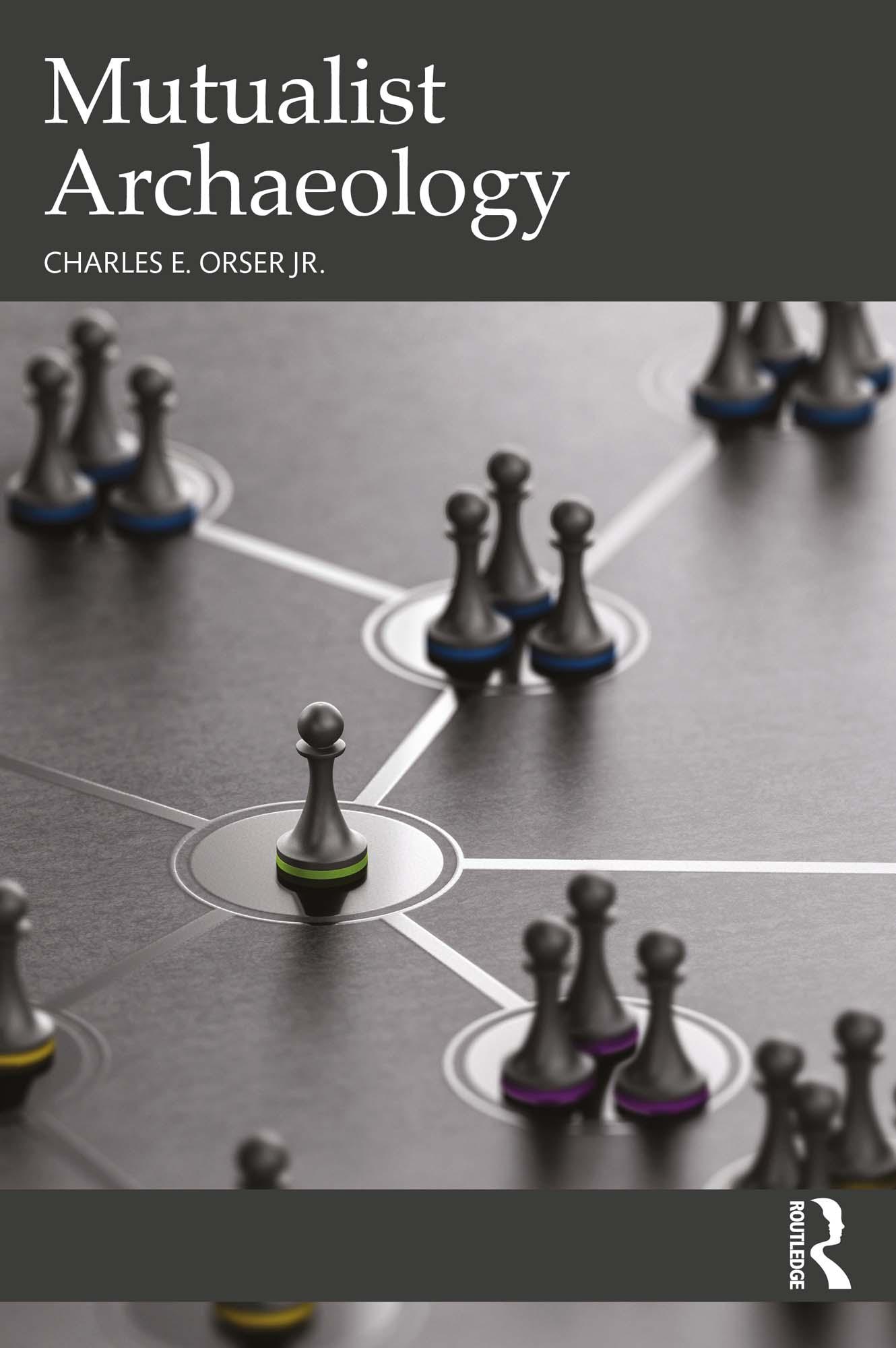
Mutualist Archaeology proposes that the theory of mutualism can transform archaeology from what someconsider to be a discipline in crisis.
This book argues that the methodological and practical applications of mutualism can transform both the practice of archaeology and the way that interpretations of the past are created. Nineteenth-century theories of capitalism and Darwinism led many to assume that competition, both in the present and the past, was the most natural process in the world. Despite the tenacity of the competitive argument, this book highlights another way of seeing the natural and human world, beneficial association, or mutualism. Chapters set out how mutualist theory can offer differing perspectives on the many historical contexts archaeologists investigate, such as exchange and social complexity, as well as how archaeologists work together. Until now, no archaeologist has explicitly explored the richness that exists within mutualism, and in addition to providing a useful research perspective, mutualist theory also has profound implications for the practice of contemporary archaeology, including the drive to decolonize archaeological practice.
Introducing mutualist theory and its significance for archaeological research, this book is for researchers and students of archaeological theory and archaeologists looking for new ways to view the discipline.
Betaal eenvoudig met kaart, Klarna, Apple Pay of Google Pay. Niet tevreden? Je hebt altijd 14 dagen bedenktijd. Lees meer in onze voorwaarden. Heb je vragen, mail ons dan via hello@memmo.org.
Memmo maakt studeren makkelijker – waar je ook bent ter wereld. Wij brengen je cursusboeken en slimme studietools samen op één plek: samenvattingen, quizzen, podcasts en flashcards. En Ted, je studievriend die antwoord geeft op alles wat je je afvraagt. Meer dan 50.000 studenten studeren hier al – gebouwd om je sneller te laten leren en minder stress te geven.