
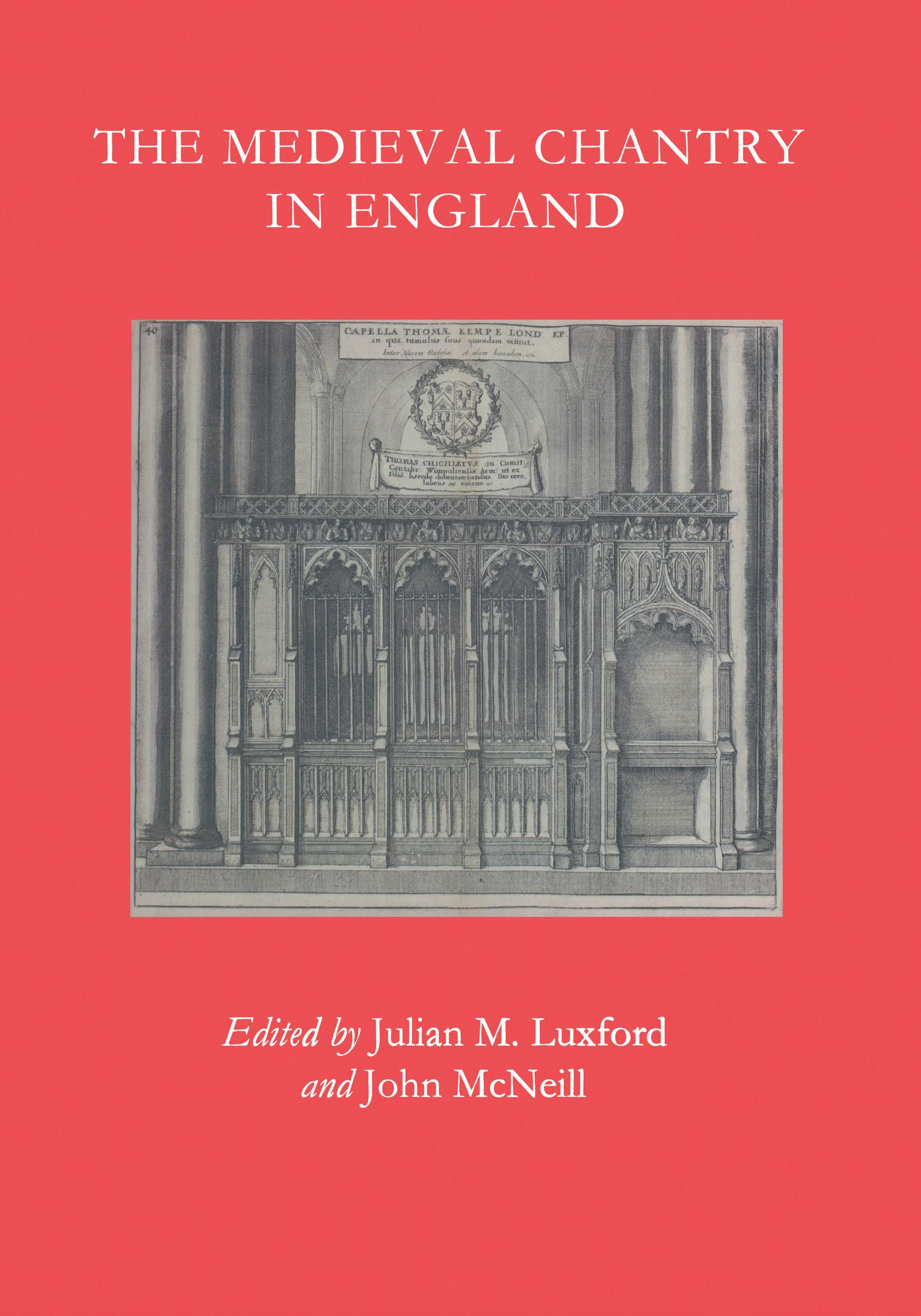
Chantries were religious institutions endowed with land, goods and money. At their heart was the performance of a daily mass for the spiritual benefit of their founders, and the souls of all faithful dead. To Church reformers, they exemplified some of medieval Catholicism’s most egregious errors; but to the orthodox they offered opportunities to influence what occurred in an unknowable afterlife. The eleven essays presented here lead the reader through the earliest manifestations of the chantry, the origins and development of ‘stone-cage’ chapels, royal patronage of commemorative art and architecture, the chantry in the late medieval parish, the provision of music and textiles, and a series of specific chantries created for William of Wykeham, Edmund Audley, Thomas Spring and Abbot Islip, to the eventual history and the cultural consequences of their suppression in the mid-16th century.
Betaal eenvoudig met kaart, Klarna, Apple Pay of Google Pay. Niet tevreden? Je hebt altijd 14 dagen bedenktijd. Lees meer in onze voorwaarden. Heb je vragen, mail ons dan via hello@memmo.org.
Memmo maakt studeren makkelijker – waar je ook bent ter wereld. Wij brengen je cursusboeken en slimme studietools samen op één plek: samenvattingen, quizzen, podcasts en flashcards. En Ted, je studievriend die antwoord geeft op alles wat je je afvraagt. Meer dan 50.000 studenten studeren hier al – gebouwd om je sneller te laten leren en minder stress te geven.