
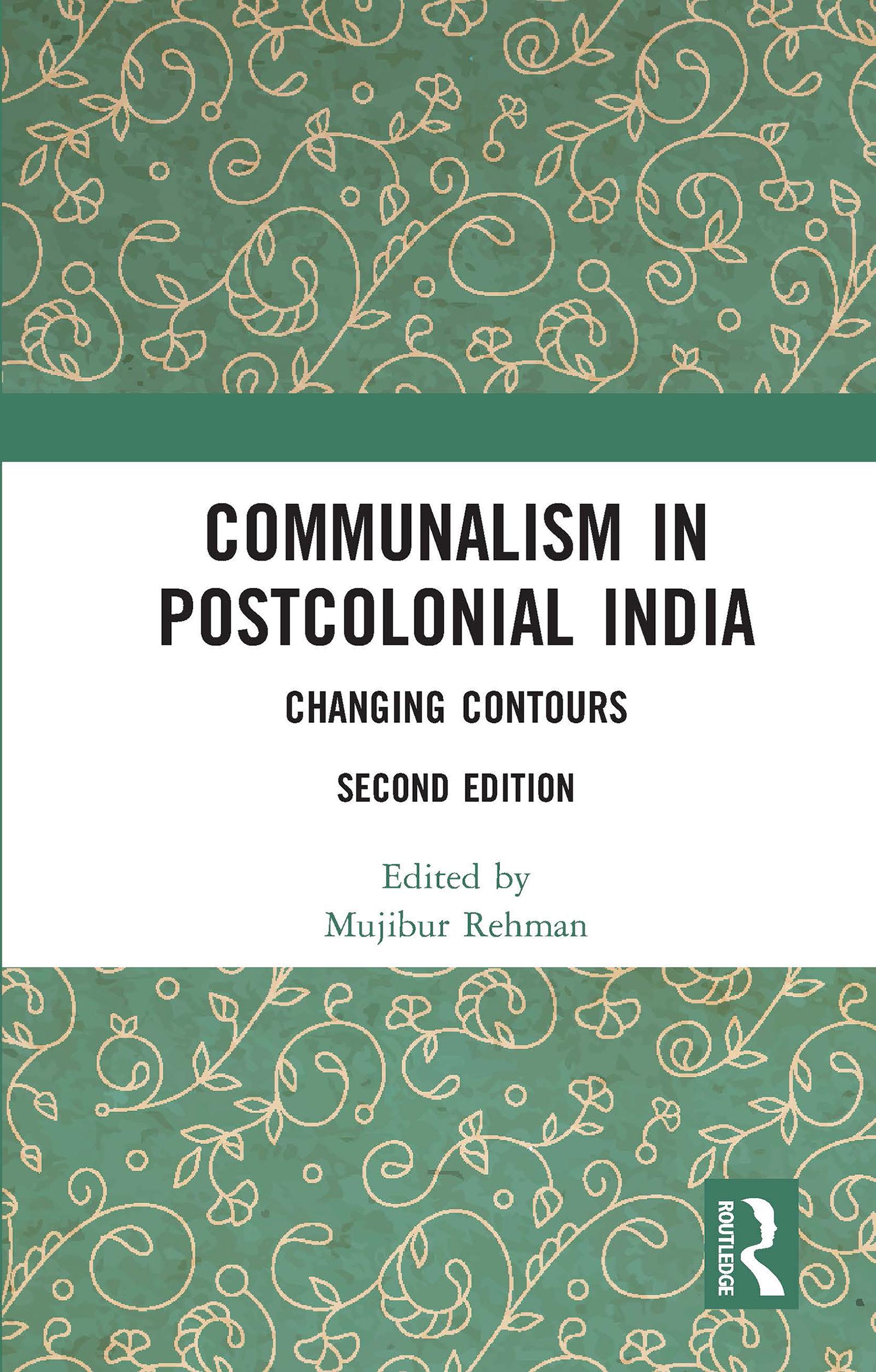
This book reconceptualises the idea of communalism in independent India. It locates the changing contours of politics and religion in the country from the colonial times to the present day, and makes an important intervention in understanding the relationship between communalism and communal violence. It evaluates the role of state, media, civil societies, political parties, and other actors in the process as well as ideas such as secularism, nationalism, minority rights and democracy. Using new conceptual tools and an interdisciplinary approach, the work challenges the conventional understanding of communalism as time and context independent.
This second edition includes a Foreword by Romila Thapar and an Afterword by Dipesh Chakrabarty, along with a new Introduction which revaluate the trajectory of communal politics in contemporary India, and question how secularism has come to be understood today. This topical volume will be useful to scholars and researchers in South Asian politics, political science, history, sociology and social anthropology, as well as the interested general reader.
Betaal eenvoudig met kaart, Klarna, Apple Pay of Google Pay. Niet tevreden? Je hebt altijd 14 dagen bedenktijd. Lees meer in onze voorwaarden. Heb je vragen, mail ons dan via hello@memmo.org.
Memmo maakt studeren makkelijker – waar je ook bent ter wereld. Wij brengen je cursusboeken en slimme studietools samen op één plek: samenvattingen, quizzen, podcasts en flashcards. En Ted, je studievriend die antwoord geeft op alles wat je je afvraagt. Meer dan 50.000 studenten studeren hier al – gebouwd om je sneller te laten leren en minder stress te geven.