
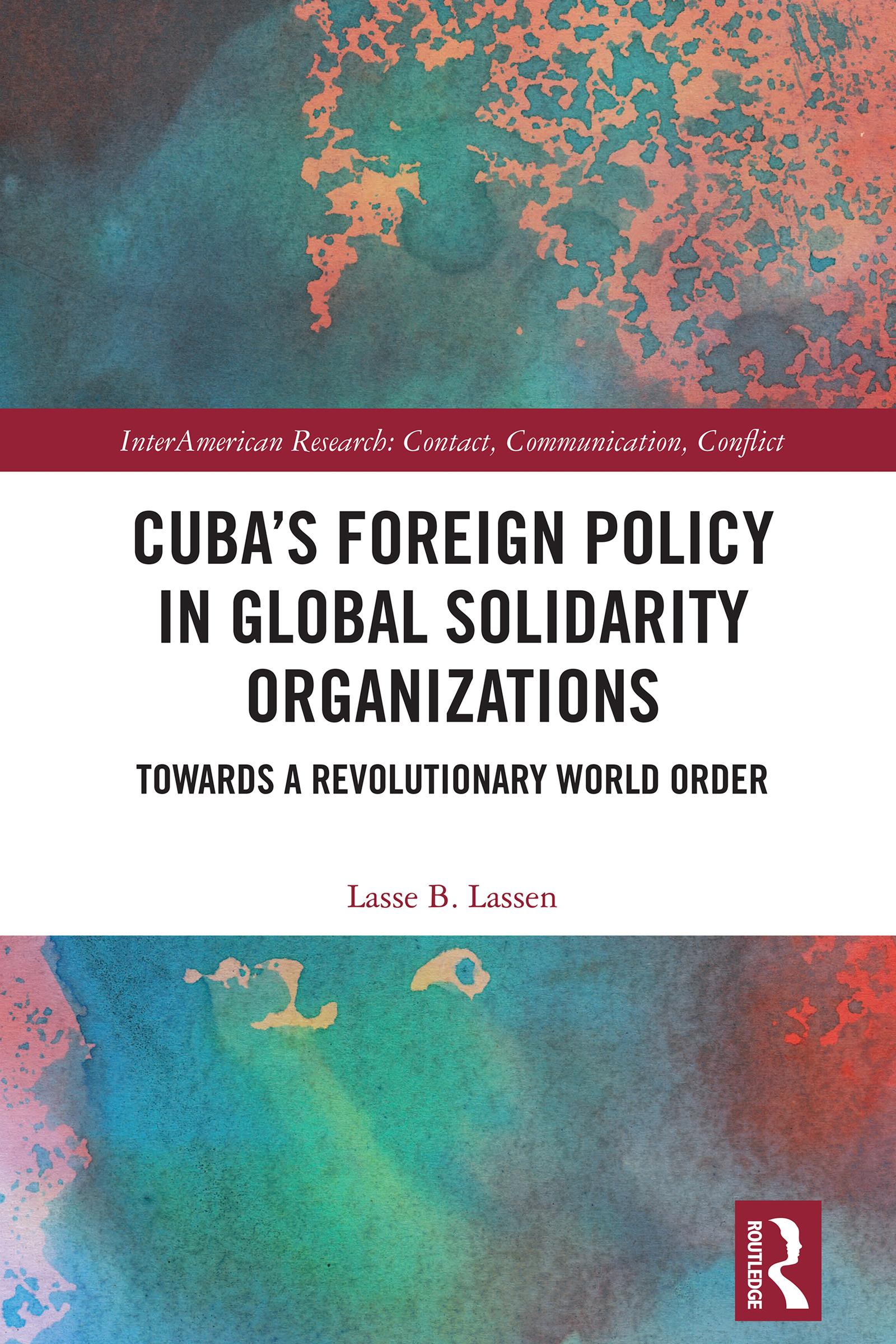
This book analyzes the influence of the Cuban Revolutionary Government on the evolution of the Afro-Asian Peoples’ Solidarity Organization (AAPSO). The author argues that Cuba’s accession to AAPSO and the convocation of two solidarity conferences (1966/1967) in Havana initiated a political shift for the organization. The Cuban Revolutionary Government thus promoted the inclusion of Latin American delegations that represented their countries’ leftist and pro-Cuban dissidence as well as rural guerilla movements. Adding to that, Fidel Castro’s independent stance towards AAPSO’s two main financers, the USSR and the PR China, fostered a gradual emancipation of the postcolonial organization from the dominance of its sponsors. The book offers a better understanding of the theoretical foundations of Cuba’s foreign policy and explains how Havana used the two solidarity conferences to better the island’s international prestige at times of diplomatic isolation. Retracing the diplomatic influence of a small but key diplomatic actor of the Cold War, this study will appeal to postcolonial and Latin America scholars, as well as to academic researchers in contemporary history and political sciences.
Betaal eenvoudig met kaart, Klarna, Apple Pay of Google Pay. Niet tevreden? Je hebt altijd 14 dagen bedenktijd. Lees meer in onze voorwaarden. Heb je vragen, mail ons dan via hello@memmo.org.
Memmo maakt studeren makkelijker – waar je ook bent ter wereld. Wij brengen je cursusboeken en slimme studietools samen op één plek: samenvattingen, quizzen, podcasts en flashcards. En Ted, je studievriend die antwoord geeft op alles wat je je afvraagt. Meer dan 50.000 studenten studeren hier al – gebouwd om je sneller te laten leren en minder stress te geven.