
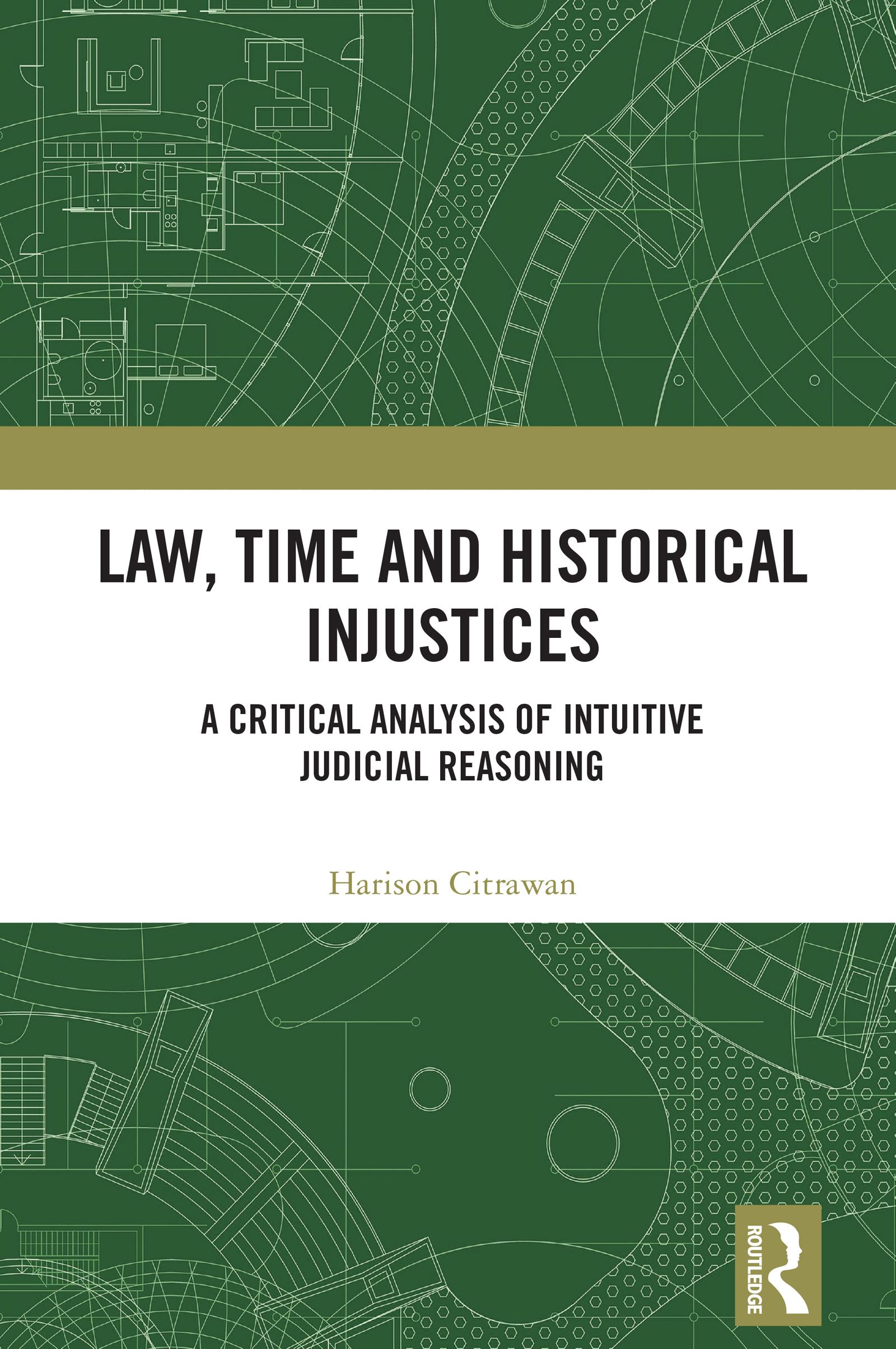
This book provides a critical assessment of how judges reason in the adjudication of historical injustices.
The practice of adjudication in historical cases of injustice require that, in determining collective responsibility, judges impart meaning to past injuries. This book analyses the narrative mechanisms through which this meaning is produced. Focusing on three areas of adjudication–racial discrimination, post-colonial extractivism and the climate crisis–the book’s analysis focuses on the issue of time. It considers the interplay of how historical injustice adjudication is shaped by temporal presuppositions and how it enacts a particular idea of temporality. As experiences of injustice are narrated, the book demonstrates how some of those experiences are included and others are excluded within the process of adjudication. Drawing on legal theory, legal epistemology and the philosophy of time, the book thus offers an instructive, and provocative, account of how collective responsibility is determined in cases of historical injustice.
This book will appeal to scholars working in the fields of legal theory, legal reasoning, socio-legal studies, comparative jurisprudence and transitional justice.
Betaal eenvoudig met kaart, Klarna, Apple Pay of Google Pay. Niet tevreden? Je hebt altijd 14 dagen bedenktijd. Lees meer in onze voorwaarden. Heb je vragen, mail ons dan via hello@memmo.org.
Memmo maakt studeren makkelijker – waar je ook bent ter wereld. Wij brengen je cursusboeken en slimme studietools samen op één plek: samenvattingen, quizzen, podcasts en flashcards. En Ted, je studievriend die antwoord geeft op alles wat je je afvraagt. Meer dan 50.000 studenten studeren hier al – gebouwd om je sneller te laten leren en minder stress te geven.