
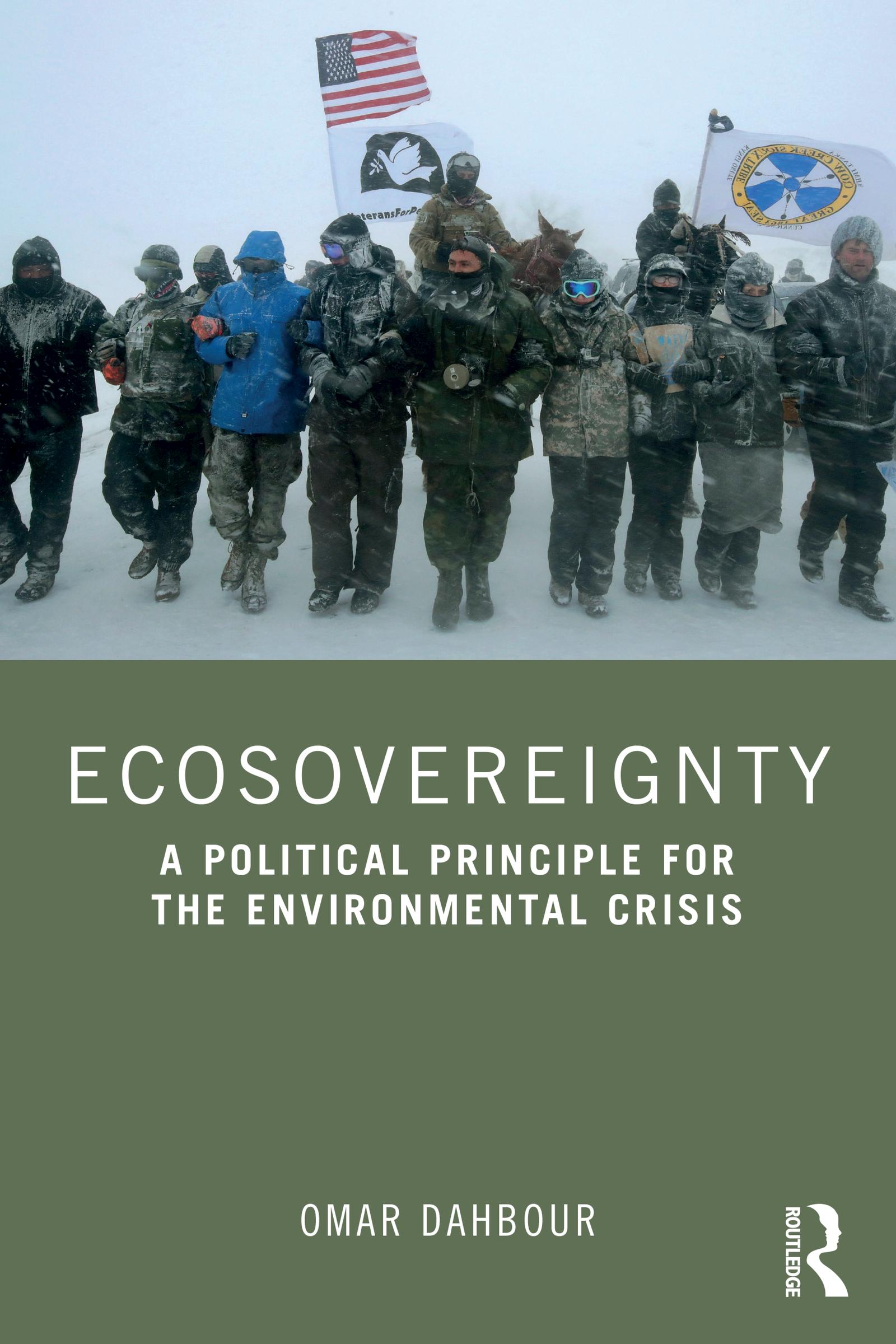
In this book, Omar Dahbour develops the idea of ecosystem sovereignty, calling for a reinterpretation of some essential concepts in political philosophy, including territoriality, self-determination, peoplehood, and sovereignty, in order to make the case for peoples’ rights to protect and maintain their natural environments. In doing so, he theorizes current and historical struggles against resource extractions and land grabs, especially by food sovereignty and indigenous rights movements.
The basic idea of ecosovereignty is that peoples living in relation to particular ecosystems have a collective right to ultimate authority over those systems and the resources they contain—provided they manage them sustainably. Dahbour argues that this authority has a legitimacy that overrides that of larger states, at least with regard to matters of environmental management. Ecosovereignty claims may strengthen challenges by peoples to states and corporations seeking to control and transform lands and waters for development, against the wishes of their inhabitants. Dahbour hopes the idea will provide a powerful tool for halting extractivism and ecocide, along with the extreme violence that these processes use against farming, indigenous peoples, and nature.
Connecting political and environmental philosophy in an innovative way, Ecosovereignty: A Political Principle for the Environmental Crisis will keep scholars and students informed about an increasingly important topic.
Betaal eenvoudig met kaart, Klarna, Apple Pay of Google Pay. Niet tevreden? Je hebt altijd 14 dagen bedenktijd. Lees meer in onze voorwaarden. Heb je vragen, mail ons dan via hello@memmo.org.
Memmo maakt studeren makkelijker – waar je ook bent ter wereld. Wij brengen je cursusboeken en slimme studietools samen op één plek: samenvattingen, quizzen, podcasts en flashcards. En Ted, je studievriend die antwoord geeft op alles wat je je afvraagt. Meer dan 50.000 studenten studeren hier al – gebouwd om je sneller te laten leren en minder stress te geven.