
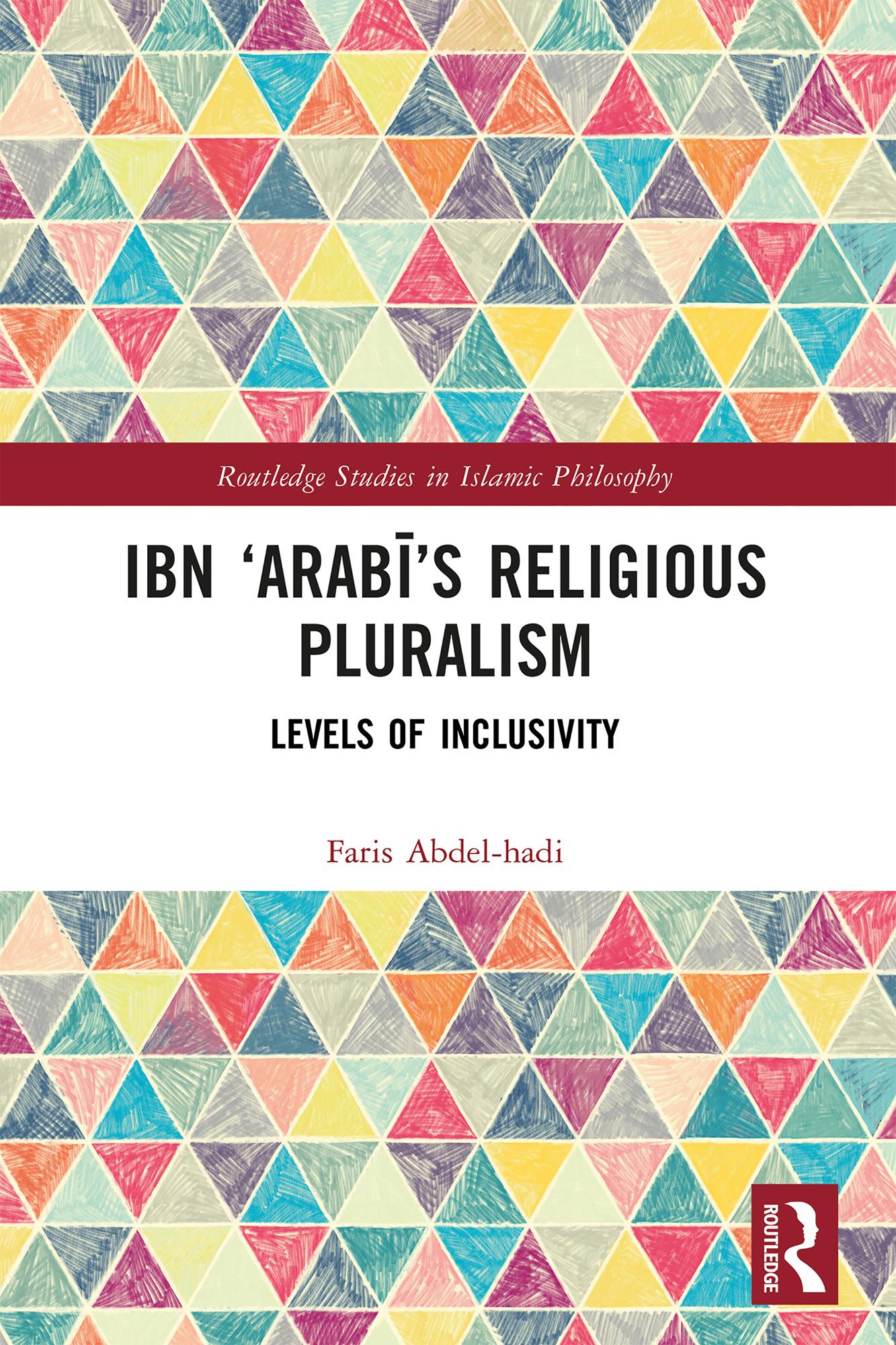
This book marks a significant contribution to the debate around Ibn ʿArabī’s religious pluralism, focusing on his multifaceted approach to non-Abrahamic religions.
For nearly eight hundred years, the writings and ideas of the great Spanish Sufi master Ibn ʿArabī have shaped Islamic intellectual and spiritual culture, from North and West Africa and France on the one hand, to Iran, the Levant, Central Asia, and the Far East on the other. Modern scholarship on the “Greatest Master” is consequently at an all-time high. This book weighs in on a well-known aspect of his religious worldview, namely his perspective on religious pluralism, but does so from an entirely different angle. Offering a very close reading of his major works, newly translated by the author, and paying particular attention to a highly developed celestial metaphor prompted by his encounter with a group of pagan sun-worshippers, the book offers new insights into the nature and scope of Ibn ʿArabī’s understanding of Islamic inclusivism. Ultimately, the book contributes to our understanding of both interfaith dialogue and the history of world religions through the prism of Ibn ʿArabī’s work.
The book will be of particular interest to students and scholars working in a range of fields, including Islamic philosophy, Sufism, and intellectual history.
Betaal eenvoudig met kaart, Klarna, Apple Pay of Google Pay. Niet tevreden? Je hebt altijd 14 dagen bedenktijd. Lees meer in onze voorwaarden. Heb je vragen, mail ons dan via hello@memmo.org.
Memmo maakt studeren makkelijker – waar je ook bent ter wereld. Wij brengen je cursusboeken en slimme studietools samen op één plek: samenvattingen, quizzen, podcasts en flashcards. En Ted, je studievriend die antwoord geeft op alles wat je je afvraagt. Meer dan 50.000 studenten studeren hier al – gebouwd om je sneller te laten leren en minder stress te geven.