
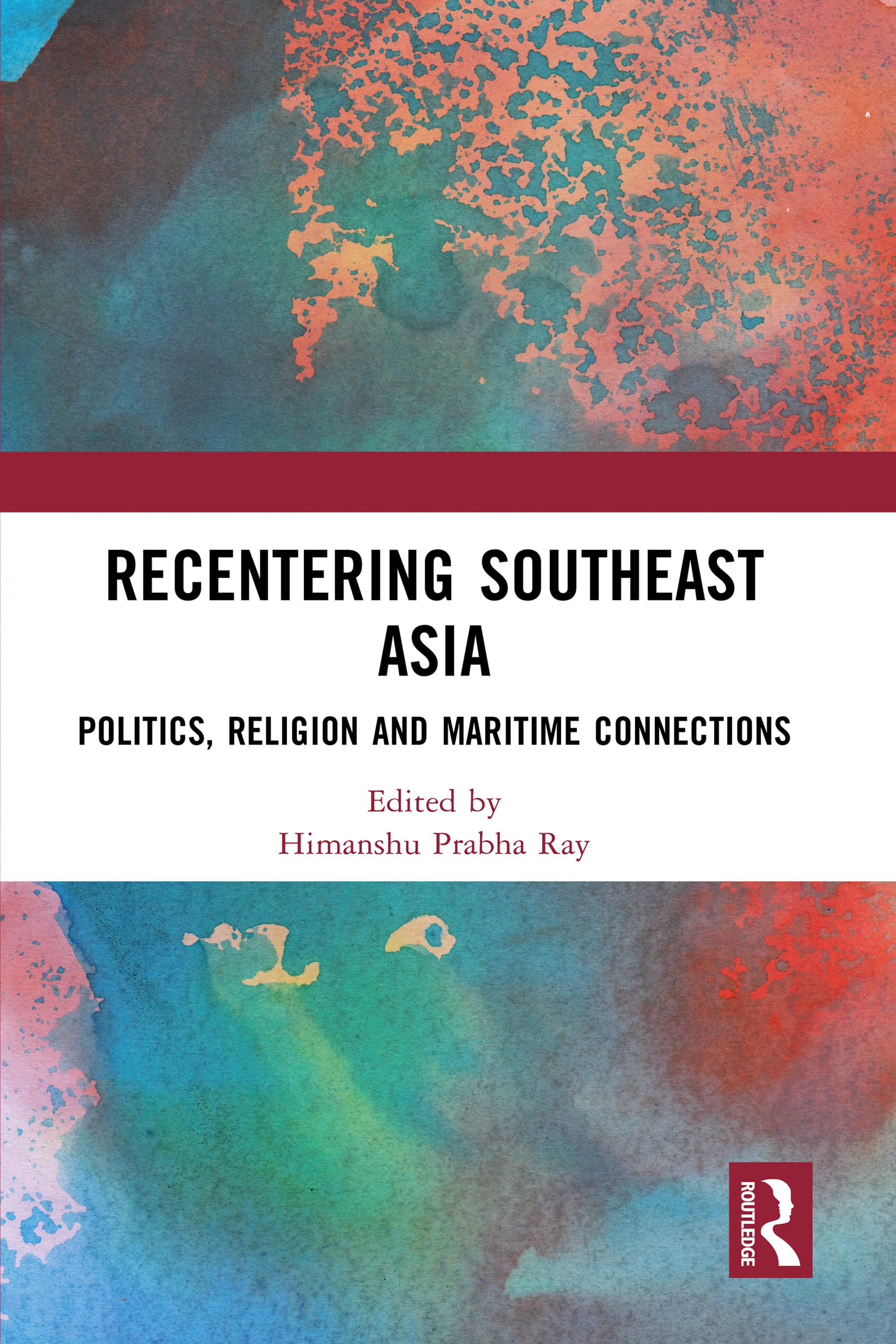
This book assesses the impact of European colonization in the late 19th and early 20th century in ‘restructuring’ the shared past of India and Southeast Asia. It provides case studies that transcend colonial constructs and adopt newer approaches to understanding the shared past. The authors explore these developments through the lens of political figures like Jawaharlal Nehru (1889–1964) and re-examine themes such as the Greater India Society (1926–1959) established in Calcutta, and the role of Buddhism in post-World War II connections, as the repatriation of the mortal remains of Japanese soldiers killed in Burma (Myanmar) acquired urgency.
Drawing on a diverse range of sources including archaeology, Buddhist texts, the afterlives of the Hindu temples, maritime networks, and inscriptions from Vietnam and central India, the book will be an essential read for scholars and researchers of history, Buddhism, archaeology, heritage studies, cultural studies, and political history as well as South and Southeast Asian history.
Betaal eenvoudig met kaart, Klarna, Apple Pay of Google Pay. Niet tevreden? Je hebt altijd 14 dagen bedenktijd. Lees meer in onze voorwaarden. Heb je vragen, mail ons dan via hello@memmo.org.
Memmo maakt studeren makkelijker – waar je ook bent ter wereld. Wij brengen je cursusboeken en slimme studietools samen op één plek: samenvattingen, quizzen, podcasts en flashcards. En Ted, je studievriend die antwoord geeft op alles wat je je afvraagt. Meer dan 50.000 studenten studeren hier al – gebouwd om je sneller te laten leren en minder stress te geven.