
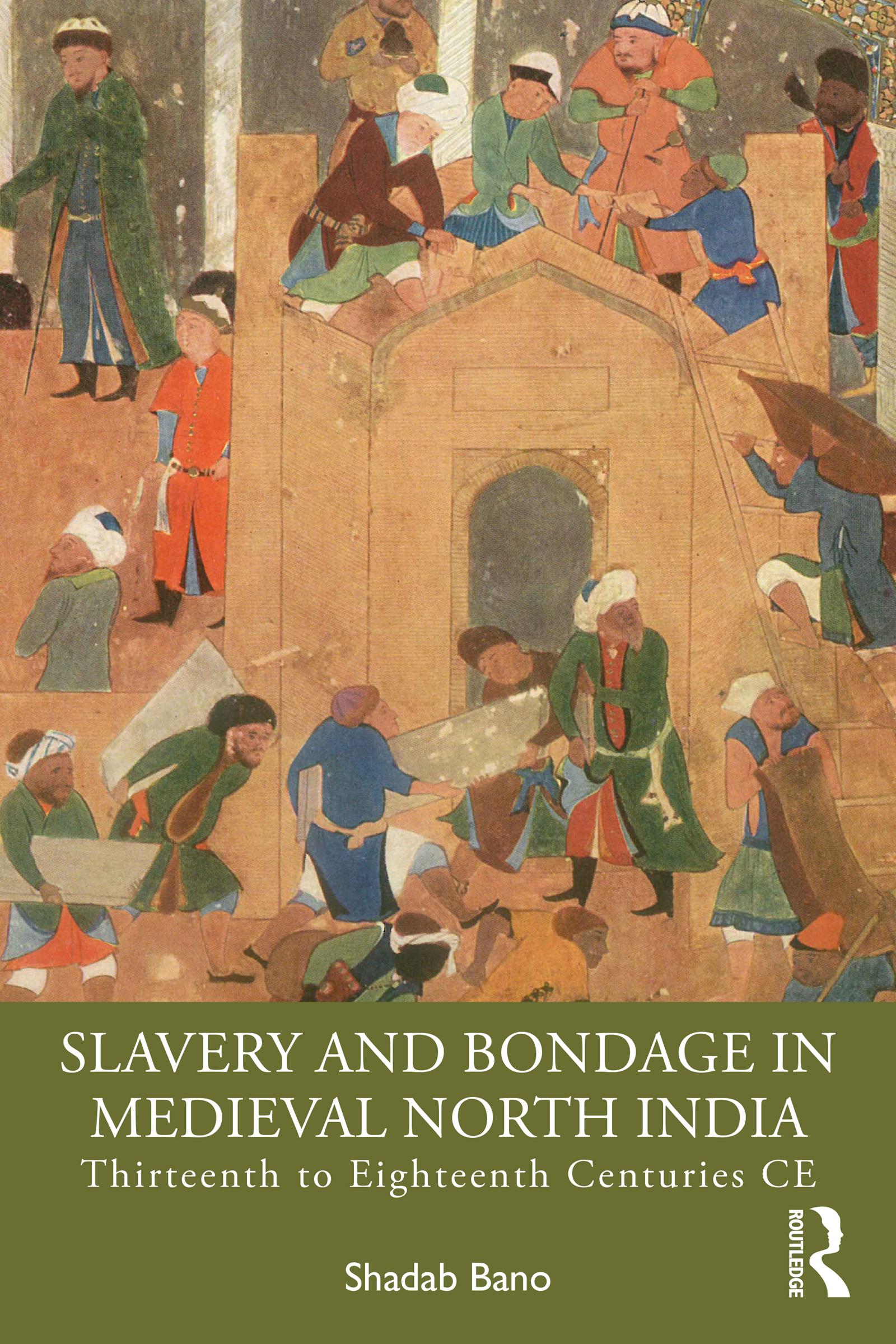
This book examines slavery in India from the Turkish conquest of North India to the centuries of Mughal rule. It focuses on the northern Islamic regimes’ treatment of slavery but not limited or determined by the actions and demands of the ruling class alone. Societies normalized the practices, and the norms were socially constituted, which included slaves’ acceptance, resistance, and use of agency in the process. It shows how the transformations on the ground made the social-economic and ethical environment of slavery no longer the same over the centuries and the expansion or contraction of slavery corresponded to the structural changes and ethical developments specific to the Indian milieu.
The volume will be of great interest to scholars and researchers of South Asian studies, history and slavery.
Betaal eenvoudig met kaart, Klarna, Apple Pay of Google Pay. Niet tevreden? Je hebt altijd 14 dagen bedenktijd. Lees meer in onze voorwaarden. Heb je vragen, mail ons dan via hello@memmo.org.
Memmo maakt studeren makkelijker – waar je ook bent ter wereld. Wij brengen je cursusboeken en slimme studietools samen op één plek: samenvattingen, quizzen, podcasts en flashcards. En Ted, je studievriend die antwoord geeft op alles wat je je afvraagt. Meer dan 50.000 studenten studeren hier al – gebouwd om je sneller te laten leren en minder stress te geven.