
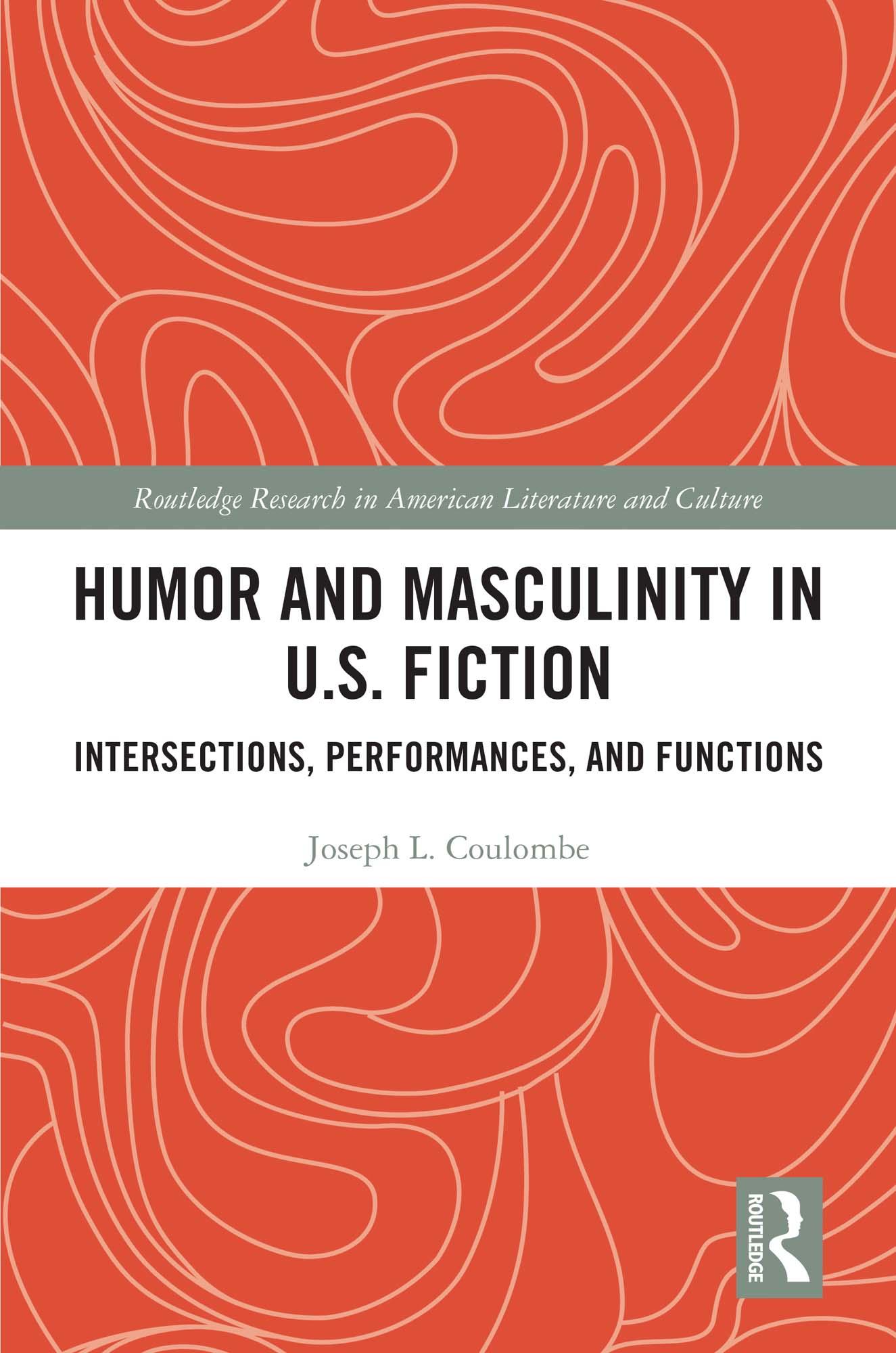
Humor and Masculinity in U.S. Fiction offers a pragmatic and theoretically informed model for analyzing how humor and gender intersect in key U.S. texts, bringing much-needed attention to the complex ways that humor can support and/or subvert reductive masculine codes and behaviors. Its argument builds upon three major humor theories – the incongruity theory, superiority theory, and relief theory – to analyze how humor is used to negotiate the shifting constructions of masculinity and manhood in American culture and literature. Focusing on explicit textual references to joking, pranks, and laughter, Humor and Masculinity in U.S. Fiction offers well-supported, original interpretations of works by Mark Twain, Owen Wister, Dorothy Parker, Zora Neale Hurston, Joseph Heller, Philip Roth, and Sherman Alexie. The primary goal of Humor and Masculinity in U.S. Fiction is to understand the multiple ways that humor performs and interrogates masculinity in seminal U.S. texts.
Betaal eenvoudig met kaart, Klarna, Apple Pay of Google Pay. Niet tevreden? Je hebt altijd 14 dagen bedenktijd. Lees meer in onze voorwaarden. Heb je vragen, mail ons dan via hello@memmo.org.
Memmo maakt studeren makkelijker – waar je ook bent ter wereld. Wij brengen je cursusboeken en slimme studietools samen op één plek: samenvattingen, quizzen, podcasts en flashcards. En Ted, je studievriend die antwoord geeft op alles wat je je afvraagt. Meer dan 50.000 studenten studeren hier al – gebouwd om je sneller te laten leren en minder stress te geven.