
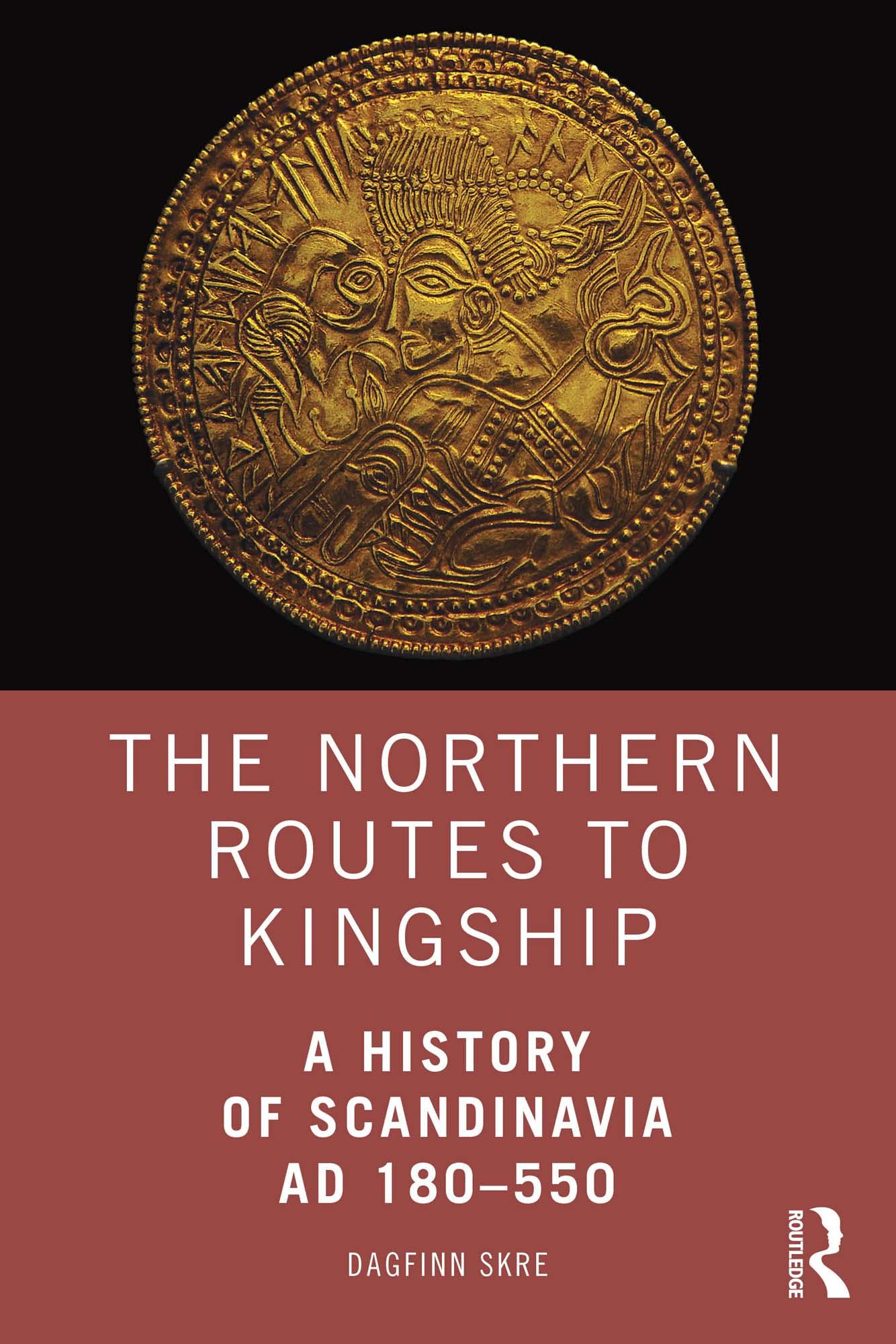
This book argues that tribal Scandinavia was set on the route to kingship by the arrival in the AD 180s–90s of warrior groups that were dismissed from the Roman army after defeating the Marcomanni by the Danube.
Using a range of evidence, this book details how well-equipped and battle-seasoned warriors, familiar with Roman institutions and practices, seized land and established lordly centres. It shows how these new lords acquired wealth by stimulating the production of commodities for trade with peers and Continental associates, Romans included, to reward retainers and bestow on partners. In these transcultural circumstances, lords and their retainers nurtured artisanal production of exquisite quality and developed a heroic ethos and refined hall etiquette. The topic of warfare, created by the volatile politics of lordly cooperation and competition, is also explored. Venturing substantially beyond the usual scope of syntheses of this period, this book looks at how the break-up of the Western Roman Empire and the rise of 'Great tribes' such as the Franks and Goths influenced lords and tribal leaders across Scandinavia to form kingdoms, emulating what they for centuries had considered the superior polity, the Roman Empire.
This book’s fresh take on disputed research topics will inspire scholars, students, and interested readers to delve further into this pivotal period of European history.
Betaal eenvoudig met kaart, Klarna, Apple Pay of Google Pay. Niet tevreden? Je hebt altijd 14 dagen bedenktijd. Lees meer in onze voorwaarden. Heb je vragen, mail ons dan via hello@memmo.org.
Memmo maakt studeren makkelijker – waar je ook bent ter wereld. Wij brengen je cursusboeken en slimme studietools samen op één plek: samenvattingen, quizzen, podcasts en flashcards. En Ted, je studievriend die antwoord geeft op alles wat je je afvraagt. Meer dan 50.000 studenten studeren hier al – gebouwd om je sneller te laten leren en minder stress te geven.