
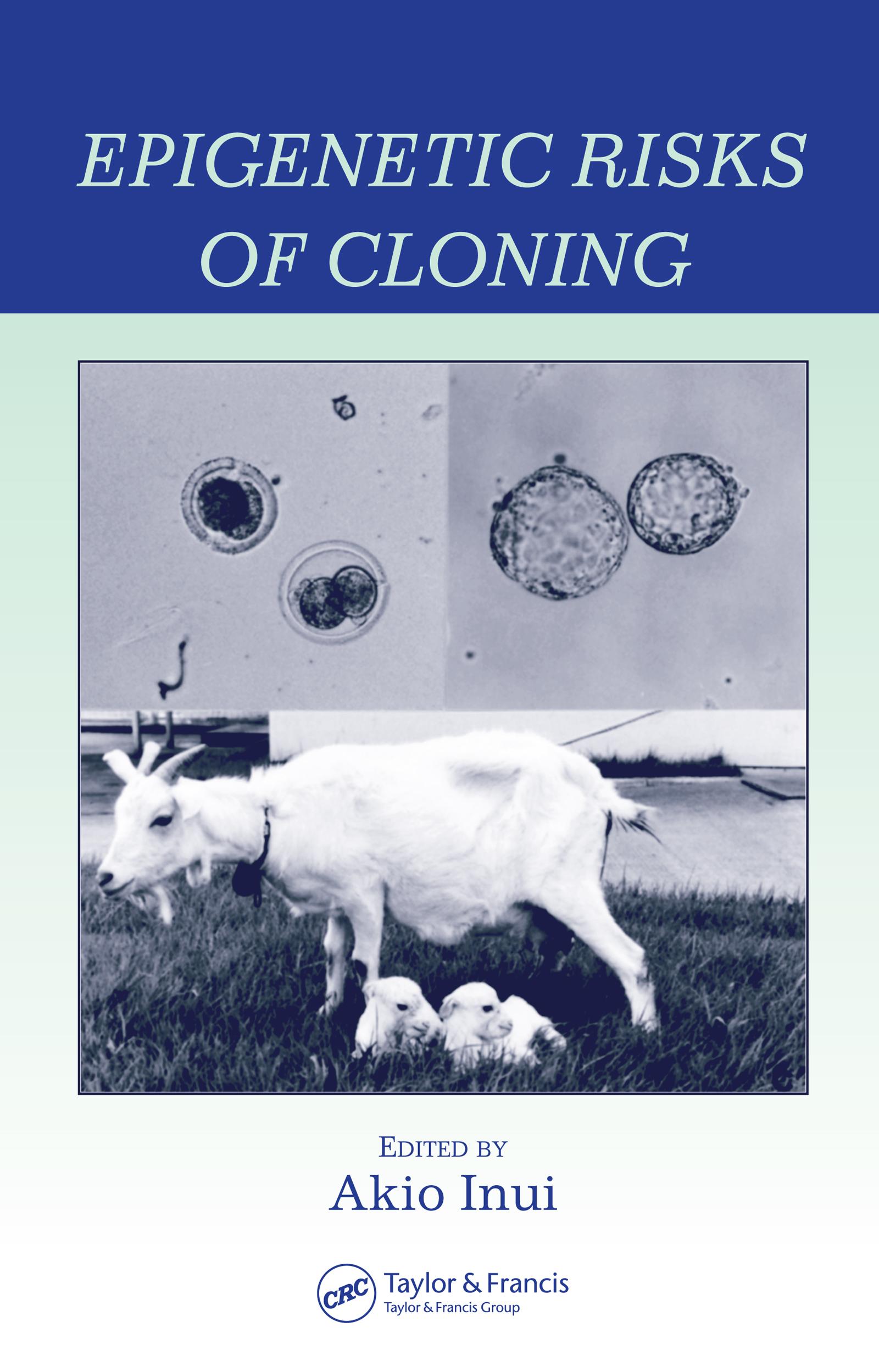
Cloning has the potential to be an extremely valuable tool across many fields. In agriculture, the reproductive cloning of farm animals could prove to be advantageous. In clinical medicine, the employment of therapeutic cloning for cell, tissue, and organ replacement appears to be imminent. In Epigenetic Risks of Cloning, 32 leading researchers detail the cloning methods being employed with various animal models, providing both a review of current findings and a discussion of potential concerns. Less than four percent of reconstructed embryos typically develop to adulthood, the cumulative result of inefficiencies occurring at every stage of development. This book considers the very real consequences of those inefficiencies: high rates of fetal, perinatal, and neonatal loss, as well as the production of abnormal offspring. At present, there is a legitimate concern that the propensity for epigenetic errors could be paralleled in human embryos.
Betaal eenvoudig met kaart, Klarna, Apple Pay of Google Pay. Niet tevreden? Je hebt altijd 14 dagen bedenktijd. Lees meer in onze voorwaarden. Heb je vragen, mail ons dan via hello@memmo.org.
Memmo maakt studeren makkelijker – waar je ook bent ter wereld. Wij brengen je cursusboeken en slimme studietools samen op één plek: samenvattingen, quizzen, podcasts en flashcards. En Ted, je studievriend die antwoord geeft op alles wat je je afvraagt. Meer dan 50.000 studenten studeren hier al – gebouwd om je sneller te laten leren en minder stress te geven.
Misschien vind je dit ook leuk
Koop het boek0