
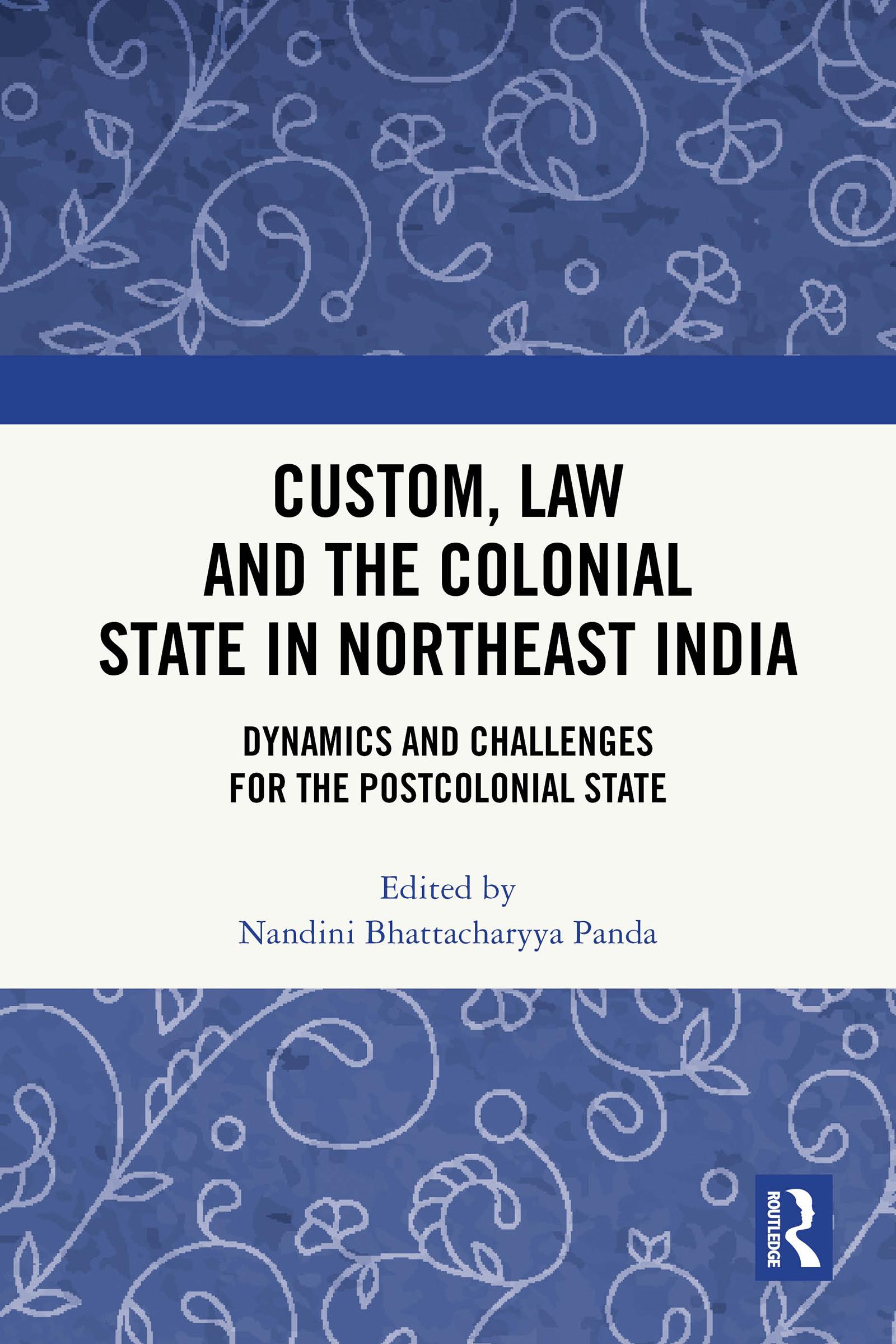
This volume presents a multidimensional analysis of the current operational law – both constitutional and customary – in Northeast India. It looks at how colonialism redesigned and redefined extant customary practices, leaving a permanent legacy on the legal governance and societal structure of the post-colonial Indian state.
The book interrogates “law” through a broad spectrum of issues including gender, partition, the legacy of colonial structures, and religion as a form of resistance against land grabbing and censorship. It delineates a distinct historical process of the evolution of law and custom and focuses on the intimate links between law and the dynamics of state, ethnicity, and governance.
As a unique contribution, the book offers new insights into how and why the continuity of colonial law within a democratic framework perpetuates deep-rooted problems in governance and the psyche of the people. It will be indispensable for students and researchers of history, law, anthropology, legal anthropology, sociology, Indian politics, and South Asian studies.
Betaal eenvoudig met kaart, Klarna, Apple Pay of Google Pay. Niet tevreden? Je hebt altijd 14 dagen bedenktijd. Lees meer in onze voorwaarden. Heb je vragen, mail ons dan via hello@memmo.org.
Memmo maakt studeren makkelijker – waar je ook bent ter wereld. Wij brengen je cursusboeken en slimme studietools samen op één plek: samenvattingen, quizzen, podcasts en flashcards. En Ted, je studievriend die antwoord geeft op alles wat je je afvraagt. Meer dan 50.000 studenten studeren hier al – gebouwd om je sneller te laten leren en minder stress te geven.