
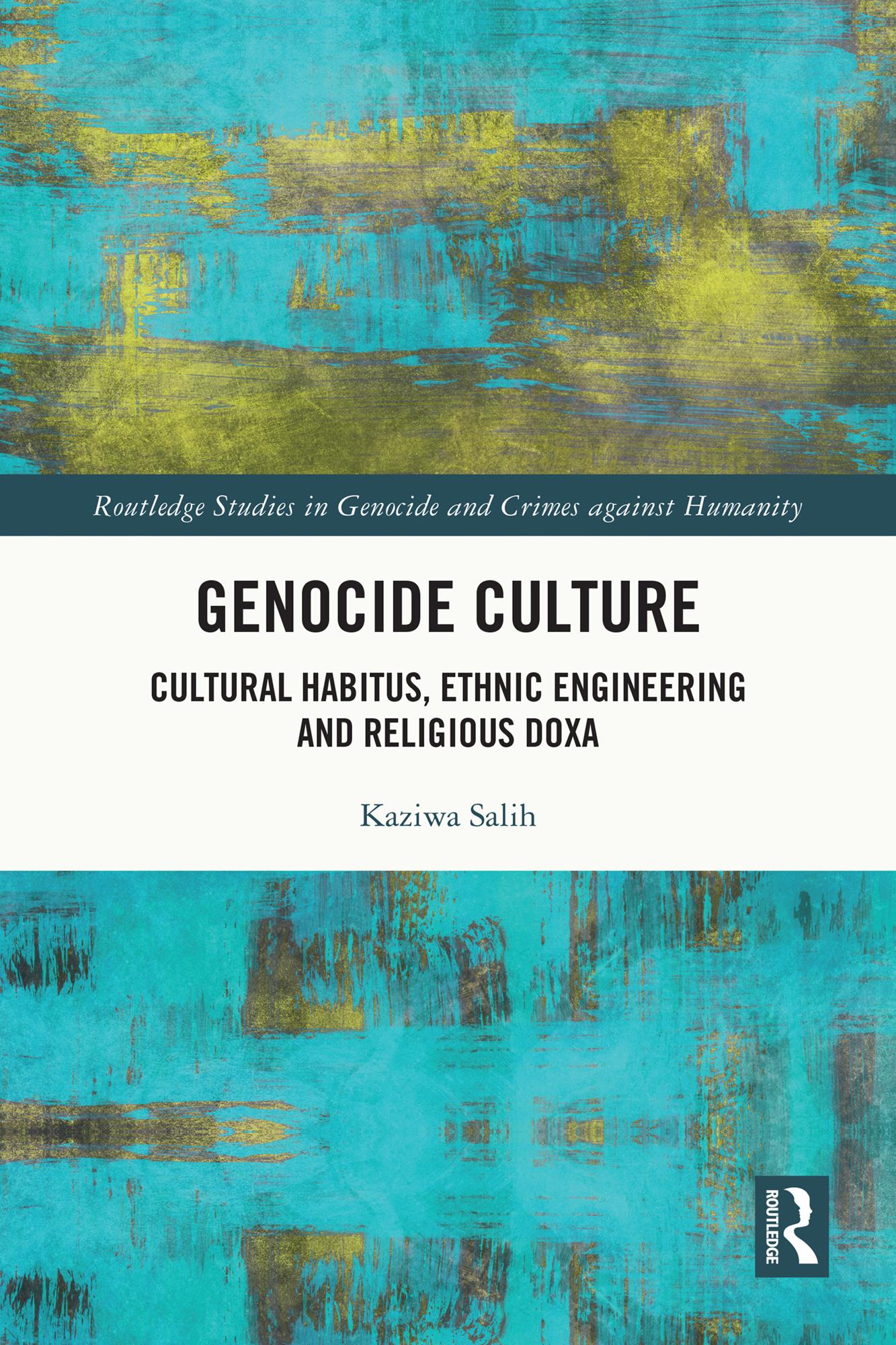
This book considers different stages of Kurdish history, oppression, and genocide through a critical lens, offering an historiography of Iraq and colonialism. Divided into two parts, the first part conceptualizes the coined term “genocide culture” and examines dominant Iraqi cultural practices that fostered genocide. The second part contextualizes the experiences of the Kurdish community to examine the effects of cultural practices and the role of “civilian actors” in fueling the extermination of targeted groups.
Through semi-structured interviews, primary archival documents, and nonparticipant observation, the author studies the links between everyday cultural practices and microaggression in general and the nexus between the state and the general population in the implementation of macroaggression and genocide. The audience will include scholars and students interested in genocide studies and the relation of both genocide and culture to histories of colonialism, as well as those working in the fields of violence and cultural psychology, sociology, history, international relations, ethnic conflict, and Middle Eastern studies.
Betaal eenvoudig met kaart, Klarna, Apple Pay of Google Pay. Niet tevreden? Je hebt altijd 14 dagen bedenktijd. Lees meer in onze voorwaarden. Heb je vragen, mail ons dan via hello@memmo.org.
Memmo maakt studeren makkelijker – waar je ook bent ter wereld. Wij brengen je cursusboeken en slimme studietools samen op één plek: samenvattingen, quizzen, podcasts en flashcards. En Ted, je studievriend die antwoord geeft op alles wat je je afvraagt. Meer dan 50.000 studenten studeren hier al – gebouwd om je sneller te laten leren en minder stress te geven.