
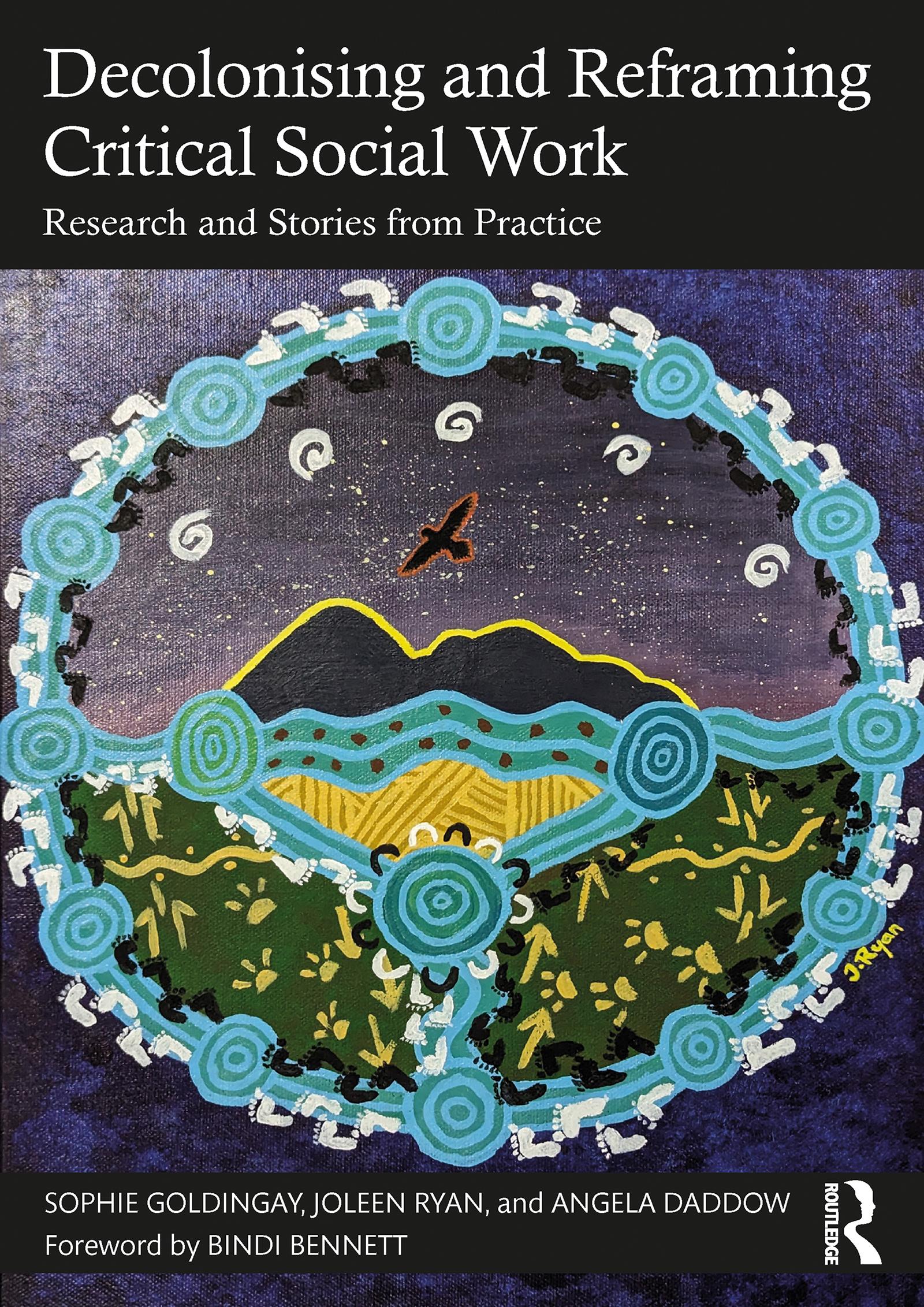
This book problematises and then reshapes critical social work to bring a range of perspectives to what constitutes truly effective and ethical social work practice, moving beyond binary oppositions (where two states or concepts are defined as opposite to each other) to create new words and concepts to be inclusive of a range of identities, practice contexts, and groups or communities of service users.
Currently, critical social work, derived from sociological critical theories proliferated in the 1960s, enjoys dominance as the theory that encompasses the ethical principles of social work in Australia. While on the surface critical social work appears to align with the Australian Association of Social Workers’ (AASW) ethical principles of social justice, professional integrity, and respect for persons, practitioners, and students alike find enacting it can be problematic in complex practice situations.
Reporting original research of cases from the field, the book focuses on the impact of intersectionality and shows new ways to address the nuance of othering and modern-day colonialism.
It will be of interest to researchers, practitioners, and students who are keen to engage with the latest in the field of critical social work and consider implications of this for the development of their own identity.
Betaal eenvoudig met kaart, Klarna, Apple Pay of Google Pay. Niet tevreden? Je hebt altijd 14 dagen bedenktijd. Lees meer in onze voorwaarden. Heb je vragen, mail ons dan via hello@memmo.org.
Memmo maakt studeren makkelijker – waar je ook bent ter wereld. Wij brengen je cursusboeken en slimme studietools samen op één plek: samenvattingen, quizzen, podcasts en flashcards. En Ted, je studievriend die antwoord geeft op alles wat je je afvraagt. Meer dan 50.000 studenten studeren hier al – gebouwd om je sneller te laten leren en minder stress te geven.