
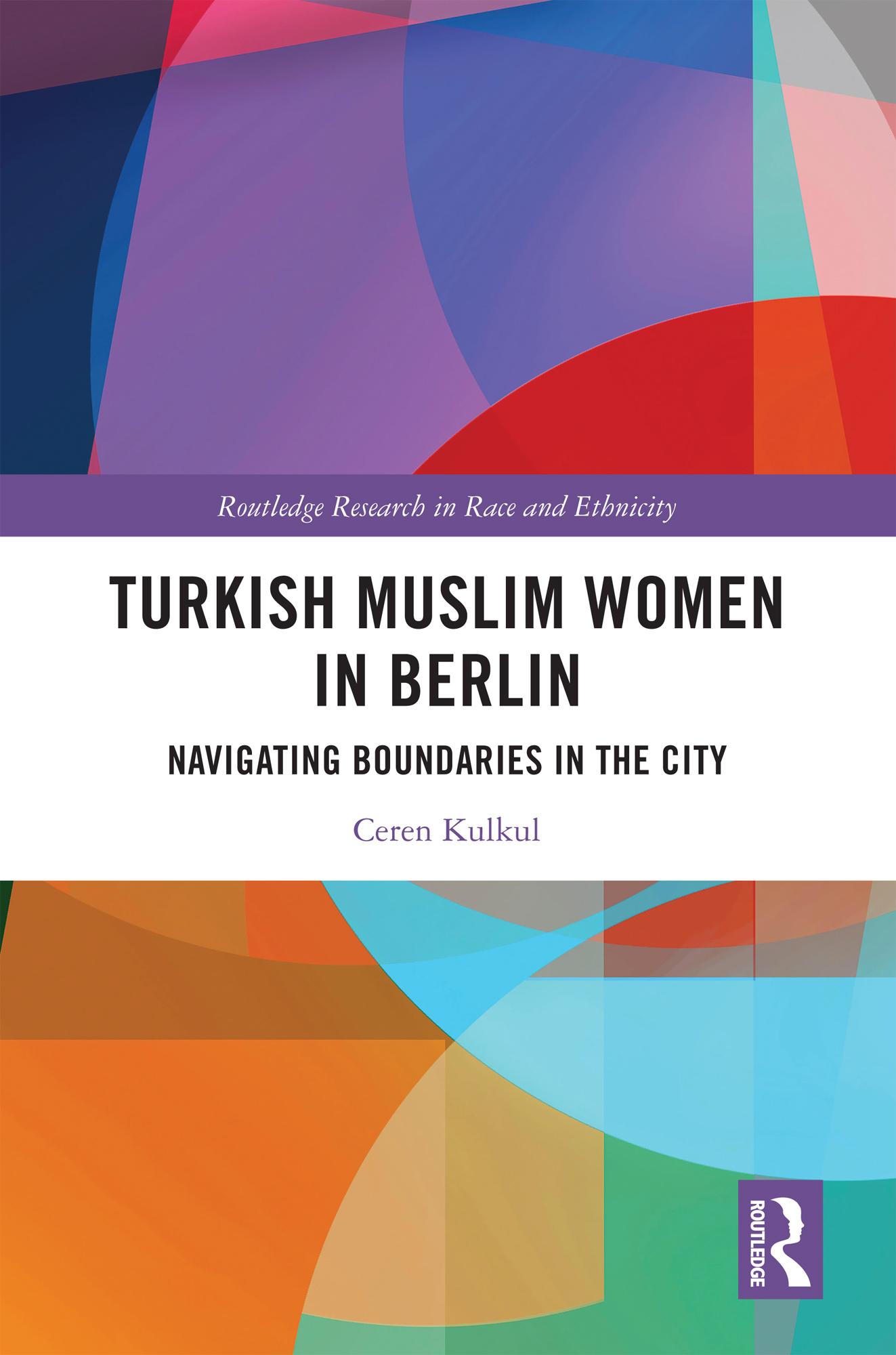
Kulkul presents her ethnographic work with Turkish Muslim women in Berlin as evidence that community is not an entity but is produced by instrumentalizing specific forms of identification and boundary-making.
In examining the role of community in the case of her participants, Kulkul finds that religion and culture are important not for the values they perpetuate, but for their role in forming and sustaining the community. She looks at the importance of boundaries and especially their reciprocity. Social boundaries are a set of codes of exclusion often used against migrants and refugees, while symbolic boundaries are typically understood as the way one defines one’s own group. Kulkul argues that these two types of boundaries tend to trigger each other and thus be mutually reinforcing. At the same time, she presents a picture of everyday life from the perspective of migrants and the children of migrants in a cosmopolitan European city – Berlin.
A valuable read for scholars of migration and culture, which will especially interest scholars focused on Europe.
Betaal eenvoudig met kaart, Klarna, Apple Pay of Google Pay. Niet tevreden? Je hebt altijd 14 dagen bedenktijd. Lees meer in onze voorwaarden. Heb je vragen, mail ons dan via hello@memmo.org.
Memmo maakt studeren makkelijker – waar je ook bent ter wereld. Wij brengen je cursusboeken en slimme studietools samen op één plek: samenvattingen, quizzen, podcasts en flashcards. En Ted, je studievriend die antwoord geeft op alles wat je je afvraagt. Meer dan 50.000 studenten studeren hier al – gebouwd om je sneller te laten leren en minder stress te geven.