
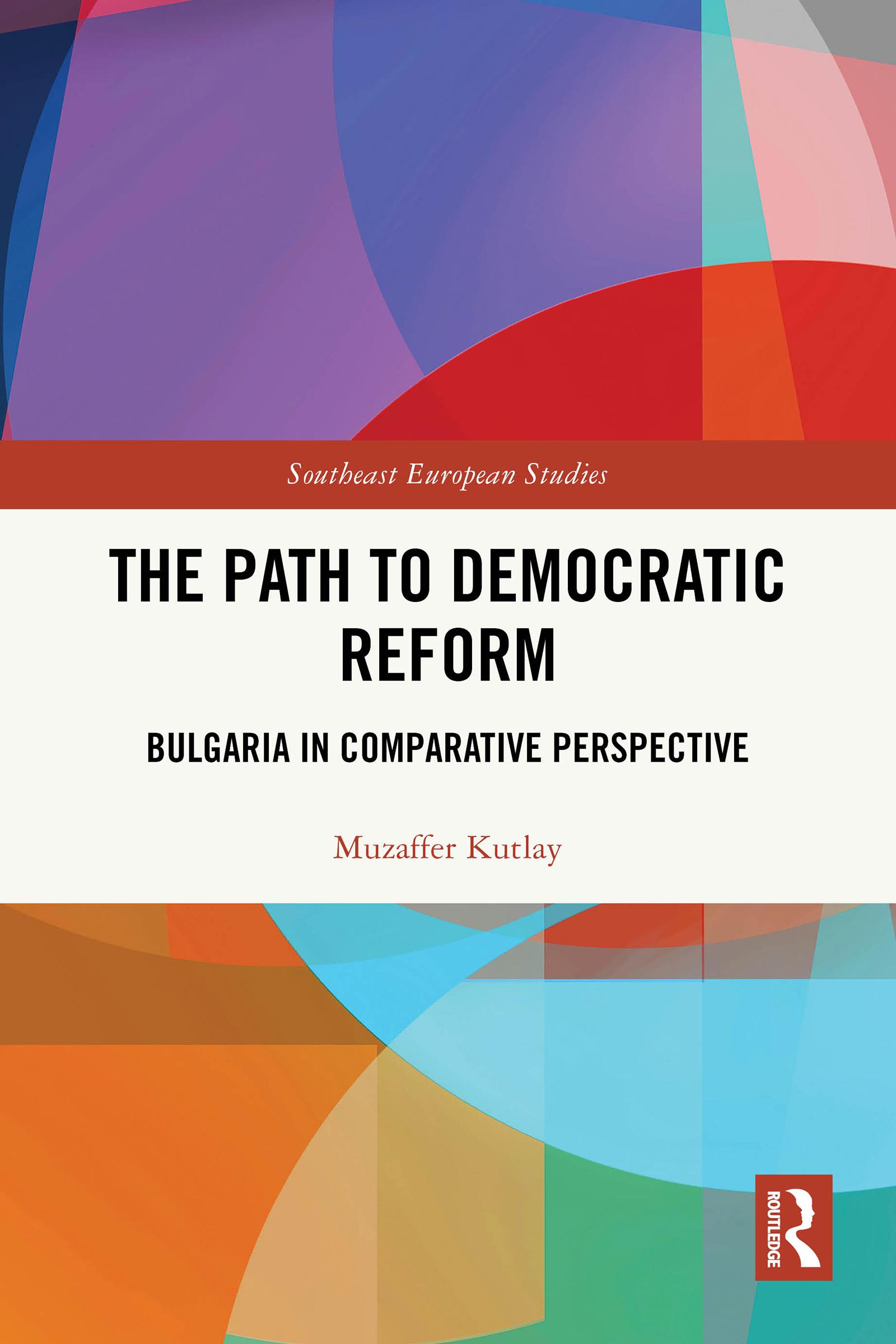
This book offers a comparative study of minority-majority relations in post-conflict societies. Drawing on three contentious cases – Bulgaria, Croatia, and Montenegro –it explores how pluralist governance structures are established in the area of minority rights in new EU member and candidate states and how reform resilience is ensured. The author shows the importance of cooperation and moderation between political elites in democratising countries, developing a comparative analysis of three understudied cases in the Balkans region and offering a conceptual framework based on extensive field research data and archive materials. Of great interest to both scholars and practitioners alike, this book identifies transferable policy lessons of interest to a global audience and specifies under which conditions substantial reforms should be carried out. It will appeal to a broad audience of students interested in international politics, European studies, state-mandated displacement, and ethnic studies.
Betaal eenvoudig met kaart, Klarna, Apple Pay of Google Pay. Niet tevreden? Je hebt altijd 14 dagen bedenktijd. Lees meer in onze voorwaarden. Heb je vragen, mail ons dan via hello@memmo.org.
Memmo maakt studeren makkelijker – waar je ook bent ter wereld. Wij brengen je cursusboeken en slimme studietools samen op één plek: samenvattingen, quizzen, podcasts en flashcards. En Ted, je studievriend die antwoord geeft op alles wat je je afvraagt. Meer dan 50.000 studenten studeren hier al – gebouwd om je sneller te laten leren en minder stress te geven.