
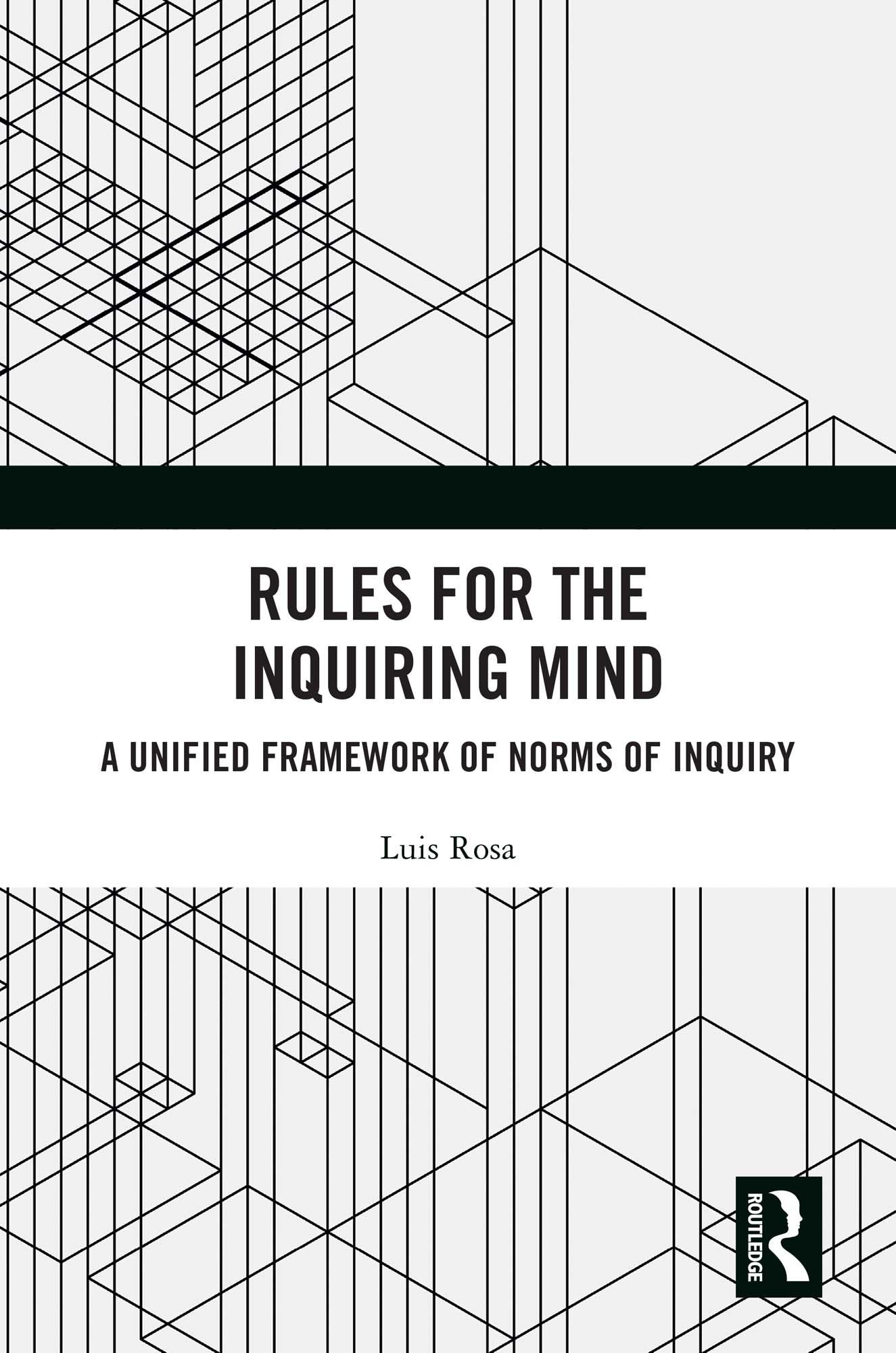
This book concerns the nature and the norms of inquiry. It tackles not only philosophical issues regarding what inquiry is, but also issues regarding how it should and should not be executed. Roughly put, inquiry is the activity of searching for the true answers to questions of our interest. But what is the difference between empirical and armchair inquiry? And what are the right and the wrong ways to inquire? Under what conditions should one start inquiring? Which questions are such that one should not inquire into them? The book offers answers to these questions. It argues that competent armchair inquiry only makes explicit what was already implicit—the inquirer already had the answer to her question before inquiring into it, though this was not explicit to her. It also argues that we should avoid inquiring into questions whose answers are unknowable to us, in the instrumental sense of 'should', and that different modes of inquiry are called for, depending on which type of information is available to the subject. These answers are rigorously argued for, and they stem from a unified framework for modeling the activity of inquiry.
Betaal eenvoudig met kaart, Klarna, Apple Pay of Google Pay. Niet tevreden? Je hebt altijd 14 dagen bedenktijd. Lees meer in onze voorwaarden. Heb je vragen, mail ons dan via hello@memmo.org.
Memmo maakt studeren makkelijker – waar je ook bent ter wereld. Wij brengen je cursusboeken en slimme studietools samen op één plek: samenvattingen, quizzen, podcasts en flashcards. En Ted, je studievriend die antwoord geeft op alles wat je je afvraagt. Meer dan 50.000 studenten studeren hier al – gebouwd om je sneller te laten leren en minder stress te geven.