
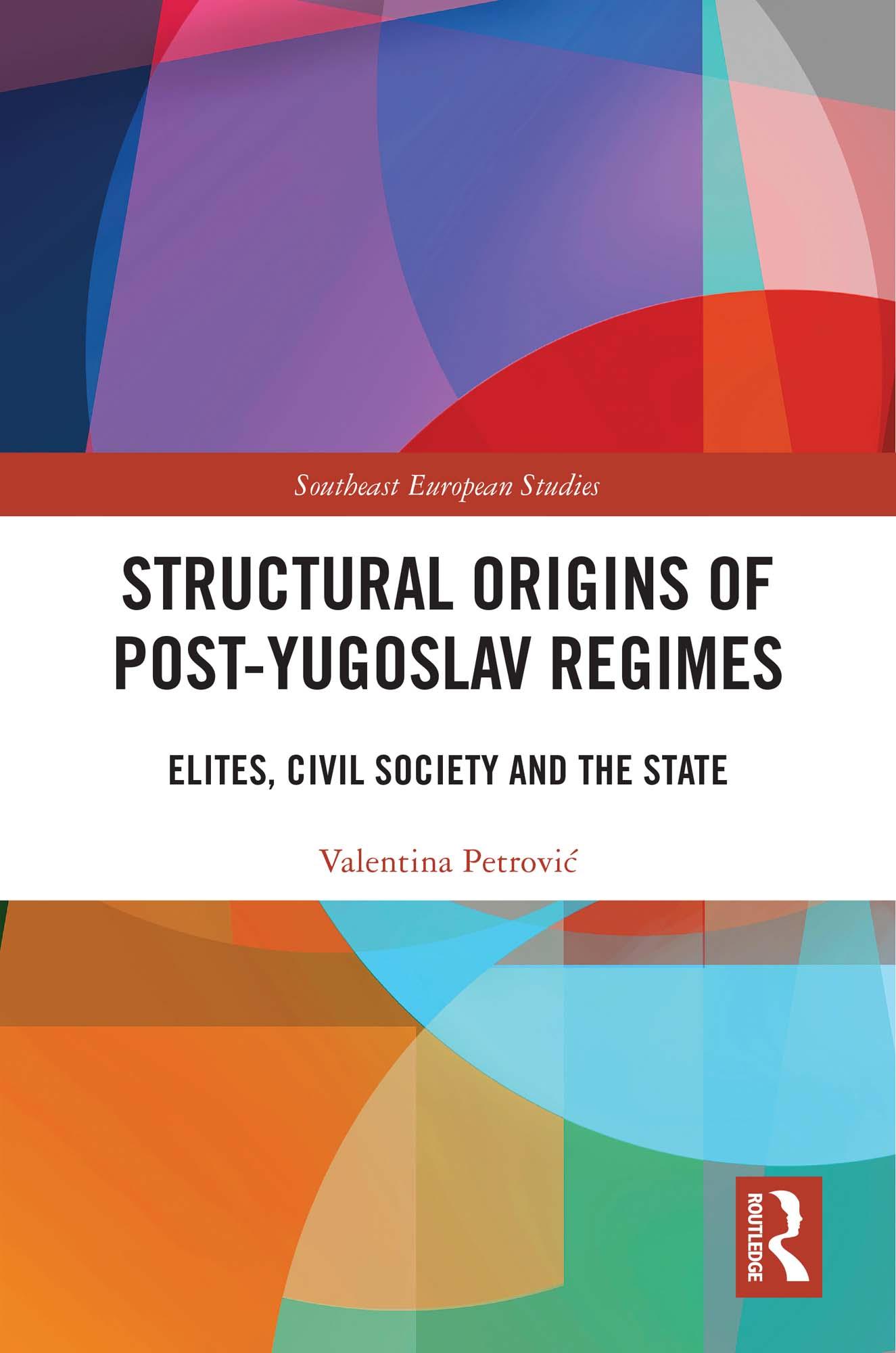
This analysis of the Yugoslav democratisation process explains the variation of regime outcomes within a structuralist framework. Focusing on the post‑socialist world, it goes beyond ethnicity and elite agency to bring the role of class and the state into discussions of third wave democracies. Offering an in‑depth study of four post‑Yugoslav cases and relying on extensive field work, it examines how civil society, state structures and elite agency influence the trajectories of Croatia, North Macedonia, Serbia and Slovenia after the end of socialism. The analysis also considers the impact of the European Union on domestic conditions. The author argues that no single factor explains the occurrence of democracy. It is instead the result of the combination of an autonomous civil society, a non‑captured state and ruling elites willing to implement democratic reforms. Concomitant with this, the analysis provides evidence that the only sufficient condition for the occurrence of democracy is non‑captured state structures. State capacity, therefore, plays a central role in democratisation. This book will be of interest to scholars and students of Eastern Europe, Southeastern Europe, the EU and democratisation, as well as to policymakers and nongovernmental organisations.
Betaal eenvoudig met kaart, Klarna, Apple Pay of Google Pay. Niet tevreden? Je hebt altijd 14 dagen bedenktijd. Lees meer in onze voorwaarden. Heb je vragen, mail ons dan via hello@memmo.org.
Memmo maakt studeren makkelijker – waar je ook bent ter wereld. Wij brengen je cursusboeken en slimme studietools samen op één plek: samenvattingen, quizzen, podcasts en flashcards. En Ted, je studievriend die antwoord geeft op alles wat je je afvraagt. Meer dan 50.000 studenten studeren hier al – gebouwd om je sneller te laten leren en minder stress te geven.