
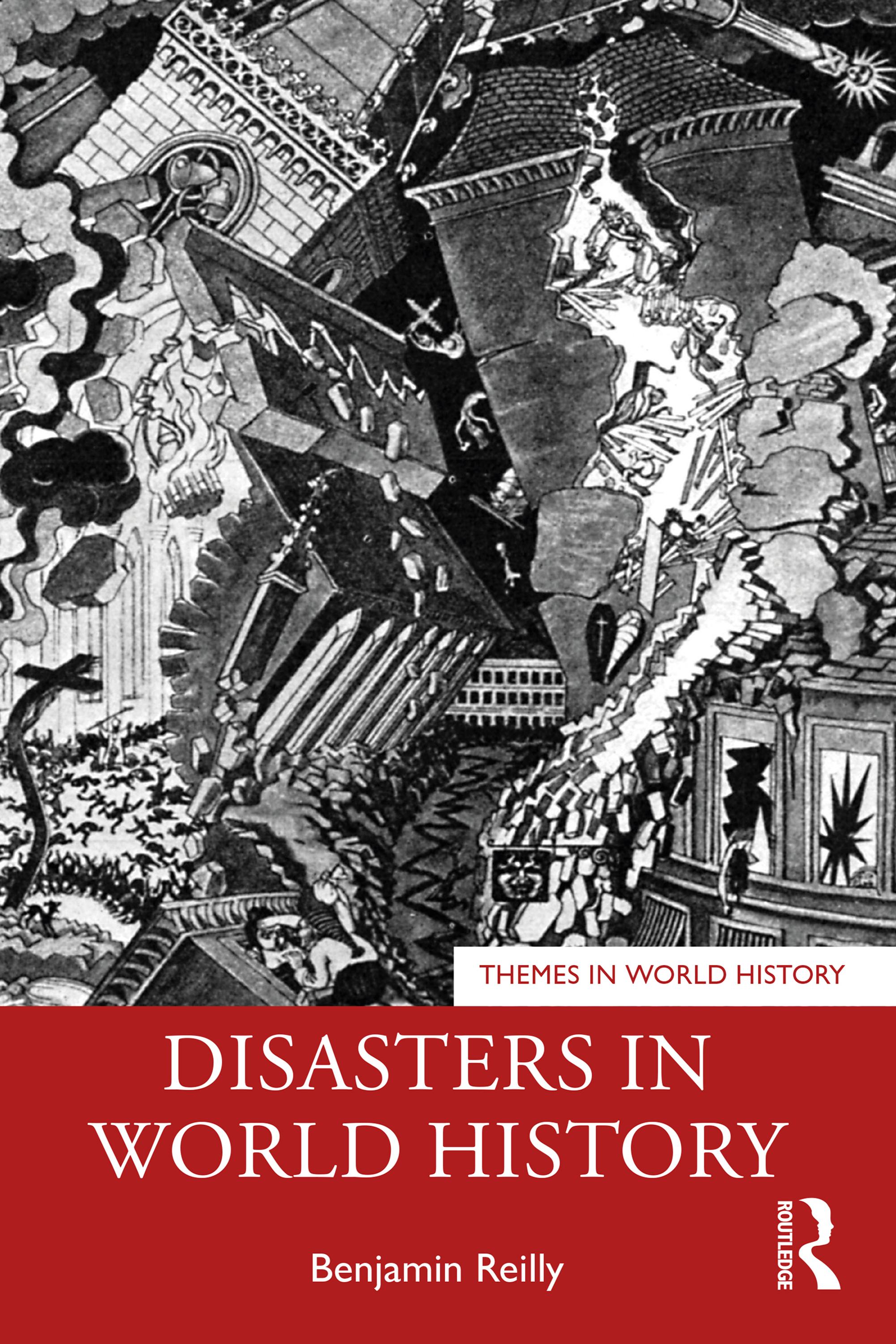
Disasters in World History surveys the development of disaster studies as a discipline as well as presenting historical case studies and theories used by historians to understand disasters. Disasters, here defined as the complex interaction between natural hazards and specific human vulnerabilities, have frequently left a mark on human history. Cataclysms have toppled dynasties, fueled massacres, and shaped the culture of societies frequently affected by natural hazards. This volume fosters understanding of such events by considering both social science theory and the natural science concepts relevant to disaster studies. In addition, the text makes heavy use of an emerging psychological theory relevant to disaster studies: the behavioral immune system, which helps to explain why xenophobic behavior and even violence often erupt in the aftermath of disasters. Chapters consider specific examples of disasters: earthquakes, tsunamis, volcanic eruptions, climate change (including modern anthropogenic climate change or global warming), and tropical cyclones.
This book is an accessible resource, ideal for undergraduates and instructors in world history, environmental history, and disaster studies courses.
Betaal eenvoudig met kaart, Klarna, Apple Pay of Google Pay. Niet tevreden? Je hebt altijd 14 dagen bedenktijd. Lees meer in onze voorwaarden. Heb je vragen, mail ons dan via hello@memmo.org.
Memmo maakt studeren makkelijker – waar je ook bent ter wereld. Wij brengen je cursusboeken en slimme studietools samen op één plek: samenvattingen, quizzen, podcasts en flashcards. En Ted, je studievriend die antwoord geeft op alles wat je je afvraagt. Meer dan 50.000 studenten studeren hier al – gebouwd om je sneller te laten leren en minder stress te geven.