
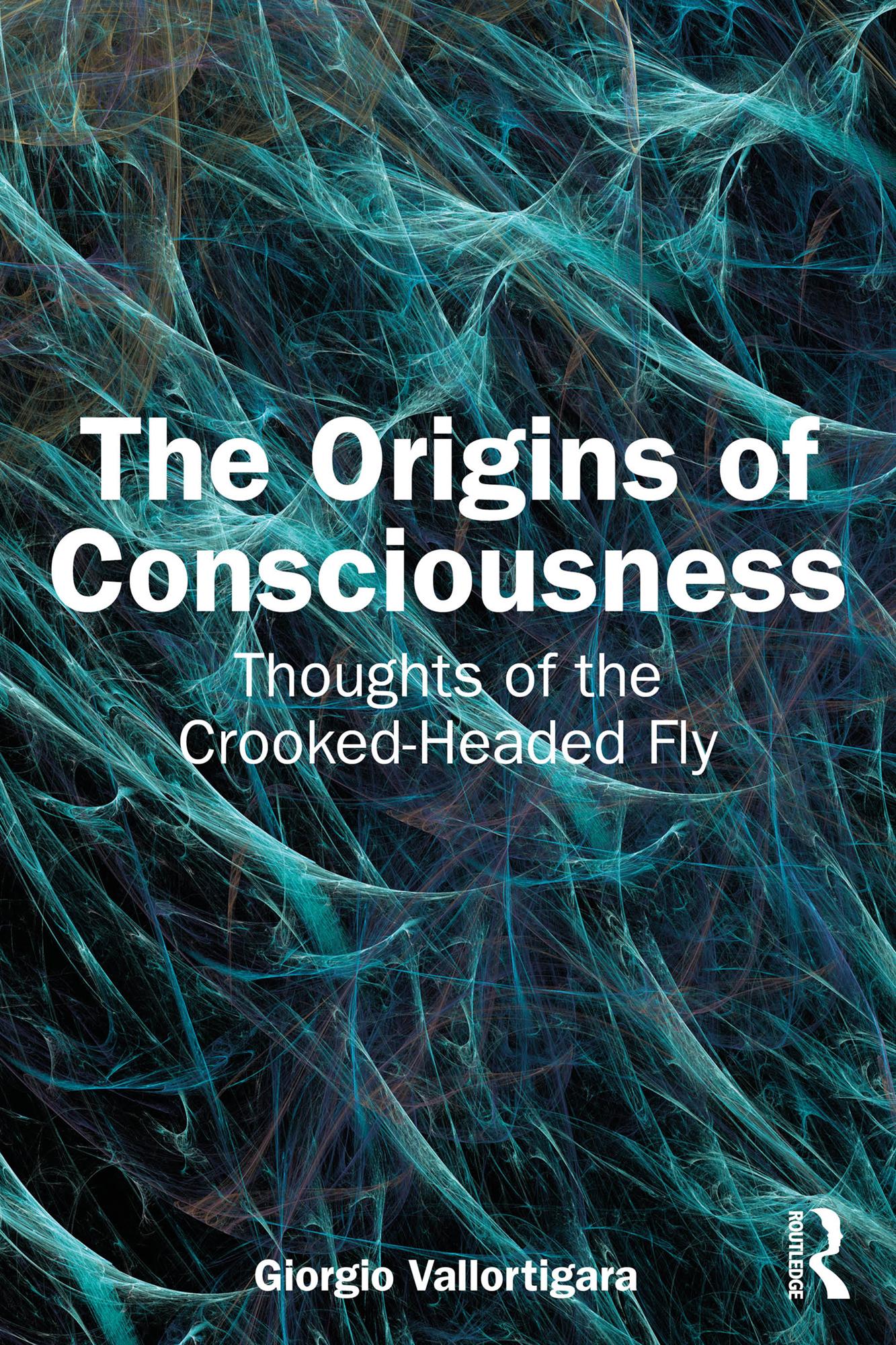
The Origins of Consciousness challenges the dominant view that consciousness is an emergent property of the complex human brain.
Based on his pioneering research on a variety of organisms, Vallortigara argues that the most basic forms of mental life do not require large brains, and that the neurological surplus observed in some animals such as humans is likely at the service of memory storage, not of the processes of thought or, even less, of consciousness. The book argues for a simple neural mechanism that can provide the crucial event that brings into effect the minimum condition for subjective experience. Implications of the hypothesis for the appearance of consciousness in different organisms are discussed, as well as links with a variety of fascinating human phenomena such as disorders of consciousness, tickling and visual illusions.
Challenging widely accepted theories of consciousness, the book is a must-read for students and researchers of human and animal consciousness.
Betaal eenvoudig met kaart, Klarna, Apple Pay of Google Pay. Niet tevreden? Je hebt altijd 14 dagen bedenktijd. Lees meer in onze voorwaarden. Heb je vragen, mail ons dan via hello@memmo.org.
Memmo maakt studeren makkelijker – waar je ook bent ter wereld. Wij brengen je cursusboeken en slimme studietools samen op één plek: samenvattingen, quizzen, podcasts en flashcards. En Ted, je studievriend die antwoord geeft op alles wat je je afvraagt. Meer dan 50.000 studenten studeren hier al – gebouwd om je sneller te laten leren en minder stress te geven.