
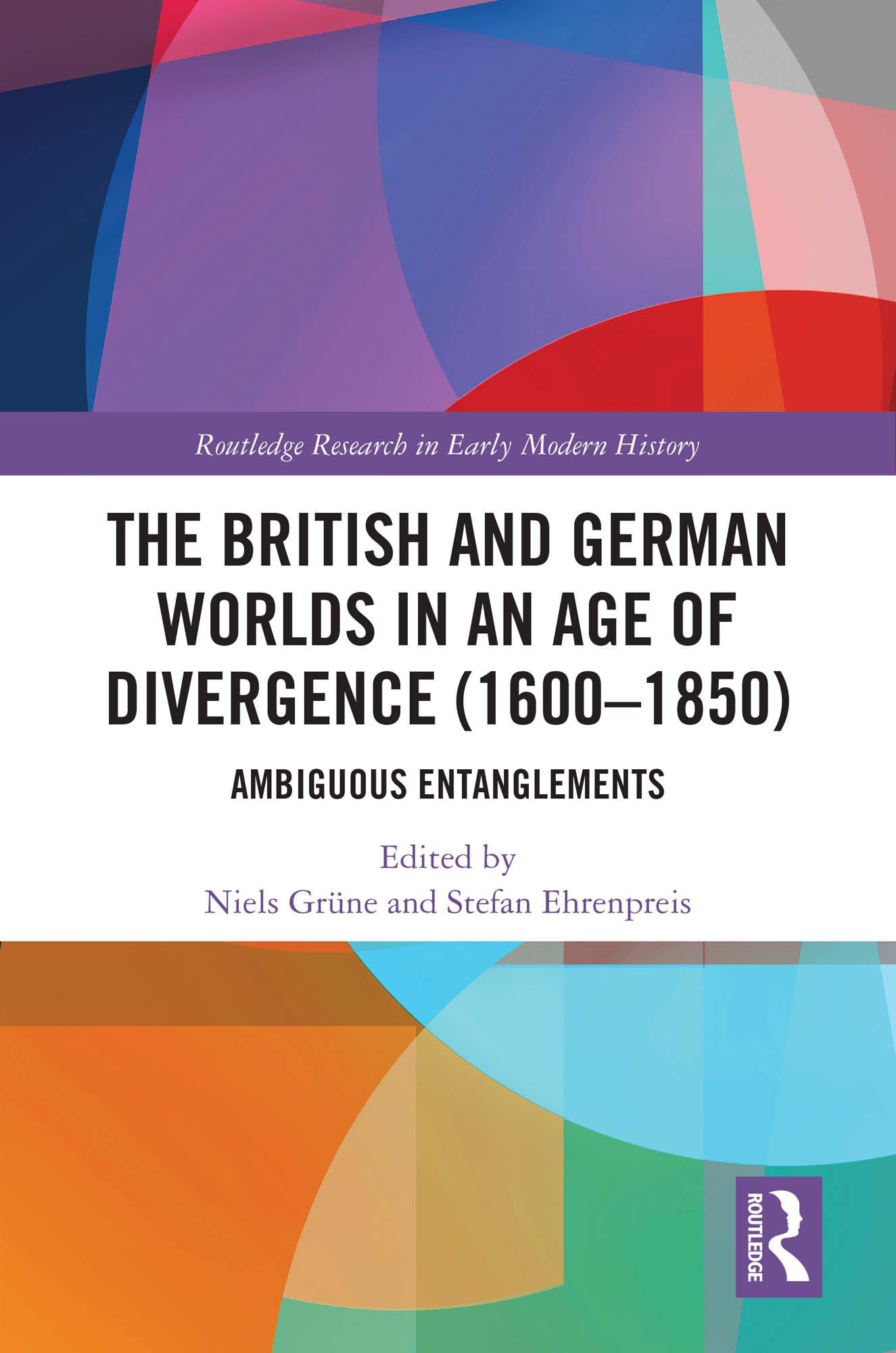
The question of whether Britain is "apart from or a part of Europe" (D. Abulafia) has gained significance in recent years. This book reassesses an underexplored field of early modern transnational history: the variety of ways in which connections between Britain and German-speaking Europe shaped developments.
After a comprehensive introduction, this book is divided into three parts: cross-border transfers and appropriations of knowledge; coping with alterity in intergovernmental contacts; and ideologising the cultural nation. The topics range from the exchange of religious and political ideas over court life, diplomacy, and espionage to literary and philosophical debates. Particular attention is paid to the media processes involved and to the practical value of knowledge about the "other" in different historical contexts. The picture emerging from the case studies reveals an intriguing dynamic: Mutual interest and ambiguous entanglements deepened precisely at a time when the British and German worlds diverged evermore from each other in terms of social and political structures.
This fascinating volume sheds new light on Anglo-German relations and will be essential reading for students of early modern European history.
Betaal eenvoudig met kaart, Klarna, Apple Pay of Google Pay. Niet tevreden? Je hebt altijd 14 dagen bedenktijd. Lees meer in onze voorwaarden. Heb je vragen, mail ons dan via hello@memmo.org.
Memmo maakt studeren makkelijker – waar je ook bent ter wereld. Wij brengen je cursusboeken en slimme studietools samen op één plek: samenvattingen, quizzen, podcasts en flashcards. En Ted, je studievriend die antwoord geeft op alles wat je je afvraagt. Meer dan 50.000 studenten studeren hier al – gebouwd om je sneller te laten leren en minder stress te geven.