
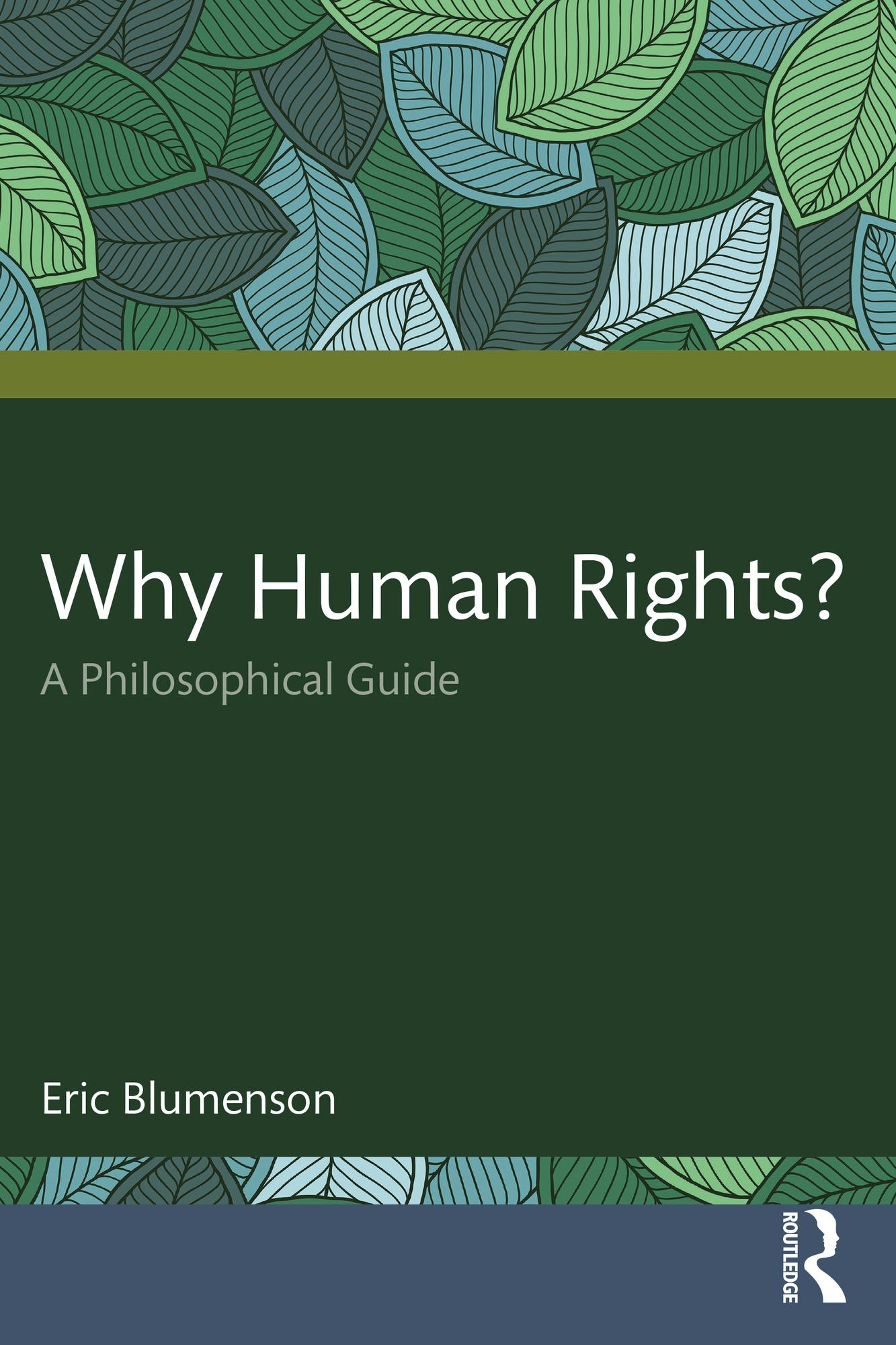
Why Human Rights addresses universal human rights as moral mandates – rights to justice that all persons have by virtue of their humanity alone. These are not the legal rights of statutes and treaties, but moral rights of the kind Gandhi, King, and Mandela invoked to oppose unjust laws. All such rights presuppose three claims: (1) that some duties of justice apply universally, (2) that all human beings have equal moral significance, and (3) that states must protect or serve certain individual interests regardless of the societal impact of doing so.
Can these three premises be justified? Is the human equality claim, for example, rationally supportable, or is it no less faith-based than hierarchical doctrines like caste? This book explores the case for these foundational claims along with other philosophical controversies pertaining to human rights. Because these issues lie at the heart of moral and political philosophy, readers will also obtain a broad appreciation of these disciplines and their leading theorists, including Mill, Kant, Rawls, Sandel, Nozick, Rorty, and many others. Written in concise, jargon-free language, this book presents a high-relief map of the philosophical issues surrounding human rights.
Betaal eenvoudig met kaart, Klarna, Apple Pay of Google Pay. Niet tevreden? Je hebt altijd 14 dagen bedenktijd. Lees meer in onze voorwaarden. Heb je vragen, mail ons dan via hello@memmo.org.
Memmo maakt studeren makkelijker – waar je ook bent ter wereld. Wij brengen je cursusboeken en slimme studietools samen op één plek: samenvattingen, quizzen, podcasts en flashcards. En Ted, je studievriend die antwoord geeft op alles wat je je afvraagt. Meer dan 50.000 studenten studeren hier al – gebouwd om je sneller te laten leren en minder stress te geven.