
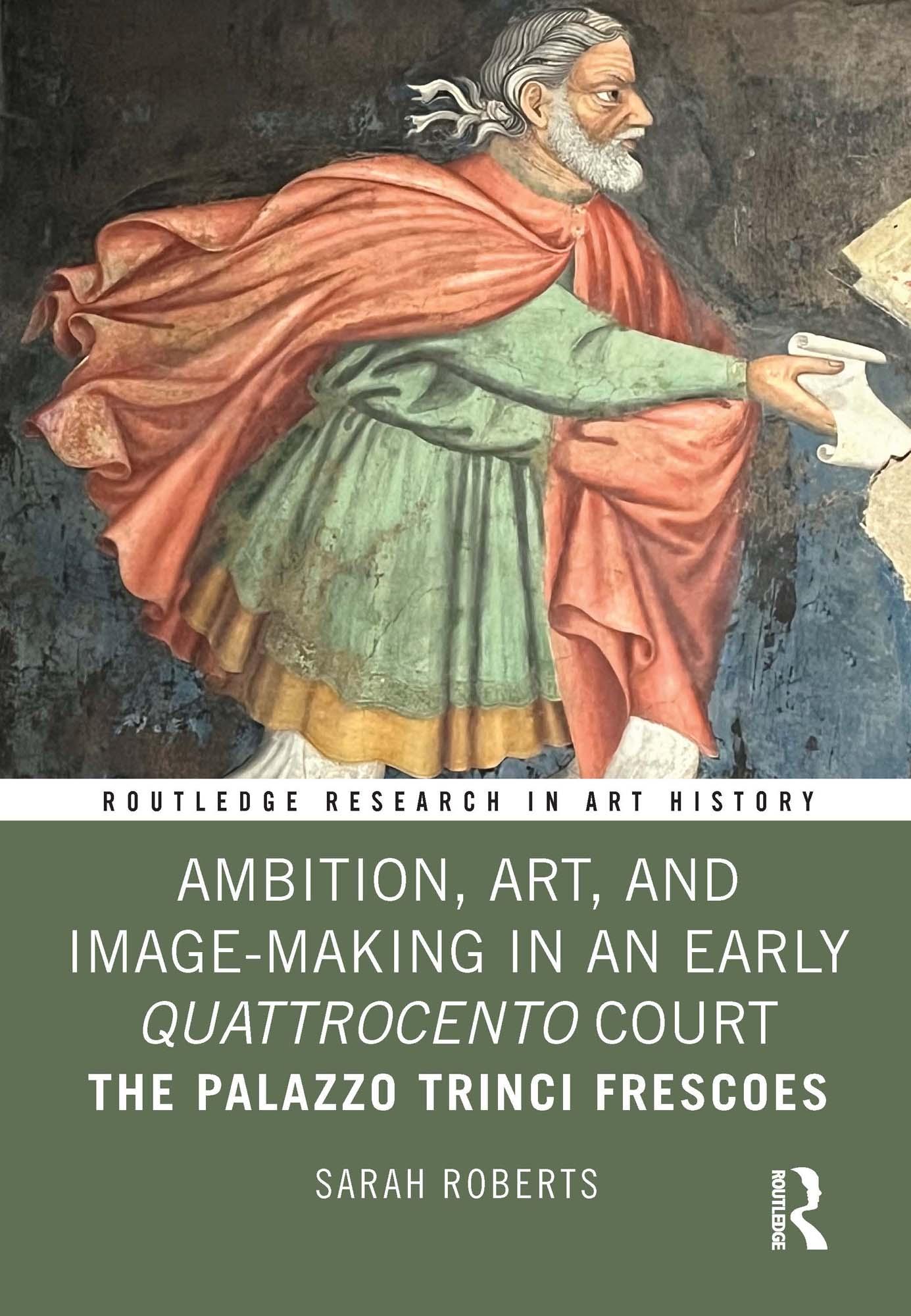
This study provides new interpretations of the little-known but fascinating Palazzo Trinci frescoes, relating them for the first time both to their physical context and to their social, political, and cultural environment.
Chapters show how a humanist agenda subverted the historical and mythical associations more frequently used to promote powerful families, to point the Trinci family in new directions. It also shows how the artists involved adapted established civic, religious, and chivalric imagery in support of these ideas. The book argues that the resulting decorations are highly unusual for the period, in their serious political and social purpose. Positioning the Trinci as bringers of peace, not war, the family is now associated with culture and education and presented as willing to encourage debate about the character of the virtuous ruler and the nature of good government.
The book will be of interest to scholars working in art history and Renaissance studies.
Betaal eenvoudig met kaart, Klarna, Apple Pay of Google Pay. Niet tevreden? Je hebt altijd 14 dagen bedenktijd. Lees meer in onze voorwaarden. Heb je vragen, mail ons dan via hello@memmo.org.
Memmo maakt studeren makkelijker – waar je ook bent ter wereld. Wij brengen je cursusboeken en slimme studietools samen op één plek: samenvattingen, quizzen, podcasts en flashcards. En Ted, je studievriend die antwoord geeft op alles wat je je afvraagt. Meer dan 50.000 studenten studeren hier al – gebouwd om je sneller te laten leren en minder stress te geven.