
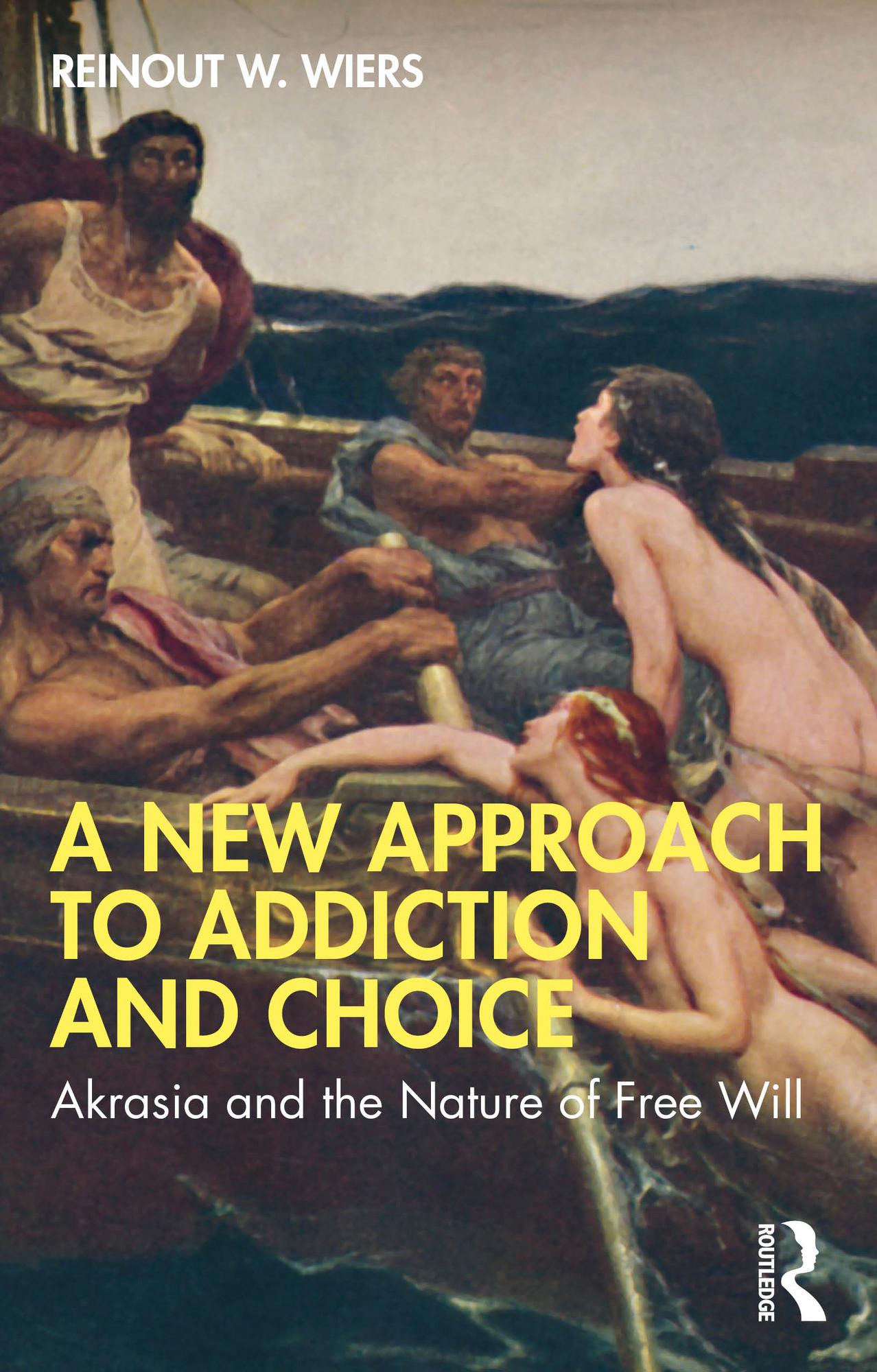
This engaging book provides a novel examination of the nature of addiction, suggesting that by exploring akrasia—the tendency to act against one’s better judgement—we can better understand our addictive behaviors. It offers an alternative to the dominant biomedical model of addiction as a chronic brain disease by looking at the nature of how we make decisions and proposing the idea that biased choice is central to addiction.
The book looks at both classic substance use disorders and newer “addictions” to smartphones, meat and fossil fuels. It discusses current perspectives on free will in philosophy, psychology and neuroscience, and the questions surrounding free will versus determinism, including our ability to steer our behaviors guided by the promise of future outcomes. Different perspectives on addiction and choice are presented in an eloquent style, and illustrated by personal stories. Through a lively discussion of the key scientific and philosophical issues surrounding addiction, this book is valuable for students in psychology, criminology, sociology and social work, as well as health care professionals and general readers interested in the nature of our free will.
Betaal eenvoudig met kaart, Klarna, Apple Pay of Google Pay. Niet tevreden? Je hebt altijd 14 dagen bedenktijd. Lees meer in onze voorwaarden. Heb je vragen, mail ons dan via hello@memmo.org.
Memmo maakt studeren makkelijker – waar je ook bent ter wereld. Wij brengen je cursusboeken en slimme studietools samen op één plek: samenvattingen, quizzen, podcasts en flashcards. En Ted, je studievriend die antwoord geeft op alles wat je je afvraagt. Meer dan 50.000 studenten studeren hier al – gebouwd om je sneller te laten leren en minder stress te geven.