
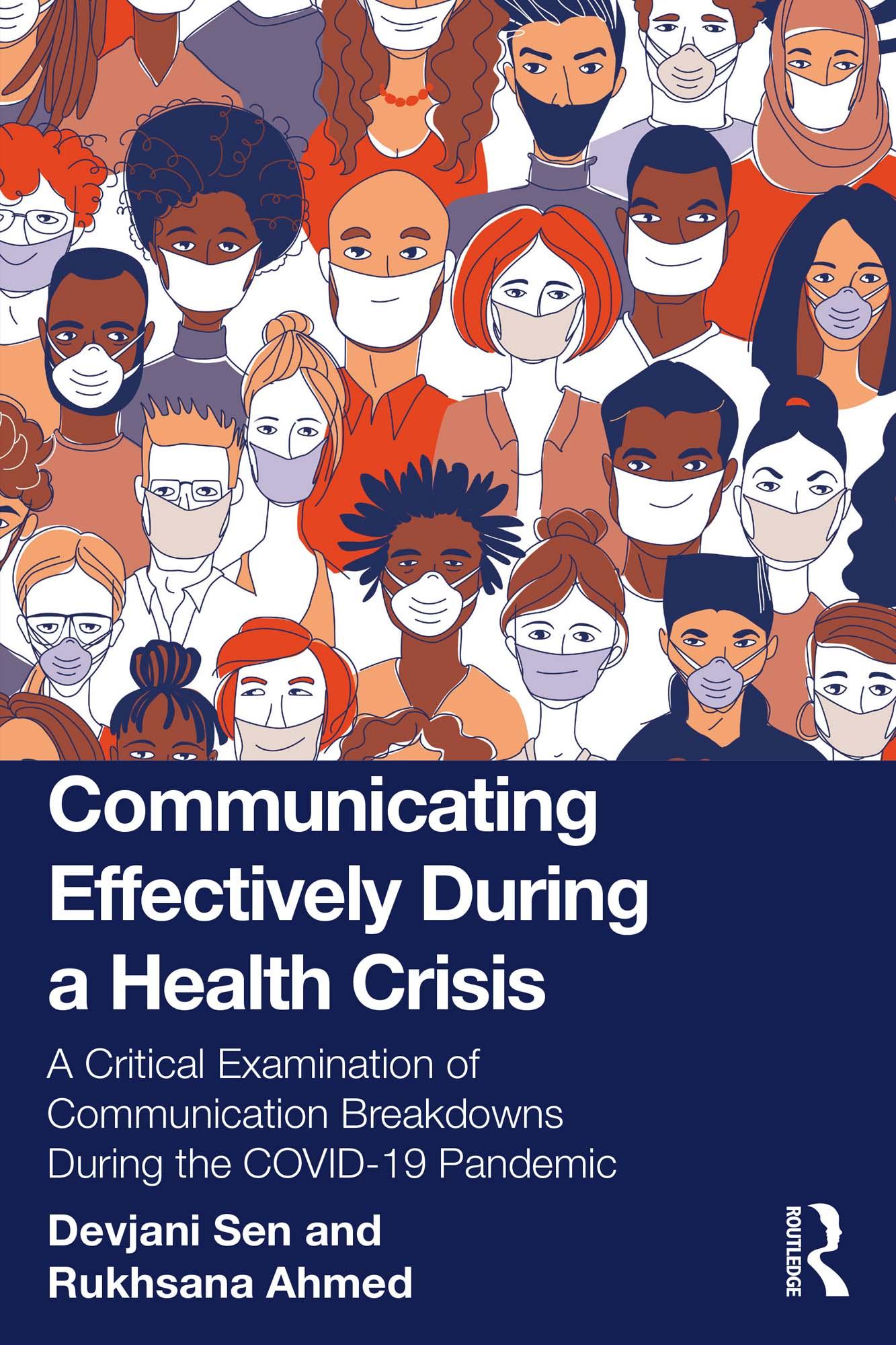
Exploring how and why communication breakdowns occur during pandemics and world disasters, this book offers solutions for improving communication and managing future public health crises.
A compilation of evidence-based lessons learned, this book shows how to effectively convey critical lifesaving information during a pandemic. It assesses how trust in leaders and governments during a public health crisis is formed and the impact this has on how information is perceived by the public. Using the COVID-19 pandemic as a case study, the book demonstrates how informative policy decisions and health risk messages can be better communicated for the handling of future pandemics. At a macro-level, the book looks at issues concerning situational awareness, how different countries managed or mismanaged the pandemic, and the lessons readers can learn from those occurrences. At a micro-level, it examines individual differences in public health message perceptions and corresponding actions taken or not taken.
An interdisciplinary critique of the delivery and reception of messages during global disasters, this text is suitable for undergraduate and graduate courses in Communication Studies, Health Communication, Risk Communication and Public Health, Psychology, Sociology, and Disaster Management.
Betaal eenvoudig met kaart, Klarna, Apple Pay of Google Pay. Niet tevreden? Je hebt altijd 14 dagen bedenktijd. Lees meer in onze voorwaarden. Heb je vragen, mail ons dan via hello@memmo.org.
Memmo maakt studeren makkelijker – waar je ook bent ter wereld. Wij brengen je cursusboeken en slimme studietools samen op één plek: samenvattingen, quizzen, podcasts en flashcards. En Ted, je studievriend die antwoord geeft op alles wat je je afvraagt. Meer dan 50.000 studenten studeren hier al – gebouwd om je sneller te laten leren en minder stress te geven.