
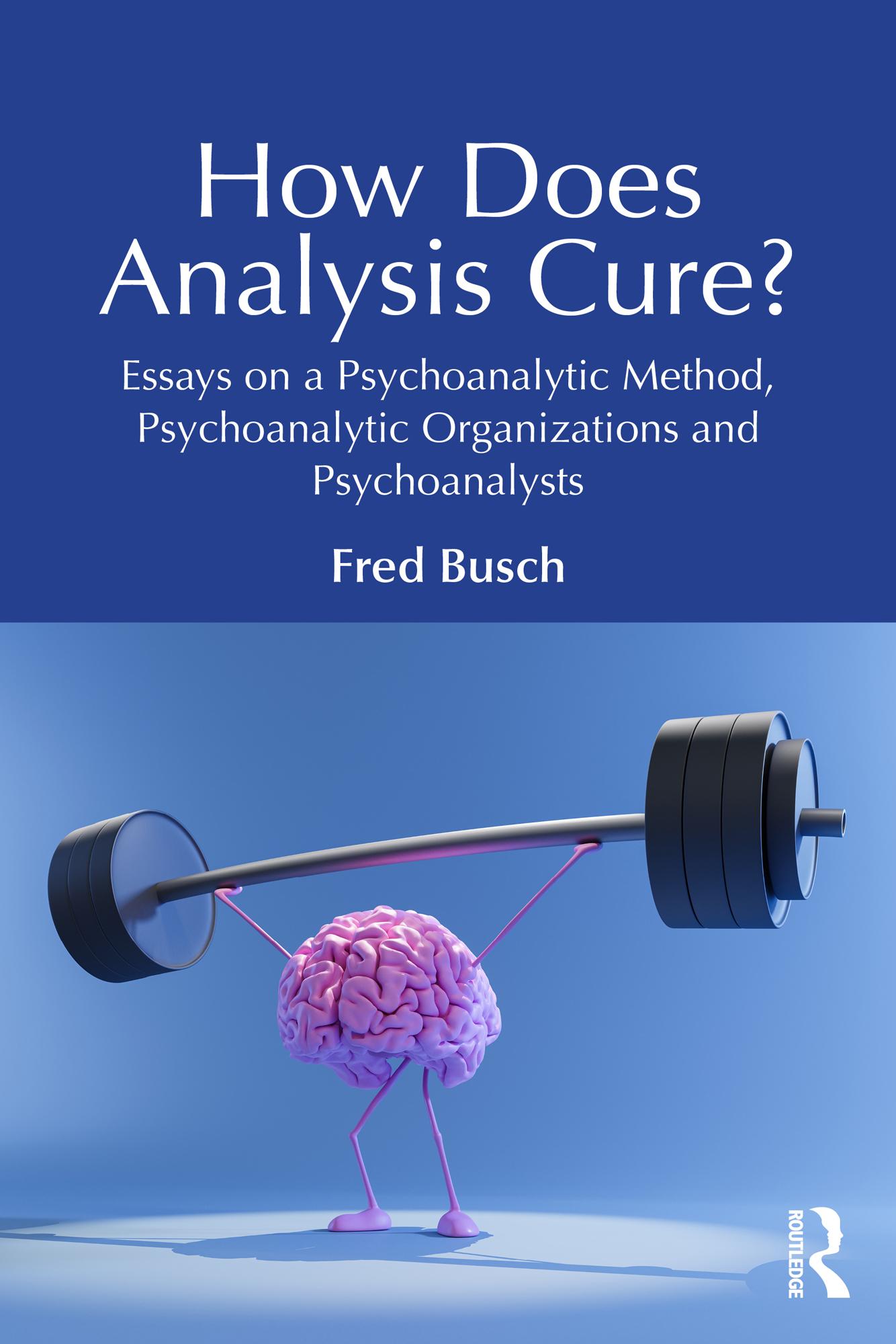
Building upon 50 years of clinical experience, Fred Busch addresses a central question facing all psychoanalysts: What is essential to a psychoanalytic curative process, and what are the methods of working that can bring this about?
This book investigates the analytic relationship as a process of giving patients the freedom to think the unthinkable (to build representations) and change repeated patterns of action into the possibility of reflection. This entails careful examination of central psychoanalytic concepts such as transference, resistances, and the ethics of countertransference as a guide to a patient’s unconscious, in addition to newer ideas, such as the notion of the analyst as a memory keeper of patients’ lost objects. In its final part, the book presents observations on how analysts function as part of analytic organizations, and the various roles they take on to develop an “analytic identity”.
Continuing decades of significant theoretical work on clinical concepts, this book offers a unique perspective on how psychoanalysts and psychotherapists can work effectively to achieve the best possible outcomes for their patients.
Betaal eenvoudig met kaart, Klarna, Apple Pay of Google Pay. Niet tevreden? Je hebt altijd 14 dagen bedenktijd. Lees meer in onze voorwaarden. Heb je vragen, mail ons dan via hello@memmo.org.
Memmo maakt studeren makkelijker – waar je ook bent ter wereld. Wij brengen je cursusboeken en slimme studietools samen op één plek: samenvattingen, quizzen, podcasts en flashcards. En Ted, je studievriend die antwoord geeft op alles wat je je afvraagt. Meer dan 50.000 studenten studeren hier al – gebouwd om je sneller te laten leren en minder stress te geven.