
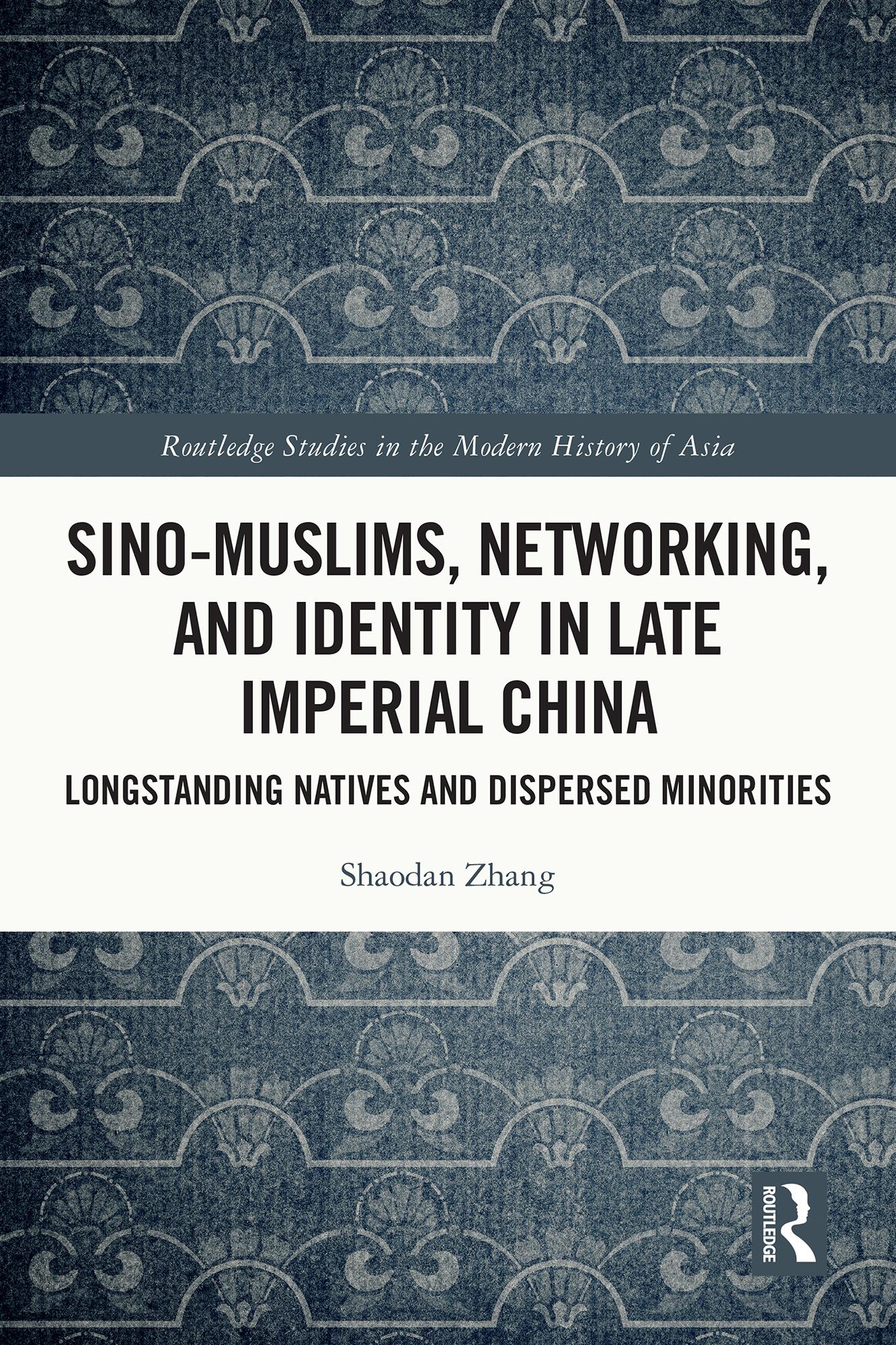
This book explores the everyday life of Muslims in late imperial China proper (“Sino-Muslims”), revealing how they integrated themselves into Chinese society, while also maintaining distinct Islamic features.
Deeming “identity” as practical, interactive, and processual, it focuses on Sino-Muslims’ daily networking practices which embodied their numerous processes of identification with people around them. Through an evaluation of such practices, it displays how, since the early seventeenth century, Sino-Muslims vigorously formed and participated in popular religious and secular networks at local, translocal, and China-wide scales, including mosques, merchant associations, gentry groups, Islamic educational and publishing networks. It demonstrates how such networks facilitated Sino-Muslims to become more aligned with the tempo of change in Chinese society and imperial governance, and created for them more ingenious venues and means to identify with Islam. Ultimately it reveals how, by the first half of the nineteenth century, a sense of collectivity—with common knowledge, memory, and discourse—was generated among dispersed Sino-Muslims.
Utilizing Sino-Muslims’ own records such as steles, genealogies, and Chinese Islamic texts, this book will be of interest to scholars and students of comparative Muslim studies, Qing and early modern China, religious and ethnic identity, and professionals of Sino-Arab relations.
Betaal eenvoudig met kaart, Klarna, Apple Pay of Google Pay. Niet tevreden? Je hebt altijd 14 dagen bedenktijd. Lees meer in onze voorwaarden. Heb je vragen, mail ons dan via hello@memmo.org.
Memmo maakt studeren makkelijker – waar je ook bent ter wereld. Wij brengen je cursusboeken en slimme studietools samen op één plek: samenvattingen, quizzen, podcasts en flashcards. En Ted, je studievriend die antwoord geeft op alles wat je je afvraagt. Meer dan 50.000 studenten studeren hier al – gebouwd om je sneller te laten leren en minder stress te geven.