
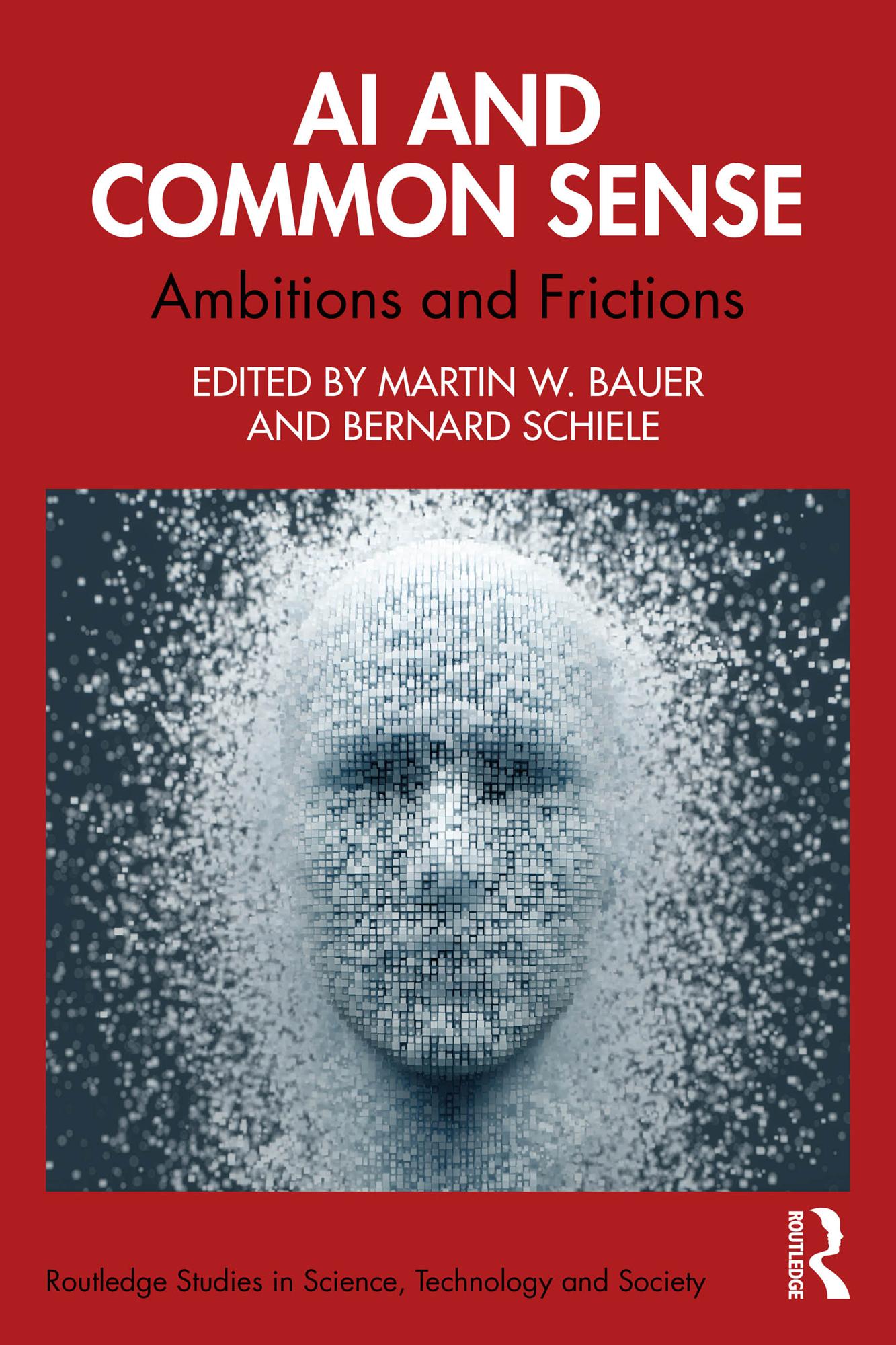
Common sense is the endless frontier in the development of artificial intelligence, but what exactly is common sense, can we replicate it in algorithmic form, and if we can – should we?
Bauer, Schiele and their contributors from a range of disciplines analyse the nature of common sense, and the consequent challenges of incorporating into artificial intelligence models. They look at different ways we might understand common sense and which of these ways are simulated within computer algorithms. These include sensory integration, self-evident truths, rhetorical common places, and mutuality and intentionality of actors within a moral community. How far are these possible features within and of machines? Approaching from a range of perspectives including Sociology, Political Science, Media and Culture, Psychology and Computer Science, the contributors lay out key questions, practical challenges and "common sense" concerns underlying the incorporation of common sense within machine learning algorithms for simulating intelligence, socialising robots, self-driving vehicles, personnel selection, reading, automatic text analysis, and text production.
A valuable resource for students and scholars of Science–Technology–Society Studies, Sociologists, Psychologists, Media and Culture Studies, human–computer interaction with an interest in the post-human, and programmers tackling the contextual questions of machine learning.
Betaal eenvoudig met kaart, Klarna, Apple Pay of Google Pay. Niet tevreden? Je hebt altijd 14 dagen bedenktijd. Lees meer in onze voorwaarden. Heb je vragen, mail ons dan via hello@memmo.org.
Memmo maakt studeren makkelijker – waar je ook bent ter wereld. Wij brengen je cursusboeken en slimme studietools samen op één plek: samenvattingen, quizzen, podcasts en flashcards. En Ted, je studievriend die antwoord geeft op alles wat je je afvraagt. Meer dan 50.000 studenten studeren hier al – gebouwd om je sneller te laten leren en minder stress te geven.