
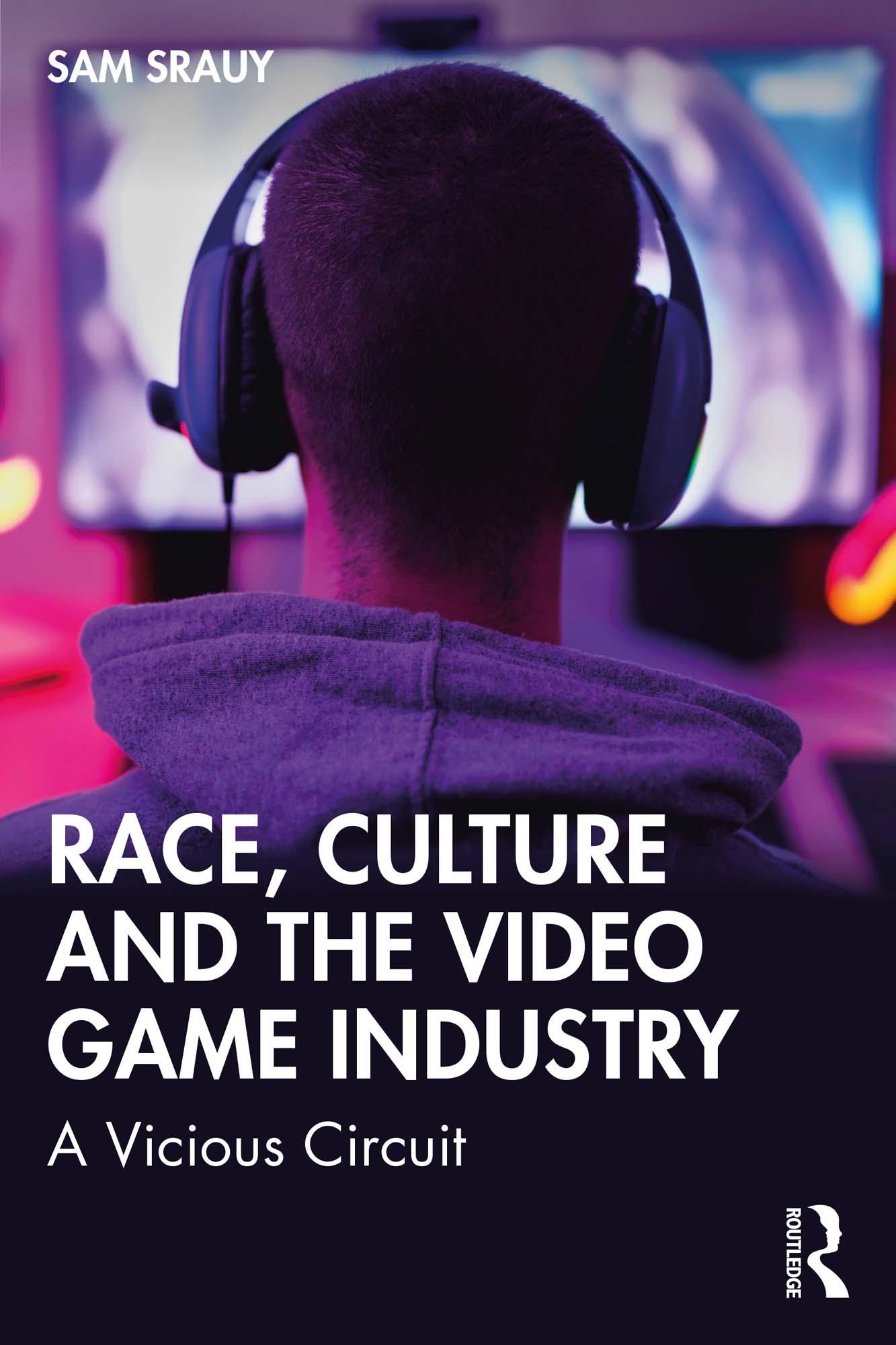
A detailed and much needed examination of how systemic racism in the US shaped the culture, market logic, and production practices of video game developers from the 1970s until the 2010s.
Offering historical analysis of the video game industries (console, PC, and indie) from a critical, political economic lens, this book specifically examines the history of how such practices created, enabled, and maintained racism through the imagined ‘gamer.’ The book explores how the cultural and economic landscape of the United States developed from the 1970s through the 2000s and explains how racist attitudes are reflected and maintained in the practices of video games production. These practices constitute a 'Vicious Circuit' that normalizes racism and the centrality of an imagined gamer identity. It also explores how the industry, from indie game developers to larger profit-driven companies, responded to changing attitudes in the 2010s, where racism and lack of diversity in games was frequently being noted. The book concludes by offering potential solutions to combat this ‘Vicious Circuit’.
A vital contribution to the study of video games that will be welcomed by students and scholars in the fields of media studies, cultural studies, game studies, critical race studies, and beyond.
Betaal eenvoudig met kaart, Klarna, Apple Pay of Google Pay. Niet tevreden? Je hebt altijd 14 dagen bedenktijd. Lees meer in onze voorwaarden. Heb je vragen, mail ons dan via hello@memmo.org.
Memmo maakt studeren makkelijker – waar je ook bent ter wereld. Wij brengen je cursusboeken en slimme studietools samen op één plek: samenvattingen, quizzen, podcasts en flashcards. En Ted, je studievriend die antwoord geeft op alles wat je je afvraagt. Meer dan 50.000 studenten studeren hier al – gebouwd om je sneller te laten leren en minder stress te geven.